
INTERMITTENT FASTING FORMULA
The intermittent fasting formula isn’t just another diet trend – it’s a science-backed approach that can transform your relationship with food and boost your health. This guide is designed for beginners ready to start their fasting journey, busy professionals seeking a flexible eating plan, and anyone who’s hit a fasting plateau and needs fresh strategies.
Getting started with intermittent fasting doesn’t have to feel overwhelming. We’ll break down the most popular intermittent fasting methods so you can find one that actually fits your daily routine. You’ll also discover how to optimize your eating windows to maximize results, plus proven techniques for managing hunger and pushing through those stubborn plateaus that can derail your progress.
By the end of this guide, you’ll have everything you need to create your own personalized fasting plan and track your results like a pro.
Understanding the Science Behind Intermittent Fasting

How Intermittent Fasting Triggers Fat Burning Mechanisms
Your body operates like a sophisticated fuel-switching engine, and intermittent fasting acts as the key that unlocks its fat-burning potential. When you extend the time between meals, your body depletes its readily available glucose stores within 12-16 hours. This depletion signals a metabolic shift from glucose-dependent energy production to fat oxidation.
During fasted states, your liver converts stored fat into ketones – an alternative fuel source that your brain and muscles can use efficiently. This process, called ketosis, transforms your body from a sugar-burning machine into a fat-burning powerhouse. The longer you maintain your fasting window, the deeper you enter this metabolic state.
Your hormonal landscape changes dramatically during fasting periods. Growth hormone levels can increase by up to 5 times their normal levels, preserving muscle mass while accelerating fat breakdown. Norepinephrine, your body’s natural fat-burning hormone, rises significantly, mobilizing fatty acids from your fat stores and making them available for energy.
The Role of Insulin Sensitivity in Weight Management
Insulin sensitivity plays a crucial role in how effectively your body manages weight and energy storage. When you eat frequently throughout the day, your insulin levels remain consistently elevated, creating an environment that favors fat storage over fat burning. Intermittent fasting breaks this cycle by creating extended periods of low insulin levels.
During fasting windows, your insulin sensitivity improves dramatically. This means your cells become more responsive to smaller amounts of insulin, allowing for better blood sugar control and reduced fat storage. Enhanced insulin sensitivity also means your body can more effectively shuttle nutrients into muscle cells rather than storing them as fat when you do eat.
Research shows that people practicing intermittent fasting methods experience significant improvements in insulin sensitivity within just a few weeks. This improvement creates a positive feedback loop where better insulin function leads to easier weight management, which further enhances insulin sensitivity.
Cellular Repair and Autophagy Benefits
Autophagy represents one of the most fascinating aspects of intermittent fasting science. This cellular housekeeping process literally means “self-eating,” where your cells break down and recycle damaged proteins, organelles, and other cellular components. Think of it as your body’s internal cleaning crew working overtime during fasting periods.
When nutrient availability decreases during fasting, your cells activate autophagy to maintain optimal function. This process removes cellular debris that accumulates over time, including misfolded proteins linked to neurodegenerative diseases and damaged mitochondria that contribute to aging.
The autophagy process becomes particularly active after 16-24 hours of fasting, which explains why many intermittent fasting benefits become more pronounced with longer fasting windows. Your cells essentially perform a deep clean, removing accumulated waste and optimizing their internal machinery for better performance.
Metabolic Flexibility and Energy Optimization
Metabolic flexibility refers to your body’s ability to switch efficiently between different fuel sources – glucose from carbohydrates and ketones from fat. Most people today suffer from metabolic inflexibility due to constant eating and high-carbohydrate diets, leaving them dependent on frequent meals to maintain energy levels.
Intermittent fasting retrains your metabolic machinery to become fuel-flexible again. During eating windows, your body efficiently uses glucose for immediate energy needs. During fasting periods, it seamlessly transitions to burning stored fat. This flexibility eliminates energy crashes and reduces cravings that plague metabolically inflexible individuals.
Your mitochondria – the powerhouses of your cells – also become more efficient during fasting periods. They produce more energy while generating fewer harmful free radicals, creating a cleaner, more sustainable energy production system throughout your body.
Fasting & Reverse Aging
The relationship between intermittent fasting and aging reversal centers on several key biological mechanisms. Fasting activates sirtuins, often called “longevity genes,” which play crucial roles in DNA repair, inflammation reduction, and stress resistance. These proteins help maintain cellular integrity and slow the aging process at the molecular level.
Oxidative stress, a major contributor to aging, decreases significantly during fasting periods. Your cells produce fewer harmful free radicals while simultaneously increasing their antioxidant defenses. This creates an environment where cellular damage accumulates more slowly, effectively slowing the aging clock.
Fasting also stimulates the production of brain-derived neurotrophic factor (BDNF), which promotes the growth of new brain cells and protects existing neurons. This neuroplasticity enhancement can improve cognitive function and potentially reverse age-related mental decline.
Fasting & Longevity
Scientific research consistently links intermittent fasting to increased lifespan across multiple species. The mechanisms behind this longevity extension involve several interconnected pathways that optimize cellular function and stress resistance.
Caloric restriction mimetics activated during fasting trigger genetic pathways associated with longevity. These pathways reduce inflammation, improve stress resistance, and enhance cellular repair mechanisms. Your body essentially shifts from growth-focused mode to maintenance and repair mode, prioritizing long-term survival over short-term expansion.
The hormetic stress of fasting – a beneficial stress that strengthens your body’s resilience – activates protective mechanisms that extend healthspan alongside lifespan. Your cells become more resistant to various stressors, including oxidative damage, inflammation, and metabolic dysfunction, creating a robust foundation for healthy aging.
Human studies show that people practicing intermittent fasting methods often exhibit biomarkers associated with increased longevity, including improved lipid profiles, reduced inflammatory markers, and enhanced stress resistance. These measurable improvements suggest that the longevity benefits observed in animal studies likely translate to human populations as well.
Choosing the Right Intermittent Fasting Method for Your Lifestyle

16:8 Method for Beginners and Busy Professionals
The 16:8 intermittent fasting method stands as the most popular entry point for newcomers to the fasting world. This approach involves fasting for 16 hours and eating within an 8-hour window daily. Most people find success eating between 12 PM and 8 PM, which naturally eliminates breakfast and late-night snacking.
This method works exceptionally well for busy professionals because it aligns with typical work schedules. You can skip the morning meal prep rush, grab coffee instead, and focus on work until lunch. The flexibility makes it sustainable long-term – if you have an early morning meeting with breakfast, you can simply adjust your eating window to 10 AM-6 PM that day.
Benefits for beginners:
Easiest transition from normal eating patterns
No calorie counting required during eating windows
Maintains social dinner plans
Reduces decision fatigue around meal timing
Practical implementation tips:
Start with a 12-hour fast and gradually extend to 16 hours
Black coffee, tea, and water are allowed during fasting periods
Focus on nutrient-dense foods during your eating window
Plan your largest meal when you break your fast
5:2 Approach for Gradual Weight Loss
The 5:2 intermittent fasting approach offers a gentler introduction to fasting for those who prefer eating normally most days. You eat regularly five days per week and restrict calories to 500-600 on two non-consecutive days. This method appeals to people who want intermittent fasting benefits without daily restrictions.
Choose your fasting days strategically based on your schedule. Many find success with Monday and Thursday, creating natural spacing while avoiding weekend social events. On fasting days, focus on high-protein, low-calorie foods that keep you satisfied longer.
Sample 500-calorie fasting day:
Breakfast: Greek yogurt with berries (150 calories)
Lunch: Large salad with grilled chicken (200 calories)
Dinner: Steamed vegetables with lean fish (150 calories)
This approach works well for gradual weight loss because it creates a weekly calorie deficit while maintaining metabolic flexibility. Research shows the 5:2 method can lead to 3-8% weight loss over 8-24 weeks, with additional benefits for blood sugar control and cardiovascular health.
The psychological advantage lies in knowing that tomorrow you can return to normal eating. This prevents the feeling of deprivation that often derails other dieting approaches.
Extended Fasting Protocols for Advanced Practitioners
Extended fasting protocols involve fasting periods of 24 hours or longer and should only be attempted by experienced practitioners who have successfully mastered shorter fasting methods. These advanced approaches include alternate day fasting (ADF), 24-hour fasts, and multi-day fasting periods.
Alternate Day Fasting (ADF) alternates between normal eating days and complete fasting days or very low-calorie days (under 500 calories). This aggressive approach can accelerate fat loss but requires strong mental discipline and medical supervision for some individuals.
24-hour fasts (eat-stop-eat) involve fasting from dinner one day to dinner the next day, typically done 1-2 times per week. This method provides deeper ketosis benefits and enhanced autophagy compared to daily time-restricted eating.
Multi-day fasting (48-72+ hours) should only be attempted under medical guidance. These extended periods trigger profound metabolic changes, including significant autophagy activation and stem cell regeneration.
Safety considerations for extended fasting:
Gradual progression from shorter methods
Medical consultation for underlying conditions
Proper electrolyte management during longer fasts
Breaking fasts carefully with easily digestible foods
Monitoring for signs of excessive fatigue or complications
Advanced practitioners often cycle between different methods based on their goals, alternating between maintenance periods with 16:8 and intensive phases with longer fasts for accelerated results.
Creating Your Personalized Fasting Schedule

Identifying Your Natural Eating Patterns and Preferences
Your body already has a rhythm – you just need to tune into it. Pay attention to when you naturally feel hungry and when you feel most satisfied. Some people wake up ravenous, while others can’t stomach breakfast until mid-morning. Track your energy levels throughout the day for a week without making any changes to your current eating habits.
Notice when you experience natural dips in appetite. Many people find they’re less hungry between 10 PM and 6 AM anyway, making this an ideal fasting window. Others discover they’re most productive in the morning when fasting and prefer to delay their first meal until lunch.
Consider your food preferences too. If you love big dinners with family, a method that restricts evening eating might feel torturous. Match your intermittent fasting approach to what feels sustainable rather than fighting against your natural tendencies.
Aligning Fasting Windows with Work and Social Commitments
Your fasting schedule needs to work with your real life, not against it. If you have morning meetings over coffee, choose a method that allows for black coffee during your fasting window. Business lunches become easier when you fast from dinner to lunch the next day.
Think about your social calendar. Weekend brunches with friends or family dinners shouldn’t become sources of stress. Many successful intermittent fasters adjust their eating windows on weekends or special occasions.
Work schedules matter too. Night shift workers might find it easier to eat during their work hours and fast while sleeping during the day. Remote workers often have more flexibility than office workers who need to navigate workplace food culture.
| Schedule Type | Best Fasting Method | Eating Window |
|---|---|---|
| Standard 9-5 | 16:8 | 12 PM – 8 PM |
| Night Shift | 20:4 | During work hours |
| Flexible Remote | 14:10 | Based on preference |
Adjusting Timing Based on Exercise and Sleep Cycles
Your workout schedule plays a huge role in timing your personalized fasting plan. Morning exercisers often perform better in a fasted state, especially for cardio. Strength training might require fuel either before or after, depending on intensity.
Post-workout nutrition becomes crucial. If you lift weights at 6 AM, breaking your fast immediately after makes sense for muscle recovery. Evening exercisers might prefer eating before their workout and extending their fast overnight.
Sleep quality affects everything. Eating too close to bedtime disrupts sleep for many people. Try to finish your last meal at least 2-3 hours before bed. Your body repairs itself during sleep, and fasting enhances this natural process.
Watch how different eating windows affect your sleep. Some people sleep better with a longer fast, while others need a small evening snack to avoid waking up hungry at 3 AM.
Building Flexibility for Special Occasions and Travel
Rigid rules lead to failure. Build wiggle room into your intermittent fasting routine from the start. Special occasions – birthdays, holidays, celebrations – shouldn’t become sources of guilt or stress.
Travel throws off everyone’s schedule. Time zone changes, limited food options, and social eating all challenge your normal routine. Plan ahead when possible, but don’t stress if you need to adjust.
Create a “special occasion” protocol. Maybe you maintain your fasting schedule 80% of the time and allow flexibility for the other 20%. This prevents the all-or-nothing mentality that derails so many people.
Seasonal adjustments make sense too. Your appetite and schedule might change between summer and winter. Listen to your body and adjust accordingly. The best fasting schedule is one you can maintain long-term, not just for a few weeks.
Maximizing Results During Your Eating Windows
Nutrient-Dense Foods That Enhance Fasting Benefits
Your eating window optimization becomes the cornerstone of successful intermittent fasting results. The foods you choose during your fed state can either amplify or undermine the metabolic benefits you’ve worked hard to achieve during your fasting periods.
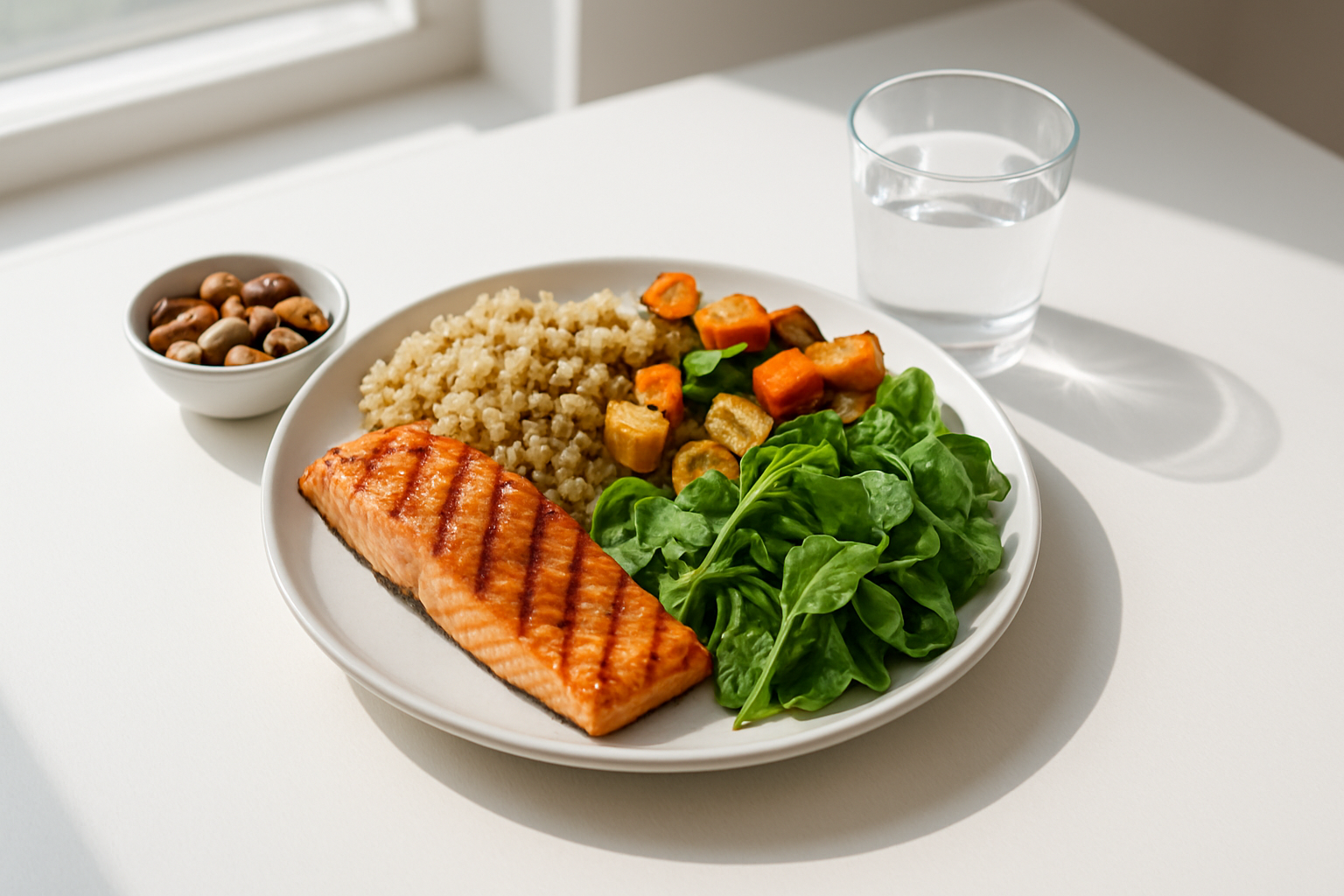
Protein-rich foods should dominate your first meal, helping preserve lean muscle mass while your body continues burning fat. Wild-caught salmon, grass-fed beef, free-range eggs, and Greek yogurt provide complete amino acid profiles that support muscle recovery and boost metabolism. Aim for 25-30 grams of protein per meal to maximize satiety and muscle protein synthesis.
Healthy fats play a crucial role in hormone production and nutrient absorption. Avocados, olive oil, nuts, and seeds provide sustained energy without causing dramatic blood sugar spikes. These fats help you feel satisfied longer, making your next fasting period more manageable.
Fiber-rich vegetables and low-glycemic fruits should fill at least half your plate. Leafy greens, broccoli, cauliflower, and berries provide essential micronutrients while supporting digestive health. The fiber content helps stabilize blood sugar levels and promotes feelings of fullness.
Avoid processed foods, refined sugars, and empty calories that can trigger inflammation and cravings. These foods can counteract the cellular repair processes activated during fasting and make your intermittent fasting methods less effective.
Portion Control Strategies for Sustained Weight Loss
Mastering portion control within your eating window prevents overeating that could negate your fasting efforts. Start by using smaller plates and bowls to create visual satisfaction with appropriate serving sizes.
The plate method works exceptionally well for beginners: fill half your plate with non-starchy vegetables, one quarter with lean protein, and one quarter with complex carbohydrates. This simple visual guide ensures balanced nutrition while controlling portions naturally.
Practice mindful eating by eliminating distractions during meals. Put away your phone, turn off the TV, and focus on your food’s taste, texture, and aroma. This awareness helps you recognize hunger and fullness cues more accurately.
Eat slowly and chew thoroughly. Your brain needs about 20 minutes to register fullness signals from your stomach. By slowing down, you’re less likely to overeat and more likely to feel satisfied with smaller portions.
Pre-portioning snacks and preparing meals in advance removes the guesswork from portion control. When hunger strikes during your eating window, you’ll have appropriately sized options ready to go.
Meal Timing for Optimal Energy and Recovery
Strategic meal timing within your eating window can dramatically impact your energy levels, workout performance, and recovery. Your first meal after fasting should be substantial but not overwhelming, breaking your fast gently while providing essential nutrients.
Schedule your largest meal 2-3 hours before your fasting window begins. This timing allows proper digestion while preventing late-night eating that could disrupt sleep quality. Poor sleep undermines the hormonal benefits of your intermittent fasting schedule.
If you exercise during your eating window, time your protein intake within 30 minutes post-workout. This timing maximizes muscle protein synthesis and supports recovery. For morning workouts followed by eating, this strategy works perfectly with most intermittent fasting methods.
Space your meals evenly throughout your eating window to maintain steady energy levels. Rather than cramming all your calories into one or two massive meals, distribute them across 2-3 balanced meals. This approach prevents energy crashes and supports better digestion.
Consider your natural energy patterns when planning meal timing. Some people feel more energetic with larger morning meals, while others prefer substantial evening meals. Align your eating schedule with your body’s natural rhythms for better adherence and results.
Hydration and Electrolyte Balance During Fed States
Proper hydration during your eating window supports digestion, nutrient absorption, and overall well-being. Many people focus on hydration during fasting but neglect it during fed states, missing opportunities to optimize their results.
Drink water before, during, and after meals, but avoid excessive amounts that could dilute digestive enzymes. Sip water throughout your eating window rather than chugging large quantities at once.
Electrolyte balance becomes especially important as your body adapts to your fasting schedule. Include natural sources of sodium, potassium, and magnesium in your meals. Sea salt, leafy greens, avocados, and nuts provide these essential minerals without artificial additives.
Monitor your urine color as a hydration indicator. Pale yellow suggests adequate hydration, while dark yellow indicates you need more fluids. During your eating window, you can include hydrating foods like cucumbers, watermelon, and soups to boost fluid intake naturally.
Consider electrolyte supplementation if you experience fatigue, headaches, or muscle cramps during your intermittent fasting journey. Look for supplements without artificial sweeteners or additives that could break your fast or cause digestive issues.
Herbal teas during your eating window can provide additional hydration while offering beneficial compounds. Green tea supports metabolism, while chamomile can aid digestion and relaxation. These beverages count toward your daily fluid intake while providing extra health benefits.
Managing Hunger and Breaking Through Plateaus

Natural Appetite Suppressants and Hunger-Fighting Techniques
Hunger pangs during your fasting window can feel overwhelming, but several natural strategies can help you power through. Green tea stands as one of the most effective appetite suppressants, thanks to compounds like EGCG that help regulate hunger hormones. Drink it black during your fast to avoid breaking your eating window.
Staying hydrated remains your strongest weapon against false hunger signals. Often, your brain confuses dehydration with hunger. Aim for at least 8-10 glasses of water daily, and add a pinch of sea salt if you’re feeling lightheaded.
Black coffee offers another powerful tool for managing appetite. The caffeine boosts focus while suppressing hunger, making those final hours of your fasting schedule more manageable. Just skip the cream and sugar.
Electrolyte balance plays a crucial role in hunger management. Low sodium, potassium, or magnesium levels can trigger cravings that feel like hunger. Consider adding electrolyte supplements to your fasting routine, especially if you’re doing longer intermittent fasting methods.
Keep your hands and mind busy during challenging moments. Light exercise, reading, or engaging hobbies can redirect your attention away from food thoughts. Many intermittent fasting beginners find that hunger comes in waves – ride them out, and they typically pass within 20-30 minutes.
Distinguishing Between True Hunger and Emotional Eating
Learning to recognize genuine hunger versus emotional triggers can transform your intermittent fasting results. True hunger develops gradually and feels like a gentle pull in your stomach, not an urgent craving for specific comfort foods.
Emotional eating often strikes suddenly and targets specific items – usually sugary or high-fat foods. You might find yourself wanting ice cream after a stressful day or reaching for chips when bored. Physical hunger, on the other hand, makes almost any nutritious food sound appealing.
Before eating during your eating window, pause and ask yourself: “Am I physically hungry, or am I trying to solve another problem?” Stress, boredom, loneliness, and fatigue often masquerade as hunger signals.
Create a hunger scale from 1-10, where 1 is ravenous and 10 is uncomfortably full. Aim to eat when you’re at a 3-4 and stop at a 7-8. This awareness helps you optimize your eating window and prevents overeating that can sabotage your intermittent fasting benefits.
Track your emotional state when hunger hits. Keep a simple log noting your stress level, mood, and sleep quality alongside hunger patterns. You’ll start seeing connections between emotions and eating urges.
Strategic Refeed Days to Boost Metabolism
Plateaus happen to everyone following intermittent fasting methods, and strategic refeed days can kickstart your metabolism when progress stalls. A refeed day involves temporarily increasing your calorie intake, particularly from carbohydrates, to reset hormonal signals.
Plan refeed days every 2-3 weeks if you’ve been in a caloric deficit for extended periods. This approach prevents your metabolism from adapting too much to reduced calories and helps maintain leptin levels – the hormone that signals fullness and regulates metabolism.
During refeed days, increase your calories by 200-500 above maintenance levels, focusing on healthy carbohydrates like sweet potatoes, oats, and fruits. Avoid making it a complete free-for-all with processed foods, which can undo weeks of progress.
Time your refeed days strategically around intense workout sessions when your body can best utilize the extra carbohydrates. This maximizes the metabolic benefits while minimizing fat storage.
Monitor how your body responds to refeed days. Some people see immediate weight fluctuations due to water retention, which is normal. The real benefits show up in the following weeks through improved energy levels and renewed fat loss.
Advanced Techniques for Overcoming Weight Loss Stalls
Weight loss plateaus during intermittent fasting can feel frustrating, but several advanced strategies can break through these stalls. First, consider cycling between different fasting protocols. If you’ve been doing 16:8 for months, try alternating with 18:6 or even 20:4 a few days per week.
Vary your eating window timing throughout the week. Your body adapts to routine, so switching between morning and evening eating windows can provide the metabolic shake-up needed for continued progress.
Examine your food choices during eating windows. Even within your designated hours, food quality matters enormously for sustained intermittent fasting benefits. Prioritize protein at each meal to maintain muscle mass and boost metabolism.
Consider incorporating periodic extended fasts of 24-36 hours once or twice monthly, but only after mastering shorter intermittent fasting methods. These longer fasts can reset insulin sensitivity and break through stubborn plateaus.
Track measurements beyond the scale. Take body measurements, progress photos, and note changes in energy levels and sleep quality. The scale might not move while your body composition improves dramatically.
Stress management becomes critical during plateaus. Elevated cortisol from chronic stress can halt fat loss despite perfect adherence to your personalized fasting plan. Prioritize sleep, meditation, and stress-reduction techniques as part of your overall strategy.
Tracking Progress and Long-Term Success Strategies
Key Metrics Beyond the Scale for Measuring Results
Your weight might stay the same for weeks, but that doesn’t mean your intermittent fasting results tracking isn’t working. Smart tracking goes way beyond that number staring back at you from the scale.
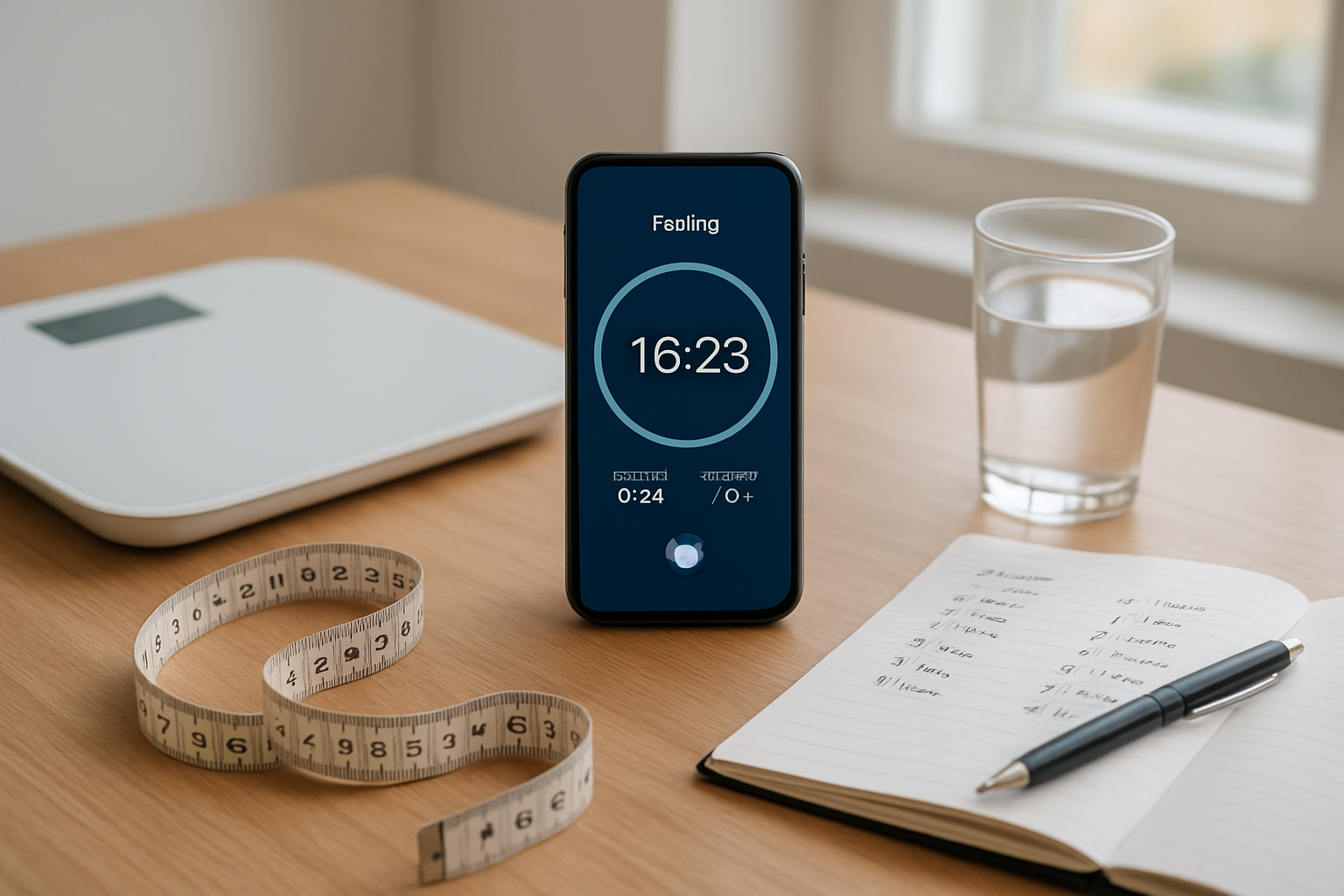
Body measurements tell a much better story. Grab a measuring tape and track your waist, hips, chest, and arms monthly. You’ll often see inches disappearing even when weight plateaus – a clear sign that you’re losing fat while maintaining or building muscle.
Energy levels deserve daily attention. Rate your energy on a 1-10 scale each morning and evening. Most people notice dramatic improvements in sustained energy after their first few weeks of consistent fasting.
Sleep quality changes dramatically with intermittent fasting. Track how quickly you fall asleep, how many times you wake up, and how rested you feel in the morning. Many fasters report deeper, more restorative sleep within the first month.
Take progress photos from multiple angles every two weeks. Your mirror might lie to you, but photos don’t. Use the same lighting, poses, and clothing to spot changes your eyes might miss.
Blood markers provide the most objective intermittent fasting benefits data. Ask your doctor to test fasting glucose, insulin sensitivity, cholesterol levels, and inflammatory markers. These numbers often improve faster than physical changes appear.
Track your fasting windows and hunger patterns. Notice when cravings hit hardest and when they naturally fade. This data helps you refine your personalized fasting plan and identify what triggers make fasting easier or harder.
Creating Sustainable Habits That Last Beyond Dieting
Real success comes from building systems, not following temporary diets. Your intermittent fasting journey needs to evolve into a lifestyle that feels natural and effortless.
Start with habit stacking – attach your fasting routine to existing daily habits. If you always brush your teeth at 9 PM, make that your eating window cutoff time. If you check emails at 11 AM, use that as your first meal trigger. This creates automatic behavioral chains that require less willpower over time.
Build flexibility into your approach. Life happens – family dinners, work events, travel days. Create “flex rules” for these situations. Maybe your 16:8 schedule becomes 14:10 on social occasions, or you shift your eating window by a few hours for important events. Rigid rules break under pressure, but flexible guidelines bend without snapping.
Focus on meal quality during your eating windows rather than obsessing over perfect timing. When you consistently fuel your body with nutrient-dense foods, the fasting periods become easier to maintain. Your energy stays stable, cravings decrease, and the whole system runs smoother.
Create environmental cues that support your new lifestyle. Keep your kitchen stocked with fasting-friendly beverages – herbal teas, sparkling water, black coffee. Remove visual food triggers from your workspace. Set up your environment to make good choices the easy choices.
Develop backup plans for challenging situations. Know which restaurants have options that work with your eating schedule. Keep emergency snacks that align with your goals. Plan how you’ll handle holidays, vacations, and stressful periods before they arrive.
Troubleshooting Common Challenges and Setbacks
Even the most dedicated faster hits roadblocks. Knowing how to navigate these challenges separates temporary dieters from long-term success stories.
Fasting plateau breakthrough requires strategy changes, not just patience. If your progress stalls after several months, try adjusting your eating window timing, varying your fasting lengths throughout the week, or changing up your food choices during eating periods. Sometimes your body adapts to routine and needs variety to keep responding.
Social pressure often derails consistent fasters. Prepare standard responses for well-meaning friends and family who question your eating patterns. “I’m just not hungry right now” works better than launching into fasting science. Find ways to participate in social eating events without breaking your schedule – arrive after dinner for dessert and coffee, or suggest activity-based gatherings instead of meal-centered ones.
Travel throws off even experienced fasters. Research your destination’s time zone and meal culture beforehand. Adjust your fasting window gradually before long trips. Pack portable, shelf-stable foods that align with your eating plan. Don’t stress about perfect adherence during short trips – focus on getting back to routine once you return home.
Stress and illness disrupt normal fasting patterns. Give yourself permission to eat outside your usual window when you’re genuinely sick or dealing with major life stressors. Your body needs extra resources during these times. Short-term flexibility prevents long-term abandonment of your healthy habits.
Boredom with your routine creates mental resistance. Switch up your intermittent fasting methods periodically – try 24-hour fasts once weekly instead of daily 16:8, or experiment with alternate day fasting for a month. Variety keeps your mind engaged and prevents the monotony that leads people to quit successful programs.

Intermittent fasting isn’t just another diet trend—it’s a science-backed approach that can transform how your body uses energy and burns fat. The key lies in finding the fasting method that fits seamlessly into your daily routine, whether that’s the 16:8 window, alternate day fasting, or another variation. Once you’ve established your personalized schedule and learned to maximize your eating windows with nutrient-dense foods, you’ll start seeing real changes in your energy levels, weight, and overall health.
Success with intermittent fasting comes down to consistency and patience. Those initial hunger pangs will fade as your body adapts, and tracking your progress helps you push through plateaus when they inevitably show up. Start with a gentle approach, listen to your body, and remember that the best fasting formula is the one you can stick with long-term. Give yourself time to adjust, celebrate the small wins along the way, and watch as intermittent fasting becomes a natural part of your healthier lifestyle.