
How Running After 40 Can Turn Back Your Biological Clock

Your 40s don’t have to mark the beginning of physical decline. Running after 40 can actually reverse many signs of aging at the cellular level, helping you feel and perform like someone decades younger.
This guide is for adults over 40 who want to start running or return to the sport safely, whether you’re a complete beginner or someone looking to get back into shape after years away from regular exercise.
You’ll discover the unique anti-aging benefits of running that go far beyond what other forms of exercise can offer, plus proven age-appropriate training strategies that work with your body’s changing needs instead of against them. We’ll also cover essential injury prevention techniques specifically designed for middle-aged adults, so you can build a sustainable running habit that adds years to your life and life to your years.
The Science Behind Biological Aging and Exercise
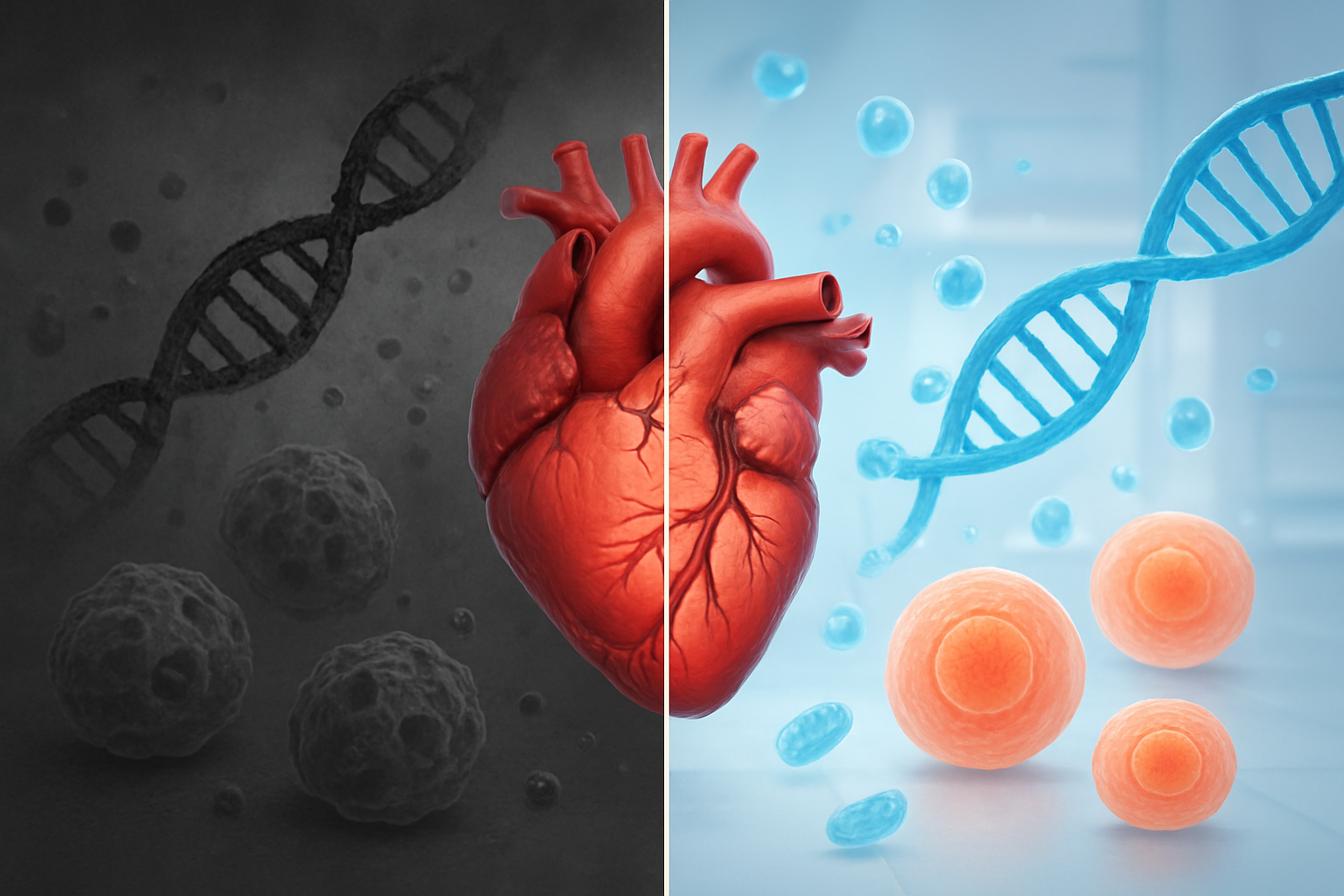
Understanding telomeres and cellular aging markers
Telomeres act like protective caps on the ends of chromosomes, similar to plastic tips on shoelaces. Every time your cells divide, these telomeres get shorter. When they become too short, cells can’t divide properly anymore, leading to aging and eventual cell death. Scientists measure telomere length as a key indicator of biological age – longer telomeres typically mean a younger biological age.
Running after 40 directly impacts telomere health. Research shows that regular aerobic exercise like running can actually lengthen telomeres or slow their shortening process. Athletes often have telomeres comparable to people 10-15 years younger. The enzyme telomerase, which helps maintain telomere length, becomes more active in people who exercise regularly.
Other cellular aging markers include inflammatory proteins, oxidative stress levels, and DNA methylation patterns. Running reduces chronic inflammation throughout the body and decreases levels of C-reactive protein and interleukin-6 – both markers strongly associated with accelerated aging.
How physical activity influences DNA repair mechanisms
Your DNA takes a beating every day from environmental toxins, UV radiation, and normal metabolic processes. Fortunately, your body has sophisticated repair systems constantly fixing this damage. Exercise and aging research reveals that physical activity supercharges these repair mechanisms.
Running triggers the production of proteins that identify and fix DNA damage more efficiently. The process works like this: exercise creates controlled stress that activates cellular repair pathways. Your body responds by ramping up antioxidant enzyme production, including superoxide dismutase and catalase, which neutralize harmful free radicals before they damage DNA.
Regular runners show significantly better DNA repair capacity compared to sedentary individuals. This enhanced repair ability means less accumulated genetic damage over time, translating to slower aging at the cellular level.
The role of mitochondrial function in aging
Mitochondria are your cells’ power plants, converting nutrients into energy. As you age, these cellular engines become less efficient and fewer in number. This decline contributes to fatigue, muscle weakness, and many age-related diseases.
Running acts as a powerful stimulator of mitochondrial health. Aerobic exercise triggers mitochondrial biogenesis – the creation of new mitochondria. Your existing mitochondria also become more efficient at producing energy while generating fewer harmful byproducts.
Anti-aging benefits of running include:
Increased mitochondrial density in muscle cells
Improved oxygen utilization efficiency
Enhanced cellular energy production
Reduced oxidative stress from mitochondrial dysfunction
Better glucose metabolism and insulin sensitivity
Studies show that active adults over 40 can maintain mitochondrial function similar to people 20 years younger.
Hormonal changes that occur after 40
Your hormonal landscape shifts dramatically after 40. Growth hormone production drops by about 14% per decade. Testosterone levels in men decline by 1-2% annually. Women experience perimenopause and menopause, with estrogen and progesterone fluctuations affecting everything from bone density to metabolism.
These hormonal changes accelerate muscle loss, reduce bone density, slow metabolism, and affect sleep quality. The good news? Running for middle-aged adults can help counteract many of these changes.
Regular running stimulates growth hormone release, especially during high-intensity sessions. It helps maintain testosterone levels in men and can ease some menopausal symptoms in women. Exercise also improves insulin sensitivity, which typically decreases with age, helping maintain stable blood sugar levels and healthy body composition.
| Hormone | Age-Related Change | Running’s Impact |
|---|---|---|
| Growth Hormone | Decreases 14% per decade | Increases post-exercise release |
| Testosterone (men) | Drops 1-2% annually | Helps maintain levels |
| Insulin | Reduced sensitivity | Improves sensitivity |
| Cortisol | Often elevated | Helps regulate stress response |
The key lies in consistency. Your body adapts to regular exercise by optimizing hormone production and sensitivity, creating a more youthful hormonal profile that supports healthy aging.
Unique Anti-Aging Benefits of Running for the 40+ Population

Cardiovascular rejuvenation and heart health improvements
Running after 40 delivers remarkable cardiovascular benefits that can literally reverse your heart’s aging process. Your heart muscle becomes stronger and more efficient with regular running, pumping more blood with each beat. This increased efficiency means your resting heart rate drops, often by 10-15 beats per minute after just a few months of consistent training.
The magic happens at the cellular level too. Running stimulates the growth of new capillaries, creating a richer network of tiny blood vessels that deliver oxygen and nutrients throughout your body. Your arteries become more flexible and less prone to the stiffening that typically occurs with age. Studies show that runners in their 50s and 60s often have arterial flexibility comparable to people 20 years younger.
Blood pressure improvements are equally impressive. Many people who start running after 40 see their systolic blood pressure drop by 10-20 points within six months. The anti-aging benefits of running extend to cholesterol levels as well, with HDL (good cholesterol) increasing while LDL (bad cholesterol) decreases.
Enhanced cognitive function and memory protection
Your brain gets a serious upgrade when you start running after 40. Each run floods your brain with BDNF (brain-derived neurotrophic factor), often called “Miracle Gro for the brain.” This protein stimulates the growth of new brain cells and strengthens connections between existing neurons.
Memory improvements show up quickly. Runners consistently perform better on memory tests than sedentary individuals of the same age. The hippocampus, your brain’s memory center, actually grows larger with regular running. This growth can reverse age-related shrinkage that typically begins in your 40s.
Executive function – your ability to plan, focus, and multitask – gets sharper too. Running increases blood flow to the prefrontal cortex, the brain region responsible for decision-making and problem-solving. Many runners report clearer thinking and improved concentration at work within weeks of starting their routine.
The neuroprotective effects are long-lasting. Regular runners have significantly lower risks of developing dementia and Alzheimer’s disease later in life. The biological clock reversal includes protecting your brain from the typical cognitive decline associated with aging.
Increased bone density and joint mobility
Contrary to popular belief, running after 40 strengthens rather than weakens your bones and joints. The impact forces from running trigger your bones to become denser and stronger through a process called Wolff’s Law – bones adapt to the forces placed upon them.
Bone density typically decreases by 1-2% per year after age 40, but runners often maintain or even increase their bone density. Weight-bearing exercise like running stimulates osteoblasts, the cells that build new bone tissue. Your spine, hips, and legs become more resilient against fractures.
Joint health improves through increased synovial fluid production – the natural lubricant that keeps your joints moving smoothly. Running also strengthens the muscles, tendons, and ligaments surrounding your joints, providing better support and stability. Many people who feared running would damage their knees discover the opposite: their joint pain decreases and mobility improves.
Flexibility and range of motion benefit from the dynamic movement patterns in running. Your hip flexors, calves, and hamstrings adapt to the repetitive motion, maintaining elasticity that would otherwise diminish with age.
Improved sleep quality and stress hormone regulation
Running transforms your sleep patterns and stress response in ways that turn back your biological clock. Deep sleep phases become longer and more restorative, allowing your body to complete crucial repair processes that happen during rest. Growth hormone release increases during these deeper sleep cycles, promoting muscle recovery and cellular regeneration.
Cortisol, your primary stress hormone, finds better balance through regular running. While cortisol naturally rises throughout the day and with age, runners maintain healthier cortisol rhythms. Morning cortisol levels normalize, and the hormone clears more efficiently from your system after stressful events.
Sleep onset becomes faster and nighttime awakenings decrease. Many runners fall asleep within 10-15 minutes of hitting the pillow, compared to the 30+ minutes many sedentary adults experience. The temperature regulation benefits of improved cardiovascular fitness also contribute to more comfortable, uninterrupted sleep.
The stress-busting effects extend beyond cortisol. Running triggers endorphin release – your body’s natural mood elevators – while reducing inflammatory markers associated with chronic stress. This hormonal rebalancing creates a cascade of anti-aging effects throughout your body.
Starting Your Running Journey Safely After 40

Essential Health Screenings and Medical Clearances
Before lacing up those running shoes, getting the green light from your healthcare provider is absolutely crucial when starting running at 40. Your body has accumulated four decades of wear and tear, and what worked at 25 might not be the best approach now.
Schedule a comprehensive physical exam that includes cardiovascular screening, especially if you have family history of heart disease or haven’t been regularly active. Your doctor should check your blood pressure, resting heart rate, and may recommend an ECG or stress test depending on your risk factors. Don’t forget about joint health assessments – knees, hips, and ankles need special attention since they’ll bear the impact of your new running routine.
Blood work can reveal underlying issues like diabetes, thyroid problems, or vitamin deficiencies that could affect your running performance and recovery. Many people discover they have prediabetes or low vitamin D levels during these screenings, both of which can significantly impact your energy levels and injury risk.
If you take medications for blood pressure, diabetes, or other chronic conditions, discuss how exercise might affect your dosages. Some medications may need adjusting as your fitness improves, and your doctor needs to monitor these changes.
Those with previous injuries – whether it’s an old knee injury from college sports or chronic back pain from desk work – require specialized clearance. A sports medicine physician or orthopedic doctor can assess whether these issues need addressing before you start pounding the pavement.
Building a Foundation with Proper Warm-Up Routines
Your warm-up routine becomes exponentially more important after 40. Your muscles, tendons, and joints need more time to prepare for activity, and skipping this step practically guarantees injury and setbacks.
Start every running session with 5-10 minutes of dynamic movement. Walking briskly while gradually increasing your pace helps transition your cardiovascular system into exercise mode. Add leg swings, walking lunges, and gentle hip circles to activate the muscles you’ll use most during running.
Dynamic stretching beats static stretching hands down for pre-run preparation. Try high knees, butt kicks, and walking leg kicks to increase range of motion and blood flow. These movements prepare your nervous system for the coordination demands of running while gradually elevating your heart rate.
Temperature plays a bigger role in your warm-up needs after 40. Cold weather requires longer warm-up periods since aging bodies take more time to increase circulation. Hot weather means you need to balance adequate warm-up with avoiding overheating before your main workout even begins.
Create a consistent routine you can stick with regardless of time constraints. Even on busy days, a bare minimum 5-minute warm-up prevents the muscle stiffness and joint pain that can derail your running progress. Your body thrives on routine, and this consistency becomes your insurance policy against injury.
Choosing Appropriate Running Gear and Footwear
The right equipment makes the difference between sustainable progress and constant setbacks when starting running at 40. Your gear needs focus on injury prevention for older runners rather than speed or appearance.
Running shoes deserve your biggest investment and attention. Visit a specialty running store where staff can analyze your gait and foot strike pattern. Many people over 40 need more motion control or stability features than they required in younger years. Replace shoes every 300-400 miles, which comes faster than you think once you establish a consistent routine.
Your feet might have changed shape over the decades, so don’t assume you know your size. Many people need a half-size larger shoe for running, and width can change with age. Shop for shoes in the afternoon when your feet are naturally swollen to mimic how they’ll feel during longer runs.
Compression gear becomes valuable for recovery and circulation support. Compression socks can reduce post-run swelling and help with recovery between sessions. A good sports bra for women becomes even more critical as breast tissue changes with age and needs additional support during high-impact activities.
Moisture-wicking clothing prevents chafing and keeps you comfortable during longer sessions. Avoid cotton, which holds sweat and creates friction points. Look for flat seams and tagless options since sensitivity to fabric irritation often increases with age.
Don’t overlook accessories like a GPS watch or smartphone app to track your progress and ensure you’re not overdoing it in the beginning stages. Many runners over 40 benefit from heart rate monitors to stay within appropriate training zones and avoid the temptation to run too hard too soon.
Age-Appropriate Training Strategies That Maximize Results

Progressive Training Plans Designed for Mature Bodies
Running after 40 requires a fundamentally different approach than the intense training methods that work for younger athletes. Your body needs more time to adapt, recover, and build strength safely. A progressive plan starts with a solid base-building phase lasting 8-12 weeks, focusing on easy-paced runs that feel conversational.
Start with three running days per week, alternating with rest or active recovery days. Week one might include three 20-minute runs, gradually increasing by just 10% each week. This conservative progression protects joints and connective tissues while building cardiovascular fitness.
The key lies in periodization – structuring your training in blocks that emphasize different aspects of fitness. Spend 70% of your training time at an easy pace where you can maintain a conversation. The remaining 30% gets divided between moderate efforts and occasional harder sessions.
Age-appropriate training means listening to your body’s signals more carefully than ever before. Some weeks you’ll need to dial back intensity or volume based on sleep quality, stress levels, or minor aches. This isn’t weakness – it’s intelligent training that prevents setbacks.
Optimal Running Frequency and Intensity Guidelines
Three to four running sessions per week typically provide the sweet spot for running for middle-aged adults. This frequency allows adequate recovery while maintaining consistent stimulus for improvement. More experienced runners might handle five sessions, but six or seven days weekly often leads to overuse injuries.
Intensity distribution becomes crucial after 40. Follow the 80/20 rule religiously:
80% Easy Pace: Runs where you breathe comfortably through your nose, can hold conversations, and feel you could continue much longer
15% Moderate Pace: Comfortably hard efforts like tempo runs or steady-state workouts
5% Hard Pace: True anaerobic efforts like intervals or hill repeats
Your easy pace might be 1-2 minutes per mile slower than your goal race pace, and that’s perfectly normal. These gentle miles build your aerobic engine without stressing recovery systems.
| Training Zone | Heart Rate | Effort Level | Weekly Percentage |
|---|---|---|---|
| Easy | 65-75% max | Light | 80% |
| Moderate | 75-85% max | Comfortably Hard | 15% |
| Hard | 85-95% max | Very Hard | 5% |
Recovery Time Requirements for 40+ Runners
Recovery becomes your secret weapon for biological age improvement through running. While a 25-year-old might bounce back from hard workouts in 24 hours, runners over 40 typically need 48-72 hours between intense sessions.
Plan rest days strategically around your hardest workouts. After interval training or long runs, schedule easy runs or complete rest days. Your muscles, tendons, and ligaments repair and strengthen during recovery – not during the workout itself.
Sleep becomes non-negotiable for proper recovery. Aim for 7-9 hours nightly, as this is when growth hormone production peaks and cellular repair happens most efficiently. Poor sleep directly impacts your ability to handle training stress and increases injury risk.
Active recovery days might include gentle walking, easy swimming, or restorative yoga. These activities promote blood flow and flexibility without adding training stress.
Cross-Training Activities That Complement Running
Smart cross-training addresses the physical imbalances that running creates while providing cardiovascular benefits without impact stress. Exercise and aging research shows that varied movement patterns keep bodies more resilient and functional.
Strength Training (2-3 times per week):
Focus on compound movements like squats, deadlifts, and lunges
Include single-leg exercises to address imbalances
Core strengthening prevents lower back issues common in runners
Aim for 2-3 sets of 8-12 repetitions with moderate weight
Low-Impact Cardio Options:
Swimming provides full-body conditioning without joint stress
Cycling builds leg strength while maintaining aerobic fitness
Elliptical training mimics running motion with reduced impact
Rowing develops posterior chain muscles often neglected by running
Flexibility and Mobility Work:
Dynamic warm-ups before runs prepare muscles for movement
Post-run static stretching maintains range of motion
Yoga classes improve flexibility, balance, and mental focus
Foam rolling helps maintain healthy tissue quality
Nutrition Timing for Enhanced Performance and Recovery
Proper nutrition timing can significantly enhance your training adaptations and recovery speed. Your 40+ metabolism processes nutrients differently than younger athletes, making strategic timing even more important.
Pre-Run Nutrition (1-3 hours before):
Easy runs: Light snack or run fasted if comfortable
Hard workouts: Include easily digestible carbs like banana or toast
Avoid high fiber, fat, or protein immediately before running
Hydrate adequately but don’t overdrink
During-Run Fueling:
Runs under 90 minutes typically don’t require fuel
Longer efforts benefit from 30-60g carbs per hour
Practice race-day nutrition during training runs
Post-Run Recovery (within 30-60 minutes):
Combine carbs and protein in 3:1 or 4:1 ratio
Chocolate milk, Greek yogurt with berries, or recovery smoothies work well
This window optimizes glycogen replenishment and muscle repair
Hydrate with water plus electrolytes if you’ve sweated heavily
Daily Nutrition Priorities:
Emphasize anti-inflammatory foods like fatty fish, berries, and leafy greens
Include adequate protein (0.8-1.2g per kg body weight) to support muscle maintenance
Time your largest meals around training when possible
Consider omega-3 supplements and vitamin D if deficient
The combination of these age-appropriate training strategies creates a sustainable approach to running that enhances rather than accelerates aging. Your body will respond positively to this thoughtful, progressive approach, often performing better than it did in previous decades.