
Become the Youngest Version of Yourself – Forever Young

Become the Youngest Version of Yourself – Forever Young
Aging doesn’t have to mean slowing down or accepting decline. You can tap into your body’s built-in repair systems and turn back the clock on how you look, feel, and think.
This guide is for anyone who wants to age gracefully while maintaining energy, strength, and mental sharpness. You don’t need expensive treatments or magic pills—just smart strategies backed by science.
We’ll explore how to unlock your body’s natural anti-aging mechanisms that work around the clock to keep you young. You’ll discover the foods and nutrients that fuel longevity and help your cells regenerate like they did in your twenties. Plus, we’ll cover simple ways to build physical strength and keep your mind razor-sharp, no matter what your birth certificate says.
Ready to become the youngest version of yourself? Let’s dive in.
Unlock Your Body’s Natural Anti-Aging Mechanisms
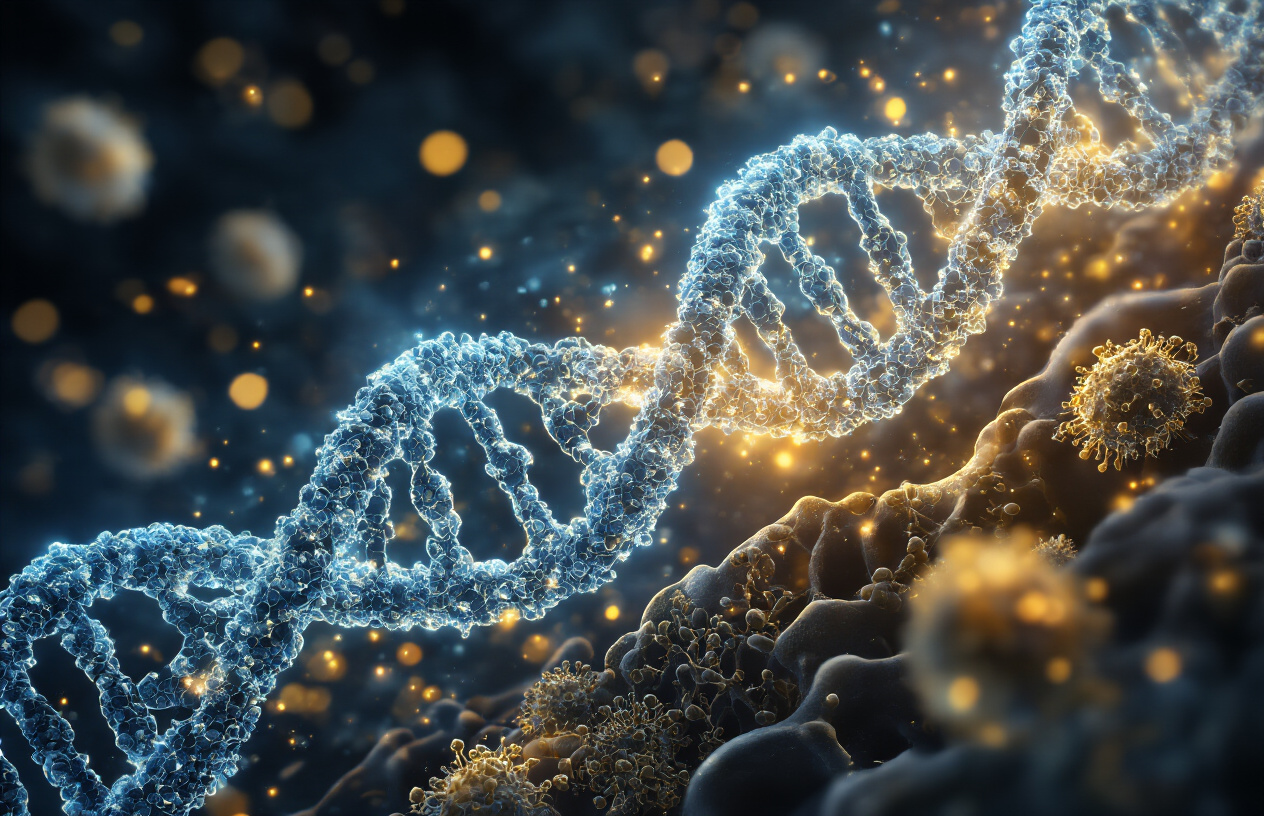
Activate cellular regeneration through intermittent fasting
Your cells possess an incredible built-in cleaning system called autophagy, which literally means “self-eating.” When you fast for extended periods, your body switches from growth mode to maintenance mode, triggering this cellular housekeeping process that removes damaged proteins and organelles while recycling their components for energy.
The magic happens when you extend your overnight fast to 16-18 hours. During this window, insulin levels drop significantly, allowing your cells to access stored fat for fuel while simultaneously activating autophagy pathways. Research shows that this process becomes most active after 12-16 hours of fasting, making the 16:8 method particularly effective for cellular renewal.
Start with a 12-hour eating window and gradually reduce it to 8 hours over several weeks. Your eating period might run from noon to 8 PM, giving your digestive system a 16-hour break. During fasting hours, stick to water, black coffee, or plain tea to maintain the metabolic benefits.
The cellular regeneration effects compound over time. Regular intermittent fasting increases the production of brain-derived neurotrophic factor (BDNF), promotes the growth of new neurons, and enhances mitochondrial function – your cellular powerhouses become more efficient at producing energy while creating fewer harmful byproducts.
Boost growth hormone production with quality sleep
Growth hormone acts as your body’s fountain of youth, orchestrating tissue repair, muscle building, and fat metabolism while you sleep. The majority of growth hormone release occurs during deep sleep phases, specifically during the first few hours of quality rest.
Your sleep environment plays a crucial role in maximizing hormone production. Keep your bedroom between 65-68°F, as cooler temperatures promote deeper sleep stages. Complete darkness signals your pineal gland to produce melatonin, which works synergistically with growth hormone. Blackout curtains, eye masks, or removing electronic devices can dramatically improve sleep quality.
The timing of your last meal affects growth hormone release. Eating within 3 hours of bedtime elevates insulin levels, which directly suppresses growth hormone production. Plan your final meal at least 3-4 hours before sleep to allow insulin levels to normalize.
High-intensity exercise earlier in the day amplifies nighttime growth hormone release. Resistance training and sprint intervals create metabolic stress that triggers increased hormone production during recovery sleep. Aim for these workouts at least 4-5 hours before bedtime to avoid sleep interference.
Establish a consistent sleep schedule, going to bed and waking at the same time daily, even on weekends. This regularity strengthens your circadian rhythm and optimizes the natural hormone release patterns that keep you biologically young.
Stimulate collagen synthesis naturally
Collagen production naturally declines by about 1% per year after age 25, leading to visible signs of aging like wrinkles, joint stiffness, and reduced skin elasticity. Your body can ramp up collagen synthesis through targeted nutritional and lifestyle strategies that work with your natural biology.
Vitamin C acts as the master switch for collagen production, serving as a cofactor in the enzymatic process that forms new collagen fibers. Consume vitamin C-rich foods like bell peppers, citrus fruits, and strawberries throughout the day, as your body can’t store this water-soluble vitamin. Aim for 75-90mg daily from whole food sources for optimal absorption.
Bone broth provides glycine, proline, and hydroxyproline – the specific amino acids that form collagen’s structure. Slow-cooking bones for 12-24 hours extracts these building blocks in their most bioavailable form. Two cups of quality bone broth daily can provide substantial collagen precursors.
Heat shock proteins, activated through sauna use or hot baths, stimulate collagen synthesis while breaking down damaged proteins. Spend 15-20 minutes in temperatures between 160-180°F, followed by a cool shower. This thermal stress triggers repair mechanisms that rebuild stronger, more youthful tissues.
Red light therapy at wavelengths of 660-850 nanometers penetrates skin tissue and stimulates fibroblast activity – the cells responsible for producing new collagen. Daily 10-15 minute sessions can increase collagen density and improve skin texture within 8-12 weeks.
Enhance DNA repair processes
Your DNA faces constant assault from environmental toxins, UV radiation, and normal metabolic processes, accumulating roughly 10,000 to 100,000 lesions per cell daily. Fortunately, your cells possess sophisticated repair systems that can be optimized through specific interventions.
Sulforaphane, found in cruciferous vegetables like broccoli sprouts, activates the Nrf2 pathway – your cellular defense system against oxidative stress. This compound increases the production of antioxidant enzymes that protect DNA from damage while enhancing repair mechanisms. Consume broccoli sprouts or lightly steamed cruciferous vegetables daily to maintain high sulforaphane levels.
NAD+ (nicotinamide adenine dinucleotide) serves as fuel for DNA repair enzymes called PARPs and sirtuins. NAD+ levels decline with age, compromising repair capacity. Boost natural production through regular exercise, which increases NAD+ synthesis, or consider niacin-rich foods like mushrooms, green peas, and tuna.
Cold exposure activates stress response pathways that strengthen DNA repair mechanisms. Cold showers, ice baths, or even turning down your thermostat trigger hormetic stress – beneficial stress that makes your cells more resilient. Start with 30-second cold shower finishes and gradually increase duration.
Polyphenol-rich foods like green tea, dark berries, and olive oil provide compounds that directly support DNA repair enzymes while reducing inflammation that can interfere with cellular maintenance. These plant compounds act as signaling molecules, communicating with your genes to upregulate protective and repair pathways.
Limiting exposure to DNA-damaging agents amplifies your natural repair capacity. Minimize processed foods high in advanced glycation end products (AGEs), use broad-spectrum sunscreen, and consider air purifiers to reduce indoor pollutants that create oxidative stress.
Master the Science of Longevity Nutrition

Consume Antioxidant-Rich Superfoods Daily
Your cells face constant attack from free radicals – unstable molecules that damage cellular structures and accelerate the aging process. The most effective defense comes from antioxidants, which neutralize these harmful compounds before they can wreak havoc on your body.
Blueberries pack more antioxidant power per serving than almost any other food. Just one cup delivers anthocyanins that protect brain cells and improve memory function. Wild blueberries contain even higher concentrations than their cultivated cousins. Dark leafy greens like spinach and kale provide lutein and zeaxanthin, which shield your eyes from age-related macular degeneration.
Green tea deserves a spot in your daily routine for its catechins, particularly EGCG, which activates longevity genes and reduces inflammation throughout your body. Drink 2-3 cups daily, preferably between meals to maximize absorption.
Add these powerhouse foods to your weekly shopping list:
Pomegranates – contain punicalagins that boost collagen production
Dark chocolate (85% cacao) – rich in flavonoids that improve cardiovascular health
Turmeric – curcumin reduces systemic inflammation
Brazil nuts – selenium supports cellular repair mechanisms
Fatty fish – omega-3s protect telomeres and brain function
The key lies in variety and consistency. Rotate different colored fruits and vegetables to ensure you’re getting the full spectrum of protective compounds your body needs to maintain youthful cellular function.
Eliminate Inflammatory Foods That Accelerate Aging
Chronic inflammation acts like a slow-burning fire inside your body, systematically breaking down tissues and organs. Certain foods fuel this inflammatory response, fast-tracking the aging process and increasing your risk of age-related diseases.
Refined sugar tops the list of aging accelerators. When blood sugar spikes repeatedly, it triggers a process called glycation, where sugar molecules bind to proteins and create harmful compounds called AGEs (Advanced Glycation End Products). These damage collagen and elastin, leading to wrinkled, sagging skin.
Processed foods loaded with trans fats and vegetable oils high in omega-6 fatty acids create an inflammatory cascade throughout your body. These oils become rancid when heated and processed, generating free radicals that attack healthy cells.
Foods to eliminate or drastically reduce:
| Inflammatory Foods | Healthier Alternatives |
|---|---|
| White bread, pasta | Quinoa, sweet potatoes |
| Fried foods | Baked, grilled, steamed |
| Soda and energy drinks | Herbal teas, sparkling water |
| Processed meats | Wild-caught fish, grass-fed meat |
| Margarine | Avocado, olive oil |
Excess alcohol consumption generates acetaldehyde, a toxic compound that damages DNA and accelerates cellular aging. Limit intake to occasional moderate consumption – red wine contains resveratrol, which offers some protective benefits when consumed sparingly.
Pay attention to how foods make you feel. Joint stiffness, brain fog, or digestive issues often signal inflammatory responses that age your body faster than your chronological years suggest.
Balance Hormones Through Strategic Nutrient Timing
Your hormones orchestrate every aspect of aging, from metabolism and muscle maintenance to sleep quality and cognitive function. Strategic nutrient timing can naturally optimize these powerful chemical messengers without expensive interventions or medications.
Intermittent fasting triggers beneficial hormonal cascades that promote longevity. During fasting periods, growth hormone levels increase up to 5-fold, promoting fat burning and muscle preservation. Insulin sensitivity improves, allowing your cells to use nutrients more efficiently. Start with a 12-hour overnight fast and gradually extend to 14-16 hours as your body adapts.
Protein timing significantly impacts muscle-building hormones. Consume 20-30 grams of high-quality protein within 30 minutes after strength training to maximize muscle protein synthesis. This becomes increasingly important after age 30, when you naturally lose 3-8% of muscle mass per decade.
Hormone-optimizing meal strategies:
Morning: Include healthy fats like avocado or nuts to support hormone production
Pre-workout: Light protein and complex carbs for sustained energy
Post-workout: Protein and simple carbs to replenish glycogen stores
Evening: Avoid heavy meals 3 hours before bed to optimize growth hormone release
Magnesium plays a crucial role in over 300 enzymatic reactions, including hormone synthesis. Take 200-400mg before bed to improve sleep quality and support overnight recovery processes. Zinc deficiency disrupts testosterone and growth hormone production – include oysters, pumpkin seeds, or grass-fed beef in your diet regularly.
Timing your largest meals earlier in the day aligns with your natural circadian rhythms, improving insulin sensitivity and metabolic flexibility. Your body processes nutrients most efficiently when daylight exposure is highest, making breakfast and lunch your power meals.
Build Age-Defying Physical Strength and Mobility

Practice functional movements that preserve joint health
Your body moves best when you train it to move naturally. Functional movements mirror the actions you perform daily – squatting, lifting, pushing, pulling, and rotating. These patterns keep your joints mobile and strong while reducing the stiffness that typically comes with aging.
Start with bodyweight squats, focusing on depth and control. Move through lunges that challenge your hip mobility and ankle flexibility. Add rotational movements like wood chops or medicine ball throws to maintain spinal mobility. These exercises work multiple muscle groups simultaneously, just like real-world activities.
Hip hinges deserve special attention since tight hips plague most adults. Practice deadlift patterns with light weights or resistance bands, keeping your back straight as you push your hips backward. This movement pattern strengthens your posterior chain while maintaining hip flexibility.
Don’t neglect your shoulders and thoracic spine. Overhead reaches, wall slides, and cat-cow stretches combat the forward head posture that develops from desk work. Your joints need regular movement through their full range of motion to stay healthy and pain-free.
Incorporate resistance training for muscle preservation
Muscle mass begins declining around age 30, with losses accelerating after 50. Resistance training stops this decline and can even reverse it. Your muscles respond to progressive overload at any age, making strength training your most powerful anti-aging tool.
Focus on compound movements that work multiple muscle groups: squats, deadlifts, push-ups, rows, and overhead presses. These exercises give you the most bang for your buck, building functional strength while saving time. Start with bodyweight versions if you’re new to training, then progress to weights as you build confidence.
| Exercise Type | Beginner | Intermediate | Advanced |
|---|---|---|---|
| Squats | Bodyweight | Goblet squats | Barbell squats |
| Push movements | Wall push-ups | Standard push-ups | Weighted push-ups |
| Pull movements | Assisted pull-ups | Inverted rows | Pull-ups |
| Hip hinges | Glute bridges | Romanian deadlifts | Deadlifts |
Aim for 2-3 resistance training sessions per week. Your muscles need time to recover and adapt between sessions. Progressive overload doesn’t always mean adding weight – you can increase repetitions, improve form, or slow down the tempo.
Women particularly benefit from resistance training as it helps maintain bone density and prevents osteoporosis. Men see improvements in testosterone levels and metabolic health. Both sexes experience better insulin sensitivity and improved body composition.
Develop flexibility and balance to prevent injury
Flexibility without strength leads to instability, while strength without flexibility creates rigidity. You need both to move well and avoid injury as you age. Balance becomes increasingly important since falls represent a major health risk for older adults.
Dynamic stretching before workouts prepares your muscles for movement. Leg swings, arm circles, and walking lunges with rotation warm up your joints and improve blood flow. Save static stretching for after your workout when your muscles are warm and pliable.
Balance training can be simple yet effective. Stand on one foot while brushing your teeth. Walk heel-to-toe across your living room. Try yoga poses like tree pose or warrior III. These exercises challenge your proprioception – your body’s awareness of its position in space.
Yoga and tai chi offer excellent combinations of flexibility, balance, and mindful movement. Both practices improve joint mobility while teaching body awareness and control. The flowing movements in these disciplines mirror functional patterns while promoting relaxation and stress reduction.
Don’t overlook your feet and ankles. These often-neglected areas provide your foundation for all movement. Roll tennis balls under your feet, practice calf raises, and spend time walking barefoot to maintain foot strength and ankle mobility.
Maintain cardiovascular fitness for vitality
Your cardiovascular system delivers oxygen and nutrients throughout your body while removing waste products. A strong heart and efficient circulation keep you energetic and mentally sharp while protecting against chronic diseases.
High-intensity interval training (HIIT) provides maximum cardiovascular benefits in minimum time. Alternate between 30 seconds of intense effort and 90 seconds of recovery. This approach improves both aerobic and anaerobic fitness while boosting metabolism for hours after your workout.
Zone 2 training – moderate intensity exercise where you can still hold a conversation – builds your aerobic base. This type of training improves mitochondrial function, the cellular powerhouses that generate energy. Walking briskly, cycling, or swimming at a comfortable pace for 30-45 minutes develops this crucial fitness component.
Mix different types of cardio to prevent boredom and overuse injuries:
Swimming provides full-body, low-impact exercise
Cycling builds leg strength while improving cardiovascular fitness
Dancing combines cardio with coordination and fun
Hiking offers natural movement patterns with varied terrain
Rowing works your entire body while being joint-friendly
Your heart is a muscle that responds to training just like your biceps or quadriceps. Regular cardiovascular exercise strengthens your heart, lowers resting heart rate, and improves stroke volume – the amount of blood pumped with each heartbeat.
Create sustainable exercise habits for lifelong benefits
Consistency beats intensity when it comes to long-term health and vitality. The best exercise program is the one you’ll actually follow for years to come. Building sustainable habits requires starting small and gradually increasing your commitment.
Begin with just 10-15 minutes of movement daily. This might seem insignificant, but small actions compound over time. Once daily movement becomes automatic, you can extend duration and add intensity. Success builds on success, creating positive momentum.
Schedule your workouts like important appointments. Put them in your calendar and treat them as non-negotiable commitments to yourself. Morning exercise often works best since fewer conflicts arise early in the day, and you’ll feel accomplished before most people wake up.
Find activities you genuinely enjoy. Exercise shouldn’t feel like punishment. Try different sports, classes, or outdoor activities until you discover what makes you smile. When you love what you’re doing, motivation becomes less important than pure enjoyment.
Create backup plans for busy days or bad weather. Have a 15-minute bodyweight routine ready for hectic schedules. Keep resistance bands at your office for quick movement breaks. Develop a repertoire of exercises that require no equipment and minimal space.
Track your progress to stay motivated. This might mean recording workout details, taking progress photos, or noting how you feel after exercise. Seeing improvements in strength, endurance, or mood reinforces the value of your efforts and encourages consistency.
Build social connections around exercise. Join a walking group, find a workout partner, or participate in group fitness classes. Social support makes exercise more enjoyable while creating accountability. You’re less likely to skip workouts when others are counting on you.
Cultivate a Youthful Mindset and Mental Agility

Practice stress management techniques for cellular protection
Your brain literally changes shape when you’re stressed. Chronic stress floods your system with cortisol, which accelerates cellular aging and shrinks the hippocampus – the brain region responsible for memory and learning. The good news? You can reverse this damage with targeted stress management practices.
Deep breathing exercises offer immediate cellular protection. When you breathe slowly and deeply for just five minutes, you activate your parasympathetic nervous system, reducing cortisol levels by up to 23%. Try the 4-7-8 technique: inhale for 4 counts, hold for 7, exhale for 8. This simple practice triggers your body’s relaxation response and protects your telomeres – the protective caps on chromosomes that determine cellular age.
Meditation literally rewires your brain for youth. Regular meditators show increased gray matter density in areas associated with learning and memory, while stress-related regions actually shrink. Start with just 10 minutes daily using apps like Headspace or simply focusing on your breath.
Progressive muscle relaxation works wonders for those who struggle with traditional meditation. Tense and release each muscle group from your toes to your head, spending 5-10 seconds on each area. This technique not only reduces stress hormones but also improves sleep quality – another key factor in maintaining youthful cellular function.
Cold exposure therapy, whether through cold showers or ice baths, creates controlled stress that strengthens your stress response system. Start with 30 seconds of cold water at the end of your shower and gradually increase duration.
Challenge your brain with continuous learning
Your brain craves novelty like a plant craves sunlight. When you learn new skills, you create fresh neural pathways and strengthen existing connections through a process called neuroplasticity. This biological rewiring keeps your mind sharp and literally makes your brain younger.
Learning a new language stands as one of the most powerful brain-boosting activities. Bilingual individuals show delayed onset of dementia by an average of 4.5 years compared to monolinguals. Apps like Duolingo make this accessible, but consider joining conversation groups for added social benefits.
Musical instruments provide exceptional cognitive benefits. Playing piano or guitar engages multiple brain regions simultaneously – motor skills, auditory processing, memory, and creativity. Adult beginners show measurable improvements in executive function within just six months of regular practice.
Complex puzzles and strategy games build cognitive reserve – your brain’s ability to maintain function despite aging. Crosswords, Sudoku, chess, and video games that require strategic thinking all contribute to mental agility. Vary your choices to challenge different cognitive domains.
Reading diverse genres expands neural networks and improves cognitive flexibility. Mix fiction (which enhances empathy and emotional intelligence) with non-fiction (which builds analytical thinking). Join book clubs to add social interaction, which provides additional cognitive benefits.
Develop emotional resilience and adaptability
Emotional resilience acts as a fountain of youth for your mind. People with high emotional intelligence and adaptability show slower cognitive decline and maintain youthful mental flexibility well into their later years.
Practice emotional regulation through mindfulness. When strong emotions arise, pause and observe them without judgment. Name the emotion (“I’m feeling frustrated”) and breathe through it. This creates space between stimulus and response, allowing you to choose more youthful, flexible reactions rather than rigid, age-related patterns.
Cultivate curiosity over judgment. Young minds approach situations with wonder and openness, while aging minds often become rigid and critical. When facing new situations or people, ask “What can I learn here?” instead of “What’s wrong with this?” This simple shift maintains neural plasticity and keeps you mentally agile.
Build diverse relationships across age groups. Spending time with people younger than you exposes you to new perspectives, technologies, and ways of thinking. Their energy and optimism can be contagious, while your wisdom provides value to them – creating mutually beneficial exchanges that keep your mind young.
Embrace failure as learning opportunities. Young brains are naturally resilient because they view setbacks as information rather than threats. Reframe mistakes as data points that help you improve. This growth mindset prevents the mental rigidity that often comes with aging and maintains the adaptability characteristic of youthful thinking.
Optimize Your Environment for Youthful Living

Create Toxin-Free Living Spaces
Your home should be a sanctuary where your body can repair and regenerate. Start by switching to natural cleaning products made with ingredients like white vinegar, baking soda, and essential oils. Commercial cleaners contain harsh chemicals that disrupt your endocrine system and accelerate aging at the cellular level.
Indoor air quality matters more than you think. Houseplants like snake plants, pothos, and peace lilies work as natural air purifiers, removing formaldehyde, benzene, and other volatile organic compounds. Install a high-quality HEPA air filter and open windows daily to circulate fresh air.
Replace synthetic fragrances with natural alternatives. Conventional candles and air fresheners release phthalates and other hormone disruptors that interfere with your body’s natural processes. Choose beeswax or soy candles with pure essential oils instead.
Your bedroom needs special attention since you spend eight hours there nightly. Invest in organic cotton sheets and pillowcases to reduce exposure to pesticides and synthetic materials. Keep electronics out of the bedroom or at least three feet away from your bed to minimize electromagnetic field exposure.
Water quality deserves equal focus. Install a carbon or reverse osmosis filter to remove chlorine, fluoride, and heavy metals that burden your detoxification systems. Even small improvements in your environment compound over time to support your body’s natural anti-aging mechanisms.
Harness Natural Light for Circadian Rhythm Balance
Your internal clock drives every anti-aging process in your body, from growth hormone production to cellular repair. Getting bright light exposure within the first hour of waking signals your brain to start the day’s hormonal cascade properly.
Step outside for 10-15 minutes each morning, even on cloudy days. Natural sunlight provides the full spectrum of wavelengths your circadian system needs. If outdoor time isn’t possible, use a 10,000 lux light therapy lamp positioned 16-24 inches from your face while having breakfast or coffee.
Afternoon sun exposure helps maintain cortisol rhythms and supports vitamin D synthesis. Spend time near windows during work hours or take brief outdoor breaks. Your skin needs moderate sun exposure to produce vitamin D, which plays crucial roles in immune function, bone health, and cellular regeneration.
Evening light management proves equally important. Dim artificial lights after sunset and use warm-toned bulbs (2700K or lower). Blue light from screens disrupts melatonin production, so wear blue light blocking glasses or use apps that filter blue wavelengths after dark.
Create complete darkness in your bedroom using blackout curtains or an eye mask. Even small amounts of light can interfere with deep sleep phases when your body performs most of its repair work. Keep your bedroom temperature between 65-68°F to support natural melatonin release and optimize sleep quality.
Build Supportive Social Connections for Longevity
Strong relationships add years to your life and life to your years. Research consistently shows that people with robust social networks live longer, experience less cognitive decline, and maintain better physical health as they age.
Quality trumps quantity when it comes to relationships. Focus on nurturing a few meaningful connections rather than maintaining superficial social circles. Schedule regular one-on-one time with friends and family members who energize and support you. These interactions reduce stress hormones and boost immune function.
Community involvement provides purpose and belonging, both essential for healthy aging. Volunteer for causes you care about, join clubs aligned with your interests, or participate in group fitness activities. Shared experiences create bonds while keeping your mind engaged and your body active.
Don’t underestimate the power of intergenerational friendships. Spending time with people of different ages keeps your perspective fresh and challenges you to stay mentally flexible. Mentor younger people or learn from older adults who model the kind of aging you want to experience.
Set boundaries with toxic relationships that drain your energy. Chronic stress from difficult people accelerates cellular aging and weakens your immune system. Surround yourself with people who celebrate your growth and support your health goals.
Design Daily Routines That Support Regeneration
Your daily habits either accelerate or slow down the aging process. Small, consistent actions compound over time to create dramatic differences in how you look and feel as years pass.
Morning routines set the tone for cellular regeneration. Start with gentle movement like stretching or yoga to stimulate lymphatic drainage and circulation. Follow with a nutrient-dense breakfast containing protein and healthy fats to stabilize blood sugar and provide building blocks for tissue repair.
Build micro-recovery periods into your day. Take five-minute breathing breaks every few hours to activate your parasympathetic nervous system. This simple practice reduces cortisol levels and gives your body permission to shift into repair mode even during busy periods.
Evening routines prepare your body for overnight regeneration. Stop eating 2-3 hours before bed to allow complete digestion. Create a wind-down ritual that includes activities like gentle stretching, journaling, or reading to signal your nervous system that it’s time to rest and repair.
Consistency matters more than perfection. Choose sustainable practices you can maintain long-term rather than extreme measures that burn you out. Your body thrives on predictable rhythms, so aim to wake up and go to bed at similar times each day, even on weekends.
Track your energy levels and adjust routines accordingly. Pay attention to which activities leave you feeling energized versus drained, then modify your schedule to maximize regenerative activities while minimizing energy vampires.

Your body holds incredible potential to stay vibrant and strong at any age. By tapping into your natural anti-aging systems, feeding yourself the right nutrients, staying physically active, and keeping your mind sharp, you’re setting yourself up for a life that feels energetic and fulfilling. The environment you create around yourself plays a huge role too – from the air you breathe to the people you spend time with.
The secret isn’t about chasing expensive treatments or quick fixes. It’s about making smart, consistent choices that work with your body instead of against it. Start with small changes today, whether that’s adding more colorful foods to your plate, taking evening walks, or learning something new that challenges your brain. Your future self will thank you for every positive step you take right now.