
Essential Nutrition For Longevity & Reverse Aging
Your body ages at the cellular level every single day, but the right nutrition can dramatically slow this process and even help reverse signs of aging. This guide is for health-conscious adults, busy professionals, and anyone who wants to look and feel younger while extending their healthy lifespan through smart food choices.
Longevity nutrition isn’t about complicated diets or expensive supplements—it’s about understanding which foods work with your body’s natural repair systems. The foods you eat directly impact how fast your cells age, how well your body fights inflammation, and whether you activate the biological pathways that promote a longer, healthier life.
We’ll explore the fundamental nutrients that slow cellular aging and keep your body running like a well-oiled machine. You’ll discover powerful anti-inflammatory foods that can reverse age-related decline and learn the optimal eating patterns that research shows can extend your lifespan. Plus, we’ll cover the essential micronutrients that activate your body’s longevity pathways and reveal which common foods actually accelerate aging so you can avoid them.
Fundamental Nutrients That Slow Cellular Aging
Antioxidants That Combat Free Radical Damage
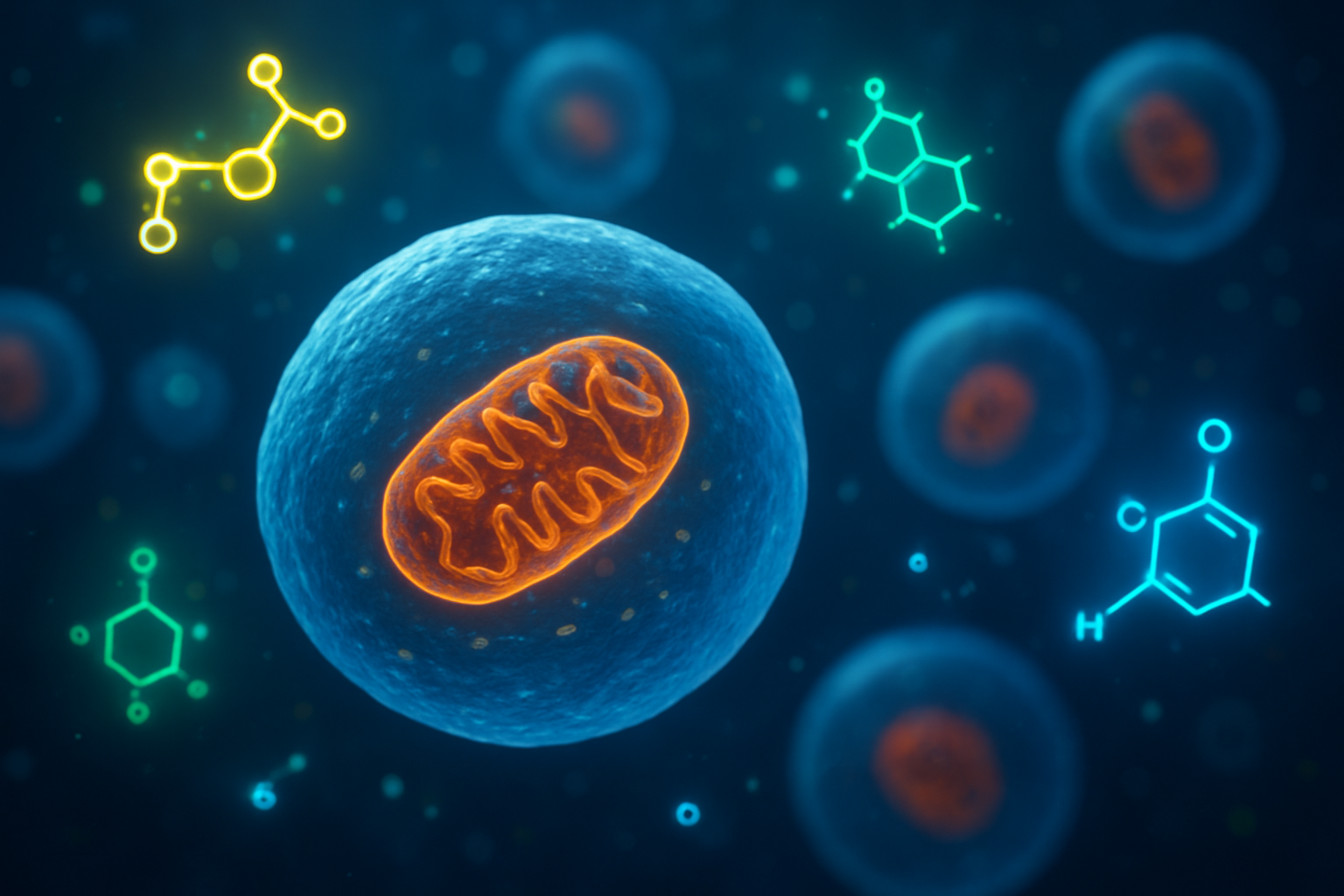
Your cells face constant attack from free radicals – unstable molecules that damage cellular structures and accelerate aging. Think of them as tiny vandals wreaking havoc on your body’s most important systems. The good news? Cellular aging nutrients packed with antioxidants can neutralize these harmful compounds and slow down the aging process significantly.
Vitamin C stands as one of the most powerful defenders against free radical damage. Found abundantly in citrus fruits, berries, and leafy greens, this water-soluble vitamin regenerates other antioxidants and protects your skin, blood vessels, and immune system. Adults need around 75-90mg daily, but research suggests higher amounts may provide additional anti-aging benefits.
Vitamin E works alongside vitamin C to protect cell membranes from oxidative stress. Nuts, seeds, and vegetable oils provide excellent sources of this fat-soluble vitamin. The synergy between these vitamins creates a powerful defense system that keeps your cells functioning optimally.
Polyphenols represent another crucial category of antioxidants found in colorful fruits and vegetables. Resveratrol from grapes, quercetin from onions and apples, and catechins from green tea all demonstrate remarkable abilities to activate longevity pathways and protect against age-related cellular damage.
Beta-carotene and other carotenoids give orange and red vegetables their vibrant colors while providing potent antioxidant protection. These compounds not only fight free radicals but also support eye health and immune function as you age.
Omega-3 Fatty Acids for Brain and Heart Protection
Your brain and heart require special protection as you age, and omega-3 fatty acids deliver exactly what these vital organs need. These essential fats play critical roles in maintaining cognitive function, reducing inflammation, and supporting cardiovascular health – key components of any anti-aging foods strategy.
DHA (docosahexaenoic acid) makes up a significant portion of brain tissue and supports memory, learning, and overall cognitive performance. Research shows that people with higher DHA levels maintain better brain function well into their golden years. EPA (eicosapentaenoic acid) focuses more on reducing inflammation throughout the body, particularly in blood vessels and joints.
Fatty fish like salmon, sardines, and mackerel provide the most bioavailable forms of these longevity nutrition powerhouses. Aim for at least two servings weekly to meet your omega-3 needs. Plant-based sources include walnuts, flaxseeds, and chia seeds, though these contain ALA (alpha-linolenic acid), which your body must convert to EPA and DHA.
The anti-inflammatory properties of omega-3s extend far beyond brain and heart health. These fats help regulate immune responses, support joint mobility, and may even influence gene expression related to aging. Studies suggest that adequate omega-3 intake can add years to your life while improving quality of life throughout the aging process.
Complete Proteins for Muscle Preservation
Muscle mass naturally declines with age, a process called sarcopenia that can dramatically impact your independence and quality of life. Complete proteins containing all essential amino acids become increasingly important as you get older, serving as building blocks for muscle maintenance and repair.
Your body needs approximately 0.8-1.2 grams of protein per kilogram of body weight, but this requirement increases with age. Research suggests older adults benefit from consuming 1.2-1.6 grams per kilogram to maintain muscle mass effectively. This translates to roughly 20-30 grams of high-quality protein at each meal.
Animal proteins like lean meats, fish, eggs, and dairy products provide complete amino acid profiles that your muscles readily use for repair and growth. Leucine, an amino acid abundant in these foods, particularly stimulates muscle protein synthesis – the process that keeps your muscles strong and functional.
Plant-based complete proteins include quinoa, buckwheat, hemp seeds, and combinations like rice and beans. These options work well for those following vegetarian or vegan lifestyles while still supporting muscle preservation goals.
Timing matters when consuming protein for muscle preservation. Spreading protein intake throughout the day, rather than loading it into one meal, maximizes muscle protein synthesis and supports better aging outcomes.
Essential Vitamins for DNA Repair
Your DNA experiences thousands of breaks and modifications daily, making efficient repair mechanisms crucial for healthy aging. Specific vitamins act as cofactors in DNA repair pathways, helping maintain genetic stability and preventing the accumulation of cellular damage that drives aging.
B vitamins play starring roles in DNA synthesis and repair. Folate (B9) supports DNA methylation processes that control gene expression, while B12 helps maintain DNA integrity and prevents harmful mutations. Deficiencies in these vitamins can accelerate cellular aging and increase disease risk. Leafy greens provide folate, while animal products supply B12.
Vitamin D goes beyond bone health to support DNA repair mechanisms throughout your body. This vitamin influences hundreds of genes involved in immune function, inflammation control, and cellular maintenance. Most people need supplementation to achieve optimal vitamin D levels for DNA protection.
Niacin (B3) serves as a precursor to NAD+, a molecule essential for DNA repair and cellular energy production. NAD+ levels decline with age, making adequate niacin intake increasingly important. Foods like mushrooms, tuna, and chicken breast provide good sources of this vital nutrient.
Zinc supports numerous enzymes involved in DNA repair and replication. This mineral becomes especially important for maintaining genetic stability as you age. Oysters, beef, and pumpkin seeds offer excellent zinc sources for supporting your body’s DNA repair capabilities.
Anti-Inflammatory Foods That Reverse Age-Related Decline
Colorful Vegetables That Reduce Chronic Inflammation
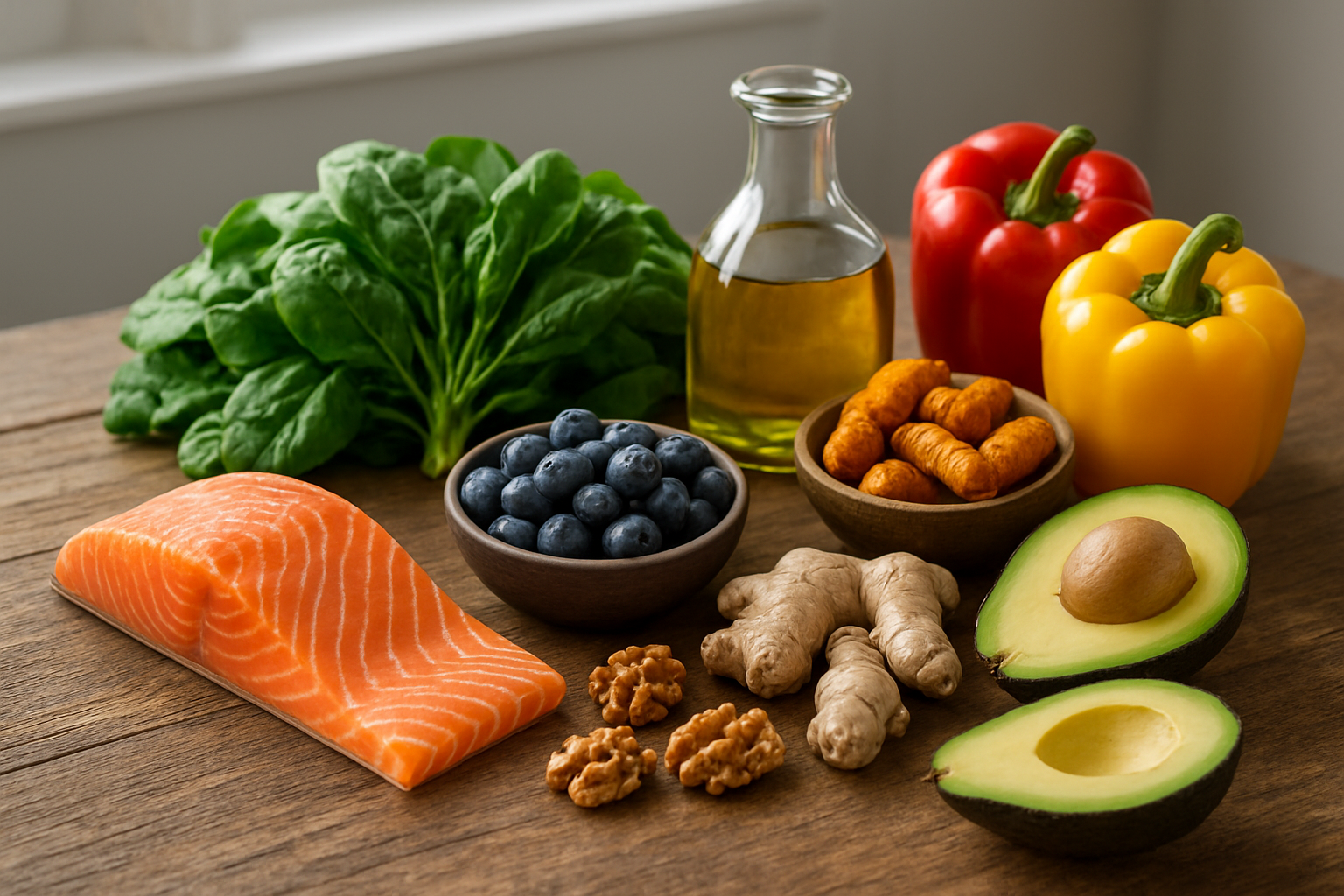
The rainbow on your plate isn’t just beautiful—it’s your best defense against the chronic inflammation that accelerates aging. Each vibrant color represents specific phytonutrients that work like tiny firefighters, extinguishing inflammatory processes at the cellular level.
Dark leafy greens like kale, spinach, and arugula pack enormous anti-inflammatory punch thanks to their high concentrations of quercetin and kaempferol. These flavonoids directly inhibit inflammatory enzymes while supporting your body’s natural antioxidant systems. Eating two cups of leafy greens daily can reduce inflammatory markers by up to 40% within just four weeks.
Purple and blue vegetables deserve special attention for longevity nutrition. Eggplant, purple cabbage, and purple cauliflower contain anthocyanins—powerful compounds that protect brain cells from inflammation-induced damage. Research shows people who eat purple vegetables regularly maintain sharper cognitive function well into their 80s and 90s.
Orange and red vegetables bring beta-carotene and lycopene to the anti-aging party. Sweet potatoes, carrots, red bell peppers, and tomatoes help reduce skin aging while protecting against cardiovascular inflammation. The lycopene in cooked tomatoes becomes even more bioavailable, making marinara sauce a surprisingly potent anti-aging food.
Cruciferous vegetables like broccoli, Brussels sprouts, and cauliflower contain sulforaphane, a compound that activates your body’s detoxification pathways while reducing systemic inflammation. Steam these vegetables lightly to preserve their anti-inflammatory properties while making nutrients more accessible.
Healthy Fats That Support Cellular Regeneration
Your cell membranes need the right fats to stay flexible, functional, and youthful. The wrong fats create stiff, inflammatory cell walls that speed up aging, while the right ones keep your cells operating like well-oiled machines.
Omega-3 fatty acids from wild-caught fish, walnuts, flaxseeds, and chia seeds are cellular regeneration superstars. EPA and DHA omega-3s directly reduce inflammatory proteins while supporting the production of specialized pro-resolving mediators—your body’s natural inflammation-resolution signals. Aim for at least two servings of fatty fish weekly or supplement with high-quality fish oil.
Extra virgin olive oil stands out among anti-aging foods for its unique oleocanthal content. This natural compound mimics ibuprofen’s anti-inflammatory effects without the side effects. The key is choosing cold-pressed, unfiltered olive oil and using it raw when possible to preserve these delicate compounds.
Avocados provide monounsaturated fats that support healthy cholesterol ratios while delivering vitamin E and glutathione—two powerful antioxidants that protect cells from oxidative damage. The combination of healthy fats and antioxidants in avocados makes nutrients from other foods more bioavailable, amplifying your reverse aging diet’s effectiveness.
Raw nuts and seeds offer concentrated doses of vitamin E, magnesium, and healthy fats that support cellular membrane integrity. Almonds, macadamia nuts, and pumpkin seeds are particularly rich in anti-inflammatory compounds. Keep portions moderate—about a handful daily—since nuts are calorie-dense.
Spices and Herbs with Powerful Anti-Aging Properties
Your spice rack holds some of the most concentrated anti-aging compounds on Earth. These culinary powerhouses deliver massive anti-inflammatory benefits in tiny doses, making them perfect for daily longevity nutrition.
Turmeric contains curcumin, arguably the most studied anti-aging compound in nutrition science. Curcumin reduces inflammatory markers throughout the body while protecting brain cells from age-related damage. Pair turmeric with black pepper to increase curcumin absorption by up to 2,000%. Add half a teaspoon to smoothies, soups, or golden milk for maximum benefit.
Ginger contains gingerols and shogaols that powerfully reduce inflammatory cytokines while supporting digestive health—a key component of healthy aging. Fresh ginger provides the most potent compounds, but dried ginger works well too. Grate fresh ginger into teas, stir-fries, or dressings for daily anti-inflammatory support.
Rosemary and oregano contain rosmarinic acid and carvacrol, compounds that protect against oxidative stress while supporting healthy circulation. These Mediterranean herbs have been linked to longer lifespans and reduced age-related diseases. Use them generously in cooking or steep fresh herbs in hot water for antioxidant-rich teas.
Cinnamon helps regulate blood sugar while providing powerful antioxidants that protect against glycation—a process where excess sugar damages proteins and accelerates aging. Choose Ceylon cinnamon over cassia for regular use, as it contains lower levels of coumarin. Sprinkle cinnamon on oatmeal, add it to smoothies, or use it in baking for natural sweetness without blood sugar spikes.
Garlic and onions contain sulfur compounds that support detoxification while reducing inflammation. These allium vegetables also provide prebiotic fibers that feed beneficial gut bacteria—an essential component of anti-inflammatory nutrition. Let chopped garlic sit for 10 minutes before cooking to maximize allicin formation.
Optimal Eating Patterns for Maximum Lifespan Extension
Intermittent Fasting Benefits for Cellular Renewal
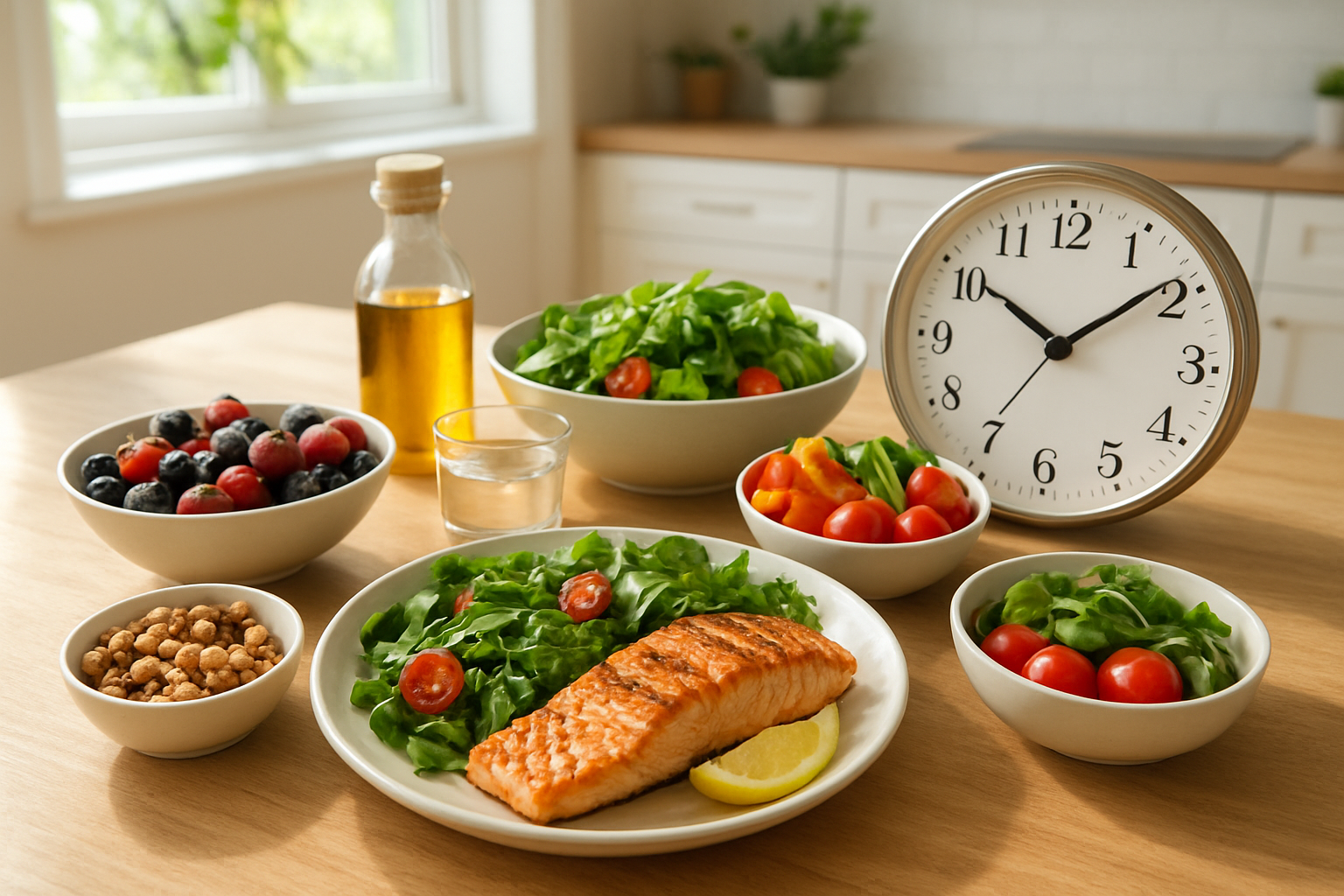
Intermittent fasting triggers powerful cellular repair mechanisms that can extend your lifespan dramatically. When you give your digestive system regular breaks, your body shifts into maintenance mode, activating autophagy – the process where cells clean out damaged components and regenerate themselves.
The 16:8 method stands out as the most sustainable approach for beginners. You eat within an 8-hour window and fast for 16 hours, allowing your cells to focus on repair rather than constant digestion. Research shows this pattern reduces oxidative stress, improves insulin sensitivity, and activates longevity genes called sirtuins.
Extended fasting periods of 24-48 hours, done occasionally, push cellular renewal even further. During these longer fasts, your body produces higher levels of growth hormone and brain-derived neurotrophic factor (BDNF), both crucial for maintaining youthful function across organ systems.
The key lies in consistency rather than perfection. Even a daily 12-hour fast provides measurable anti-aging benefits by reducing inflammation and improving metabolic flexibility.
Mediterranean Diet Principles for Longevity
The Mediterranean eating pattern consistently ranks as one of the most effective longevity nutrition approaches, backed by decades of population studies from the world’s longest-living communities.
Olive oil serves as the cornerstone fat source, providing monounsaturated fats that protect against cellular damage and support healthy aging. Extra virgin olive oil contains powerful polyphenols that activate longevity pathways at the genetic level.
Fish takes center stage as the primary protein source, with fatty varieties like sardines, mackerel, and wild salmon delivering omega-3 fatty acids that preserve brain function and reduce systemic inflammation. These anti-inflammatory foods longevity benefits compound over time.
Vegetables and fruits make up the bulk of daily calories, providing antioxidants that neutralize free radicals and support cellular repair. The emphasis on seasonal, locally-grown produce ensures maximum nutrient density.
Moderate red wine consumption with meals adds resveratrol and other polyphenols that activate cellular stress response pathways. The social aspect of shared meals also contributes to longevity through stress reduction and community connection.
Caloric Restriction Strategies That Work
Caloric restriction without malnutrition represents one of the most scientifically validated lifespan extension eating patterns across species. The goal isn’t starvation but strategic reduction in total energy intake while maintaining optimal nutrition density.
A 20-25% reduction from your baseline caloric needs typically provides the sweet spot for longevity benefits without triggering metabolic slowdown or nutrient deficiencies. This level of restriction activates cellular stress response pathways that enhance DNA repair and reduce cancer risk.
Nutrient timing becomes critical when calories are limited. Front-loading protein intake earlier in the day supports muscle preservation, while saving complex carbohydrates for evening meals can improve sleep quality and recovery.
The “protein-sparing modified fast” approach alternates between normal eating days and very low-calorie days (400-500 calories) focused entirely on high-quality protein. This pattern maintains muscle mass while triggering many of the same cellular benefits as continuous restriction.
Tracking biomarkers like fasting glucose, insulin levels, and inflammatory markers helps you find your optimal restriction level without guesswork.
Meal Timing for Enhanced Metabolic Health
Your body’s circadian rhythms heavily influence how efficiently you process different nutrients throughout the day. Aligning your eating schedule with these natural cycles can dramatically improve metabolic health and support longevity.
Eating your largest meal during daylight hours, particularly mid-morning through early afternoon, works with your body’s natural insulin sensitivity patterns. Your metabolism runs hottest during these hours, making this the ideal time for more complex carbohydrates and larger portions.
Protein distribution matters tremendously for maintaining muscle mass as you age. Spreading 25-30 grams of high-quality protein across three meals provides better muscle protein synthesis than cramming all protein into one large dinner.
Late-night eating disrupts sleep quality and shifts your circadian clock, leading to metabolic dysfunction over time. Finishing your last meal at least 3-4 hours before bedtime allows your body to focus on cellular repair during sleep rather than digestion.
Morning protein intake jumpstarts your metabolism and helps regulate appetite hormones throughout the day. Starting with 30+ grams of protein within an hour of waking sets you up for stable energy and better food choices later.
Micronutrients That Activate Longevity Pathways
Key Minerals for Enzyme Function and Energy
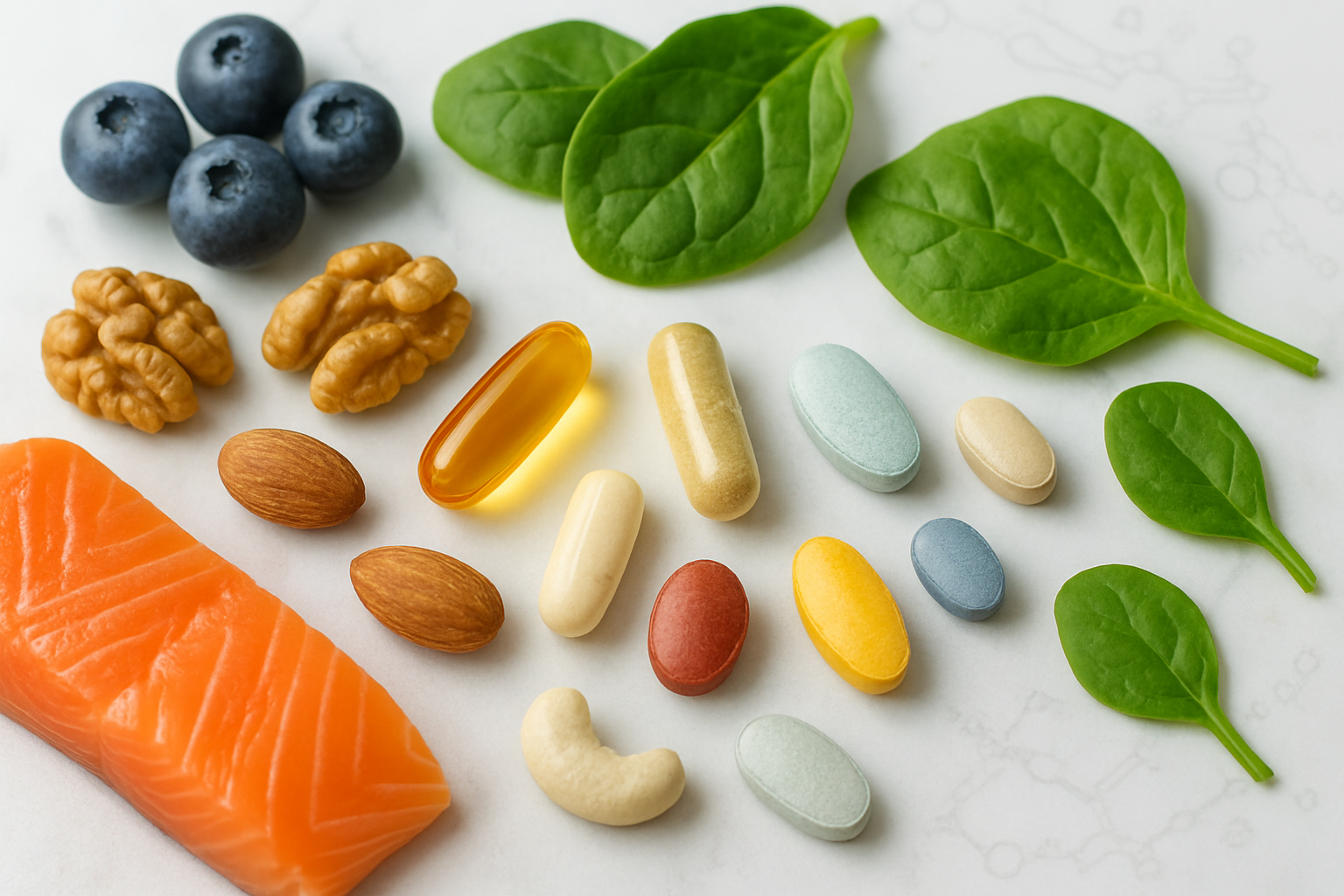
Magnesium stands as the unsung hero of longevity nutrition, acting as a cofactor in over 300 enzymatic reactions that keep your cells running like a well-oiled machine. This mighty mineral directly supports ATP production in your mitochondria, the powerhouses of your cells. When magnesium levels drop, your cellular energy production takes a nosedive, accelerating the aging process. Dark leafy greens, nuts, seeds, and whole grains deliver the magnesium your body craves for optimal function.
Zinc plays a crucial role in DNA repair mechanisms and protein synthesis, two processes that become less efficient as we age. This trace mineral activates enzymes responsible for maintaining telomere length and supports the production of antioxidant enzymes like superoxide dismutase. Oysters, grass-fed beef, pumpkin seeds, and legumes provide excellent zinc sources that help maintain youthful cellular function.
Selenium works hand-in-hand with vitamin E as a powerful antioxidant, protecting your cells from oxidative damage that speeds up aging. This mineral activates glutathione peroxidase, one of your body’s most important antioxidant enzymes. Brazil nuts pack the highest selenium content, with just two nuts providing your daily requirement.
| Mineral | Key Function | Top Sources |
|---|---|---|
| Magnesium | ATP production, enzyme activation | Spinach, almonds, dark chocolate |
| Zinc | DNA repair, protein synthesis | Oysters, beef, pumpkin seeds |
| Selenium | Antioxidant enzyme activation | Brazil nuts, sardines, eggs |
B-Vitamins for Cognitive Health and Energy Production
B-vitamins form the foundation of your body’s energy production system and play starring roles in maintaining brain health throughout the aging process. These water-soluble vitamins work as a team, with each member contributing unique benefits to your longevity pathway micronutrients arsenal.
Vitamin B12 keeps your nervous system firing on all cylinders while supporting DNA synthesis and red blood cell formation. As you age, B12 absorption becomes less efficient, making supplementation or increased dietary intake essential. Wild-caught salmon, grass-fed beef, and nutritional yeast provide bioavailable forms that your body can readily use.
Folate (B9) partners with B12 in DNA methylation processes that control gene expression and cellular aging. Proper folate levels help maintain telomere length and support neuroplasticity, keeping your brain sharp and adaptable. Asparagus, Brussels sprouts, and dark leafy greens deliver natural folate that works better than synthetic folic acid.
Vitamin B6 supports over 100 enzyme reactions and plays a key role in neurotransmitter production, directly impacting mood, memory, and cognitive function. This vitamin also helps regulate homocysteine levels, an amino acid that can accelerate cardiovascular aging when elevated. Chickpeas, tuna, and sweet potatoes provide excellent B6 sources.
The B-complex vitamins work synergistically, creating a powerful anti-aging network that supports mitochondrial function and protects against cognitive decline.
Trace Elements That Support Immune Function
Your immune system acts as your body’s security force, identifying and neutralizing threats that could accelerate aging. Specific trace elements serve as essential components in this defense network, ensuring your immune system stays sharp and responsive throughout your lifespan.
Copper plays a vital role in immune cell development and function, particularly in the production of white blood cells. This trace element also supports collagen synthesis, keeping your skin elastic and youthful. However, copper requires careful balance with zinc, as too much copper can promote oxidative stress. Organic liver, dark chocolate, and cashews provide copper in proper ratios.
Iron supports immune function by enabling proper oxygen transport and cellular energy production. Iron deficiency weakens immune response and leaves you vulnerable to infections that can accelerate aging. Women especially need adequate iron intake, but excess iron can promote oxidative damage. Grass-fed red meat, sardines, and dark leafy greens offer easily absorbed heme iron.
Manganese activates antioxidant enzymes and supports bone health, two factors crucial for healthy aging. This trace element helps your body produce superoxide dismutase, a powerful antioxidant that protects against cellular damage. Pecans, pineapple, and green tea provide natural manganese sources.
Chromium enhances insulin sensitivity, helping maintain stable blood sugar levels that support healthy aging. Poor blood sugar control accelerates glycation, a process that damages proteins and speeds up aging. Broccoli, grape juice, and whole grains contain chromium that supports metabolic health.
These trace elements work behind the scenes to maintain the complex systems that keep you healthy and vibrant as you age.
Foods to Avoid That Accelerate Aging Processes
Processed Foods That Damage Cellular Health
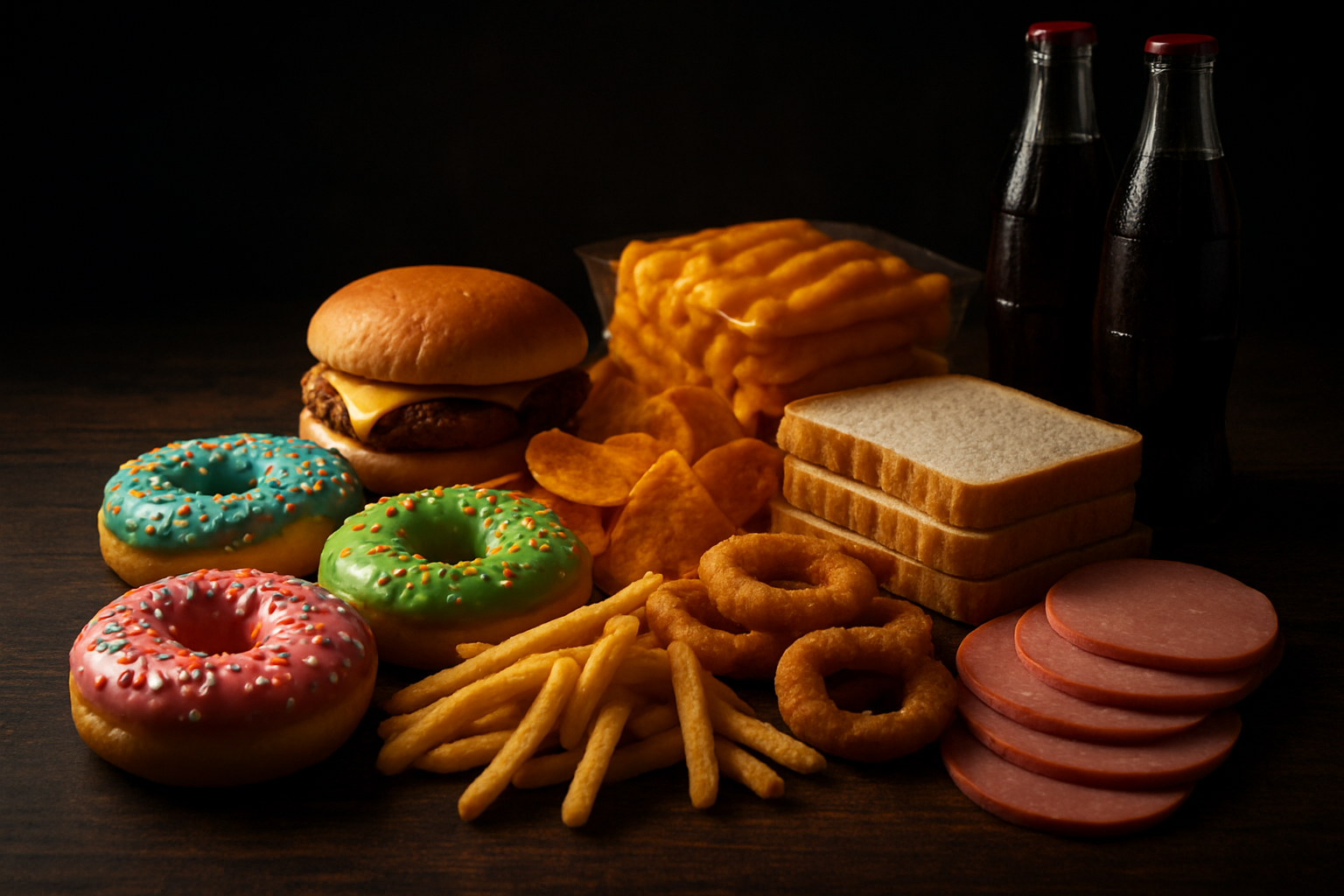
Ultra-processed foods represent one of the biggest threats to cellular health and longevity. These factory-made products contain artificial preservatives, colorings, and flavor enhancers that create oxidative stress within your cells. When you regularly consume packaged snacks, frozen meals, and fast food, you’re flooding your system with chemicals your body wasn’t designed to process.
The manufacturing process strips away vital nutrients while adding inflammatory compounds. Processed meats like hot dogs and deli slices contain nitrates and nitrites that form harmful compounds when heated. These substances damage DNA and accelerate cellular aging at the mitochondrial level.
Common processed foods that accelerate aging:
Packaged breakfast cereals
Instant noodles and soups
Frozen dinners
Processed cheese products
Commercial baked goods
Canned foods with added preservatives
Sugar and Refined Carbohydrates That Cause Glycation
Sugar acts like a cellular rust, binding to proteins through a process called glycation. This creates advanced glycation end products (AGEs) that stiffen your skin, damage blood vessels, and impair organ function. White bread, pastries, and sugary drinks spike your blood glucose, triggering this aging cascade.
Refined carbohydrates behave similarly to pure sugar in your bloodstream. They lack fiber and nutrients, causing rapid glucose spikes followed by insulin crashes. This rollercoaster effect promotes inflammation and accelerates the aging process throughout your body.
High-fructose corn syrup deserves special attention as it undergoes glycation reactions ten times faster than glucose. This sweetener appears in countless processed foods and beverages, making it nearly impossible to avoid without careful label reading.
Trans Fats That Promote Inflammation
Artificial trans fats represent perhaps the most dangerous fats for longevity nutrition. These laboratory-created fats increase systemic inflammation while damaging cell membranes. They interfere with your body’s natural anti-inflammatory processes and accelerate cardiovascular aging.
Foods containing trans fats include:
Margarine and vegetable shortening
Fried foods from restaurants
Commercial baked goods
Some microwave popcorns
Non-dairy creamers
Even small amounts of trans fats can trigger inflammatory cascades that persist for hours after consumption. Your immune system treats these unnatural fats as foreign invaders, mounting an inflammatory response that damages healthy tissues over time.
Excessive Alcohol That Impairs Recovery
While moderate red wine consumption may offer some antioxidant benefits, excessive alcohol consumption accelerates aging through multiple pathways. Alcohol generates free radicals during metabolism, depletes essential nutrients, and impairs your liver’s detoxification capacity.
Regular heavy drinking disrupts sleep quality, preventing crucial cellular repair processes that occur during deep sleep phases. Alcohol also dehydrates your skin and organs while interfering with collagen production. The result is premature aging both internally and externally.
Safe alcohol limits for longevity:
Women: No more than 1 drink per day
Men: No more than 2 drinks per day
Include alcohol-free days weekly
High Sodium Foods That Stress Cardiovascular System
Excessive sodium intake forces your cardiovascular system to work harder while promoting cellular dehydration. Processed foods often contain three to four times the sodium found in whole foods, overwhelming your kidneys’ ability to maintain proper fluid balance.
High sodium accelerates aging by:
Increasing blood pressure and arterial stiffness
Promoting inflammation in blood vessel walls
Causing cellular dehydration and oxidative stress
Interfering with calcium metabolism
Reducing kidney function over time
High-sodium foods to limit:
Canned soups and broths
Deli meats and cured products
Restaurant meals
Packaged sauces and dressings
Salted snacks and chips
Frozen meals
Aim for less than 2,300mg of sodium daily, with an ideal target of 1,500mg for optimal cardiovascular health and longevity.
Practical Implementation Strategies for Longevity Nutrition

Weekly Meal Planning for Anti-Aging Benefits
Creating an effective longevity nutrition plan starts with strategic weekly meal preparation that maximizes anti-aging compounds while minimizing inflammatory triggers. Start each week by selecting three primary colors for your produce – this simple rule ensures diverse phytonutrients that support cellular repair mechanisms.
Dedicate Sundays to batch-cooking longevity staples like wild-caught salmon, organic berries, and cruciferous vegetables. Prepare large quantities of anti-inflammatory bases such as turmeric-ginger bone broth, which can serve as a foundation for multiple meals throughout the week. Store these components in glass containers to avoid endocrine-disrupting chemicals found in plastic.
Your weekly shopping list should include:
Protein sources: Wild salmon, sardines, grass-fed beef, pastured eggs
Vegetables: Broccoli, kale, spinach, colorful bell peppers, purple cabbage
Healthy fats: Avocados, olive oil, nuts, seeds
Fermented foods: Kimchi, sauerkraut, kefir for gut health
Plan for flexibility by preparing versatile ingredients that mix and match across meals. Cook quinoa in bone broth for added protein, or roast vegetables with different spice blends to prevent meal fatigue. This approach makes following a reverse aging diet sustainable long-term while ensuring consistent intake of cellular aging nutrients.
Supplement Timing and Dosage Guidelines
Strategic supplement timing amplifies the benefits of your longevity nutrition program by aligning with your body’s natural rhythms and metabolic processes. Morning supplementation works best for energy-supporting nutrients, while evening doses support recovery and cellular repair.
Morning Protocol (with breakfast):
Vitamin D3: 2000-4000 IU with healthy fats for absorption
Omega-3 fatty acids: 1-2g EPA/DHA from high-quality fish oil
Magnesium glycinate: 200-400mg for stress response and energy production
Evening Protocol (2 hours before bed):
Resveratrol: 250-500mg to activate longevity pathways
NAD+ precursors: Follow manufacturer’s guidance, typically 250-500mg
Zinc: 15-30mg with minimal food to avoid stomach upset
Take fat-soluble vitamins (A, D, E, K) with meals containing healthy fats to maximize absorption. Water-soluble vitamins like B-complex and vitamin C can be taken on an empty stomach for faster uptake, though some people experience stomach sensitivity.
Monitor your body’s response for the first month, adjusting dosages based on energy levels, sleep quality, and overall well-being. Quality matters more than quantity – invest in third-party tested supplements from reputable manufacturers to ensure purity and potency.
Hydration Protocols for Optimal Cellular Function
Proper hydration forms the foundation of effective anti-aging foods absorption and cellular detoxification processes. Your cells require adequate water to transport nutrients, remove waste products, and maintain optimal metabolic function that supports longevity.
Start each day with 16-20 ounces of filtered water upon waking to kickstart cellular hydration after overnight fasting. Add a pinch of high-quality sea salt and fresh lemon juice to enhance electrolyte balance and support morning detoxification pathways.
Daily Hydration Structure:
Morning: 16-20 oz filtered water with electrolytes
Pre-meal: 8 oz water 30 minutes before eating (aids digestion)
Between meals: Sip consistently to maintain hydration
Evening: Herbal teas like green tea or chamomile for antioxidants
Calculate your baseline needs using this formula: body weight in pounds ÷ 2 = minimum daily ounces. Add 12-16 ounces for every hour of exercise or high-stress activity. During hot weather or illness, increase intake by 20-30%.
Quality trumps quantity – invest in a reliable water filtration system that removes chlorine, heavy metals, and other contaminants while preserving beneficial minerals. Glass or stainless steel containers prevent chemical leaching that can interfere with your lifespan extension eating patterns.
Monitor hydration status through urine color (pale yellow indicates proper hydration) and energy levels. Proper hydration enhances the effectiveness of every other aspect of your longevity diet plan.
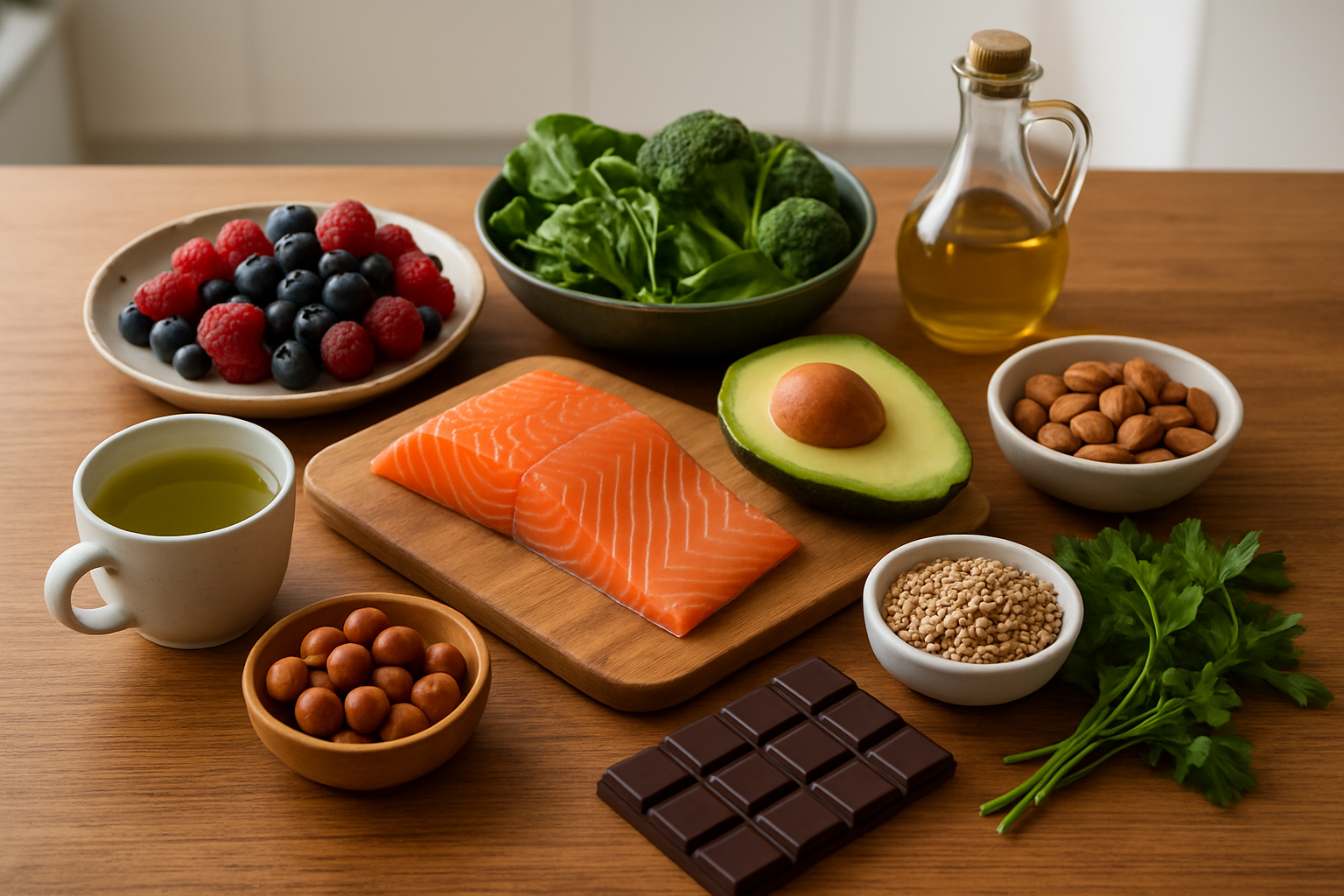
The science behind longevity nutrition comes down to giving your cells what they need while protecting them from what damages them most. From powerful antioxidants that fight cellular aging to anti-inflammatory foods that keep your body running smoothly, the right nutrients can literally slow down your biological clock. Key micronutrients like NAD+ precursors, omega-3 fatty acids, and polyphenols work together to activate your body’s natural repair systems and keep your energy levels high.
Making these changes doesn’t have to be overwhelming. Start by cutting out the biggest aging accelerators like processed foods, excess sugar, and trans fats, then gradually add more colorful vegetables, quality proteins, and healthy fats to your daily meals. The eating patterns that support longevity – like intermittent fasting and Mediterranean-style diets – can become second nature with practice. Your future self will thank you for every nutrient-dense meal you choose today, because the path to a longer, healthier life starts with what’s on your plate right now.