
Stress relief strategies
Feeling overwhelmed by daily pressures? You’re not alone. Millions of people struggle with stress, but the good news is that effective stress relief techniques can help you regain control and feel more balanced.
This guide is for anyone dealing with work pressure, family demands, financial worries, or life changes who wants practical solutions that actually work. Whether you’re a busy professional, overwhelmed parent, student facing deadlines, or someone going through a tough time, you’ll find actionable strategies here.
We’ll walk through how to spot your personal stress triggers so you know what sets you off before it spirals. You’ll learn immediate stress relief methods you can use anywhere – from breathing exercises to quick mental resets that work in under five minutes. Finally, we’ll cover how to build long-term stress management habits that stick, including simple daily practices and ways to create a calmer environment at home and work.
Ready to feel more in control? Let’s dive into these proven stress management strategies.
Identify Your Personal Stress Triggers

Recognize Physical Warning Signs in Your Body
Your body sends clear signals when stress levels rise, often before your mind catches up. Learning to read these early warning signs helps you address stress before it becomes overwhelming. Common physical indicators include tension headaches, tight shoulders, clenched jaw muscles, and changes in breathing patterns. Many people also experience stomach discomfort, rapid heartbeat, or sudden fatigue when stress peaks.
Pay attention to subtle changes like fidgeting, nail-biting, or grinding your teeth. Sleep disruptions, appetite changes, and frequent illness can also signal chronic stress. Keep a simple body scan routine – spend two minutes each morning checking in with different parts of your body, noting any unusual tension or discomfort.
Track Emotional Patterns and Mood Changes
Emotional stress triggers often follow predictable patterns that become easier to manage once identified. Start by noting when you feel irritable, anxious, overwhelmed, or unusually sad. Look for connections between specific situations and your emotional responses.
Create a basic mood tracker using your phone or a simple notebook. Rate your stress level from 1-10 at three different times each day, noting what happened before any significant spikes. Common emotional warning signs include:
Feeling easily frustrated by minor inconveniences
Experiencing mood swings without clear reasons
Having trouble concentrating or making decisions
Feeling disconnected from activities you usually enjoy
Noticing increased cynicism or negative thinking
Assess Work-Related Pressure Points
Workplace stress often stems from specific, identifiable sources that you can address with targeted stress management strategies. Heavy workloads, tight deadlines, and unclear expectations create pressure that builds throughout the day. Poor communication with supervisors or colleagues, lack of control over your schedule, and feeling undervalued contribute to chronic work stress.
Evaluate your typical workday by asking yourself these questions:
Which tasks consistently drain your energy?
When do you feel most anxious or pressured?
What workplace interactions leave you feeling stressed?
Are your responsibilities clearly defined?
Do you have adequate resources to complete your work effectively?
Document specific situations that trigger stress responses. This might include certain meetings, particular coworkers, or specific types of projects. Understanding these personal stress triggers allows you to develop coping strategies before problems escalate.
Evaluate Relationship and Social Stressors
Social relationships significantly impact your stress levels, both positively and negatively. Difficult family dynamics, conflict with friends, or feeling isolated from your social network can create ongoing tension. Sometimes the people closest to you unknowingly contribute to your stress through criticism, unrealistic expectations, or emotional demands.
Consider which relationships energize you versus those that leave you feeling drained. Notice patterns around social obligations – do certain events or gatherings consistently increase your anxiety? Family gatherings, social media interactions, or feeling pressured to maintain appearances can all trigger stress responses.
Look at your communication patterns too. Do you struggle to set boundaries, say no to requests, or express your needs clearly? These communication challenges often create ongoing relationship stress that affects other areas of your life.
Master Quick Relief Techniques for Immediate Results
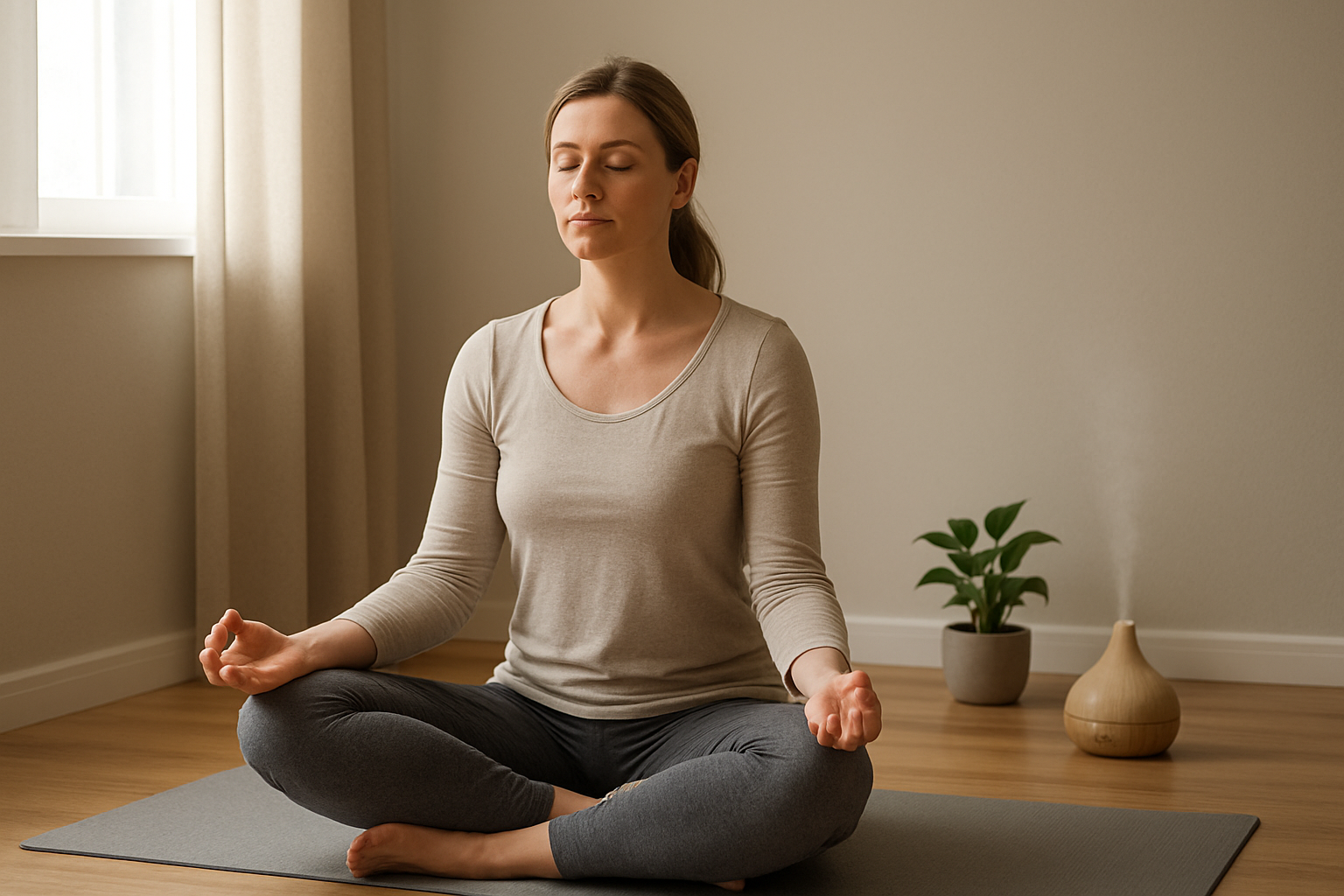
Practice deep breathing exercises for instant calm
When stress hits hard, your breath becomes shallow and rapid, sending your nervous system into overdrive. Deep breathing exercises serve as your emergency brake, activating the parasympathetic nervous system and delivering immediate stress relief methods that work within minutes.
The 4-7-8 technique stands out as one of the most effective stress relief techniques for quick results. Inhale through your nose for 4 counts, hold your breath for 7 counts, then exhale slowly through your mouth for 8 counts. This pattern slows your heart rate and signals your brain to release calming chemicals. Practice this three times whenever anxiety peaks.
Box breathing offers another powerful approach. Visualize drawing a square while breathing: inhale for 4 counts, hold for 4, exhale for 4, hold empty for 4. Navy SEALs use this method to stay calm under extreme pressure, making it perfect for high-stress moments at work or home.
Diaphragmatic breathing targets the root of shallow breathing habits. Place one hand on your chest, another on your belly. Breathe so only the lower hand moves, ensuring you’re engaging your diaphragm fully. This technique increases oxygen flow and immediately reduces cortisol levels.
Use progressive muscle relaxation methods
Progressive muscle relaxation (PMR) transforms physical tension into deep relaxation by systematically tensing and releasing muscle groups. This stress management strategy works because it teaches your body to recognize the difference between tension and relaxation, giving you conscious control over stress responses.
Start with your toes, tensing them tightly for 5 seconds, then releasing completely. Notice the contrast between tension and relaxation. Move systematically through your body: feet, calves, thighs, glutes, abdomen, hands, arms, shoulders, neck, and face. Each muscle group gets the same treatment – tense, hold, release, and observe.
The beauty of PMR lies in its immediate effectiveness. Within 10-15 minutes, you can achieve the relaxation equivalent of an hour’s nap. Your blood pressure drops, muscle tension disappears, and mental clarity returns. This technique works exceptionally well before bed, helping insomniacs fall asleep faster.
Quick PMR variations work when time is limited. Focus on major tension areas like shoulders and jaw, or use the “lemon technique” – imagine squeezing lemons with your hands and face, then dropping them completely. Even 2-3 minutes of targeted muscle release can reset your stress levels.
Apply mindfulness meditation for present moment awareness
Mindfulness meditation cuts through stress by anchoring your attention to the present moment, breaking the cycle of anxious thoughts about the future or regrets about the past. This practice rewires your brain’s response to stress, creating lasting changes in how you handle challenging situations.
The STOP technique provides instant mindfulness relief: Stop what you’re doing, Take a breath, Observe your thoughts and feelings without judgment, Proceed with awareness. This four-step process takes less than a minute but instantly shifts your mental state from reactive to responsive.
Body scan meditation offers deeper present-moment awareness. Close your eyes and mentally scan from head to toe, noticing sensations without trying to change them. Tension in your shoulders, warmth in your hands, pressure in your chest – simply observe. This practice develops the skill of witnessing stress rather than being consumed by it.
Five-senses grounding brings immediate relief during panic or overwhelm. Name 5 things you can see, 4 you can touch, 3 you can hear, 2 you can smell, and 1 you can taste. This technique pulls your mind away from stress spirals and grounds you firmly in reality.
Regular mindfulness practice, even just 5 minutes daily, builds resilience against future stress while providing immediate relief when practiced during difficult moments.
Build Long-Term Stress Management Habits
Establish consistent sleep routines for better recovery
Quality sleep serves as your body’s natural reset button, making it one of the most powerful long-term stress management strategies available. Creating a consistent sleep schedule helps regulate your circadian rhythm, which directly impacts your ability to handle daily stressors.
Start by setting a fixed bedtime and wake time, even on weekends. Your body thrives on predictability, and this routine helps optimize hormone production that controls stress responses. Aim for 7-9 hours of sleep nightly, as sleep deprivation amplifies stress hormones like cortisol.
Design a pre-sleep ritual that signals your brain it’s time to wind down. This might include dimming lights an hour before bed, avoiding screens, or practicing gentle stretches. Keep your bedroom cool (65-68°F), dark, and quiet to create optimal sleeping conditions.
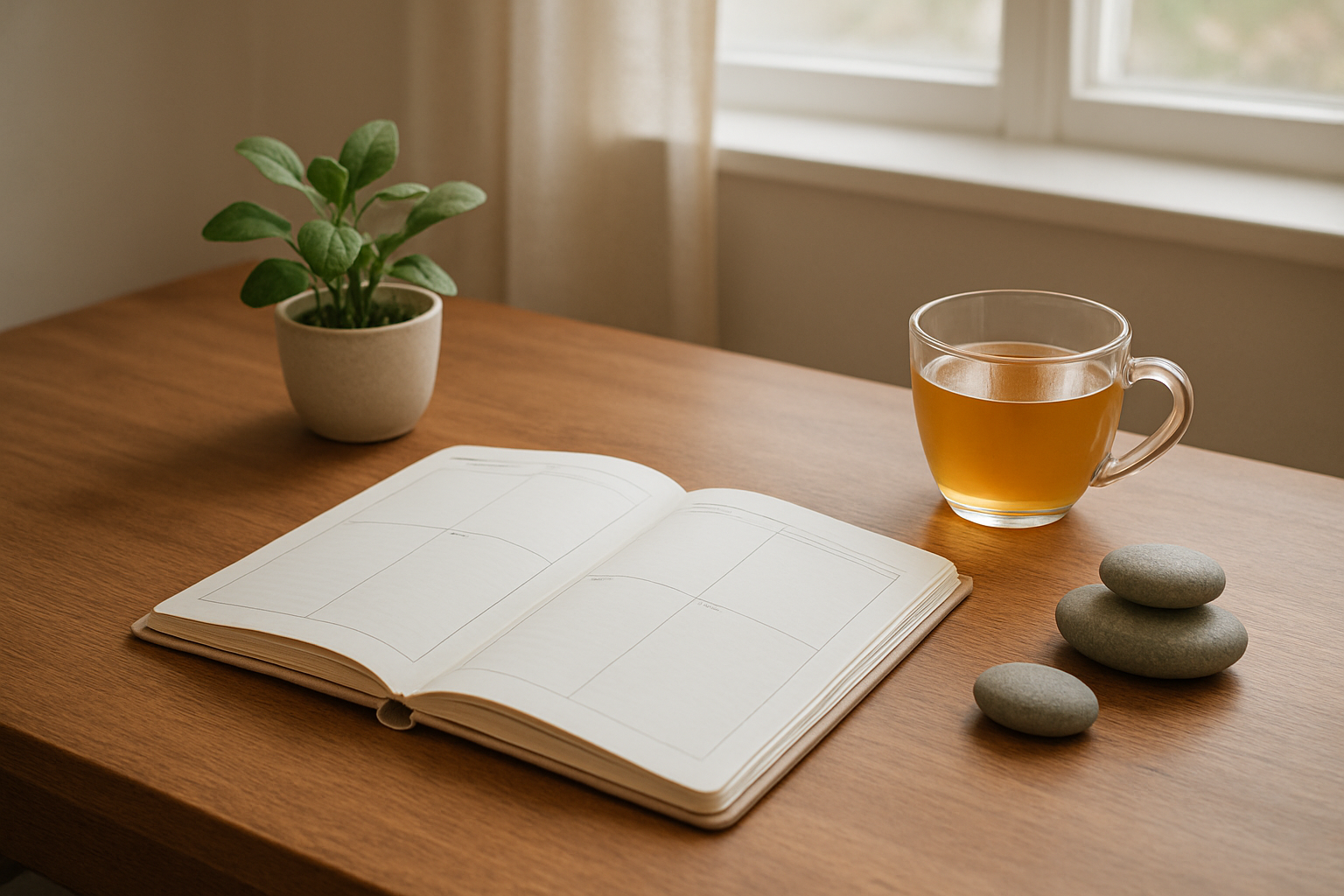
If racing thoughts keep you awake, try the “brain dump” technique – write down tomorrow’s tasks or worries in a notebook beside your bed. This simple practice helps clear your mind and reduces middle-of-the-night anxiety.
Create regular exercise schedules to boost endorphins
Physical activity acts as a natural stress reliever by releasing endorphins – your body’s feel-good chemicals that combat stress hormones. The key lies in consistency rather than intensity. Regular moderate exercise proves more effective for stress reduction habits than sporadic intense workouts.
Schedule your workouts like important appointments. Whether it’s a 20-minute morning walk, lunchtime yoga session, or evening bike ride, consistency builds momentum. Start small with activities you genuinely enjoy – dancing, hiking, swimming, or even gardening all count as stress-busting exercise.
Create backup plans for busy days. Keep resistance bands at your desk for quick stretching sessions or download a fitness app for 10-minute home workouts. The goal is maintaining movement even when your schedule feels overwhelming.
Track your mood before and after exercise sessions. You’ll likely notice improved energy, clearer thinking, and better emotional regulation – powerful motivation to maintain your routine.
Develop healthy eating patterns to support mental wellness
Your brain requires steady fuel to manage stress effectively, making nutrition a cornerstone of stress management strategies. Blood sugar spikes and crashes directly impact your mood and stress response, so maintaining stable energy levels through mindful eating becomes crucial.
Focus on balanced meals that combine protein, healthy fats, and complex carbohydrates. This combination provides sustained energy and helps regulate neurotransmitters that control mood and stress responses. Include omega-3 rich foods like salmon, walnuts, and flaxseeds, which research shows can reduce anxiety and depression.
Plan and prep meals ahead of time to avoid stress-induced food choices. When you’re overwhelmed, you’re more likely to reach for processed comfort foods that actually increase stress in the long run. Having healthy options readily available removes decision fatigue from your day.
Stay hydrated throughout the day, as even mild dehydration can elevate cortisol levels and increase feelings of anxiety. Limit caffeine after 2 PM, as it can interfere with sleep quality and increase jittery feelings.
Set clear boundaries between work and personal time
Blurred lines between work and personal life create chronic stress that accumulates over time. Establishing firm boundaries protects your mental health and prevents burnout from seeping into every aspect of your life.
Create physical and digital boundaries around your workspace. If you work from home, designate a specific area for work activities and avoid using that space for relaxation. Turn off work notifications after hours and resist the urge to check emails before bed or first thing in the morning.
Communicate your availability clearly to colleagues and clients. Set specific hours for responding to messages and stick to them. Most “urgent” requests can actually wait until business hours, and training others to respect your boundaries reduces long-term stress for everyone.
Develop transition rituals that help you shift from work mode to personal time. This might include changing clothes, taking a short walk, or spending five minutes in meditation. These small acts signal to your brain that work time has ended.
Practice time management skills to reduce overwhelm
Poor time management creates a constant state of urgency that keeps your stress response system activated. Learning to manage your time effectively provides a sense of control that naturally reduces anxiety and overwhelm.
Use time-blocking techniques to allocate specific periods for different activities. This prevents tasks from expanding beyond their necessary timeframes and helps you maintain realistic expectations about what you can accomplish in a day.
Learn to prioritize using the “important vs. urgent” matrix. Focus your energy on important tasks before they become urgent crises. This proactive approach prevents the last-minute scrambling that generates unnecessary stress.
Build buffer time into your schedule for unexpected interruptions or tasks that run longer than expected. Rushing from one commitment to the next keeps your nervous system in a heightened state, while having breathing room between activities allows for natural stress recovery.
Practice saying “no” to commitments that don’t align with your priorities or values. Every “yes” to one thing is a “no” to something else, so choose consciously rather than defaulting to people-pleasing behaviors that create resentment and overwhelm.
Transform Your Environment for Maximum Calm

Design Peaceful Spaces in Your Home and Workspace
Your physical surroundings play a huge role in how stressed or relaxed you feel throughout the day. Start by choosing one room in your home that will be your designated calm zone. This could be your bedroom, a corner of your living room, or even a small nook by a window. The key is consistency – once you pick your space, commit to keeping it peaceful.
Choose colors that make you feel at ease. Soft blues, gentle greens, and warm neutrals work well for most people, but trust your instincts about what feels right. Add comfortable seating like a cushioned chair or floor pillows where you can sit and breathe deeply. Keep this area free from work materials, bills, or anything that reminds you of daily stressors.
Your workspace needs attention too. Even if you’re stuck in a cubicle or shared office, you can create small pockets of calm. Position your desk to face away from high-traffic areas when possible. Add a small plant, keep a stress ball within reach, or place a photo that makes you smile where you can see it easily.
Minimize Clutter and Distractions Around You
Clutter creates mental noise, even when you’re not consciously aware of it. Your brain processes everything in your visual field, and a messy environment sends signals that there’s work to be done. This constant background stress adds up over time and makes it harder to relax.
Start small – pick one drawer, one shelf, or one corner of a room. Sort through everything and ask yourself: Do I use this regularly? Does it bring me joy or serve a purpose? If the answer is no, it’s time to let it go. Don’t try to declutter your entire home in one weekend. That approach usually backfires and creates more stress.
Create simple systems to prevent clutter from building up again. Designate specific homes for everyday items like keys, mail, and charging cables. Spend five minutes each evening putting things back where they belong. This small habit prevents the overwhelming buildup that requires major cleaning sessions.
Digital clutter counts too. Organize your computer desktop, delete old files you don’t need, and turn off non-essential notifications on your phone. Each ping and alert pulls your attention away from whatever you’re doing and triggers a small stress response.
Incorporate Nature Elements and Natural Light
Bringing nature indoors is one of the most effective stress relief techniques you can use in your environment. Studies show that even looking at plants can lower your blood pressure and reduce cortisol levels. You don’t need to become a master gardener – start with low-maintenance options like snake plants, pothos, or succulents.
Position plants where you spend the most time. A small plant on your desk, a larger one in your living room corner, or herbs on your kitchen windowsill all work well. If you travel frequently or have trouble keeping plants alive, high-quality artificial plants can provide similar visual benefits.
Natural light makes a massive difference in how you feel. Open your blinds and curtains during the day, even if it’s cloudy outside. Natural light helps regulate your circadian rhythm and boosts your mood. If your space lacks windows, consider getting a light therapy lamp, especially during darker winter months.
When natural light isn’t available, choose warm, soft lighting over harsh fluorescent bulbs. Table lamps and floor lamps create a more relaxing atmosphere than overhead lighting. Candles work wonderfully for evening relaxation, but battery-operated flameless versions are safer if you tend to forget about them.
Add natural textures and materials where possible. A wooden picture frame, a stone coaster, or a bamboo mat can help create that connection to nature. These elements don’t have to be expensive – even a smooth river rock on your desk can serve as a tactile stress reliever when you need to ground yourself.
Strengthen Your Support Network and Resources

Build meaningful connections with family and friends
Strong relationships act as natural stress buffers, providing emotional support when life gets overwhelming. Research shows that people with solid social connections experience lower cortisol levels and recover from stressful situations more quickly. Start by reaching out to one person each week – whether that’s scheduling a coffee date with a friend or having a meaningful phone conversation with a family member.
Quality matters more than quantity when building your stress support network. Focus on relationships where you can be authentic and vulnerable. Share your challenges openly with trusted loved ones, and don’t hesitate to ask for specific help when you need it. Sometimes just talking through your problems with someone who listens without judgment can dramatically reduce stress levels.
Make time for regular social activities, even when you’re busy. This might mean joining a weekly dinner group, organizing monthly game nights, or simply taking walks with friends. These consistent touchpoints create stability and give you something positive to look forward to during tough times.
Seek professional help when stress becomes overwhelming
Recognizing when stress has moved beyond normal levels is crucial for your mental health. If you’re experiencing persistent sleep problems, changes in appetite, difficulty concentrating, or physical symptoms like headaches and muscle tension that won’t go away, it’s time to consider professional support.
Therapists specializing in stress management strategies can teach you personalized coping techniques and help identify patterns you might not see on your own. Cognitive-behavioral therapy, in particular, has proven effective for developing long-term stress management skills. Many therapists now offer online sessions, making professional help more accessible than ever.
Don’t wait until you’re at a breaking point. Early intervention prevents stress from snowballing into more serious mental health issues. Your primary care doctor can also be a valuable resource, as they can rule out medical causes for your stress symptoms and provide referrals to mental health professionals.
Join support groups or stress management programs
Support groups create a unique environment where you can connect with others facing similar challenges. Whether you’re dealing with work-related stress, caregiving responsibilities, or major life transitions, there’s likely a group that understands your specific situation.
Look for local community centers, hospitals, and mental health organizations that offer stress management programs. These structured programs often combine education about stress physiology with practical stress relief techniques like deep breathing exercises and progressive muscle relaxation. Many programs also include homework assignments that help you practice new skills between sessions.
Online support communities can be equally valuable, especially if your schedule makes in-person meetings difficult. Platforms like Reddit, Facebook groups, and specialized forums allow you to connect with people worldwide who share similar stressors. The key is finding groups that focus on constructive problem-solving rather than just venting.
Use technology and apps for guided stress relief
Modern technology offers powerful tools for immediate stress relief methods. Apps like Headspace, Calm, and Insight Timer provide guided meditations specifically designed for different types of stress. Many offer short 3-5 minute sessions perfect for quick relief during busy workdays.
Breathing apps like Breathe or Box Breathing can guide you through proven stress relief techniques using visual cues and timing. These are particularly helpful when you’re too overwhelmed to remember proper breathing patterns on your own. Some apps even send gentle reminders throughout the day to check in with your stress levels.
Wearable devices can track your heart rate variability and stress patterns, giving you real-time feedback about your body’s responses. This data helps you identify which stress relief tips work best for your unique physiology and when you need to take action before stress peaks.
Consider apps that combine multiple approaches – some offer everything from sleep stories and nature sounds to progressive muscle relaxation guides and stress tracking journals. Having a variety of tools at your fingertips means you can choose the right intervention for whatever type of stress you’re experiencing in the moment.
Finding the right stress relief strategy starts with knowing what sets you off in the first place. Once you understand your personal triggers, you can build a toolkit of quick techniques that work when pressure mounts, like deep breathing or taking a short walk. The real game-changer comes from developing daily habits that keep stress from building up, whether that’s regular exercise, meditation, or simply setting better boundaries with your time.
Your surroundings and relationships play a huge role in how well you handle stress too. Small changes to your workspace or home can create a more peaceful atmosphere, while having solid connections with family, friends, or support groups gives you people to lean on when things get tough. Start small, pick one or two strategies that feel doable, and give yourself time to make them stick. Managing stress isn’t about perfection – it’s about having the right tools ready when you need them most.