


Anti Aging Super Foods

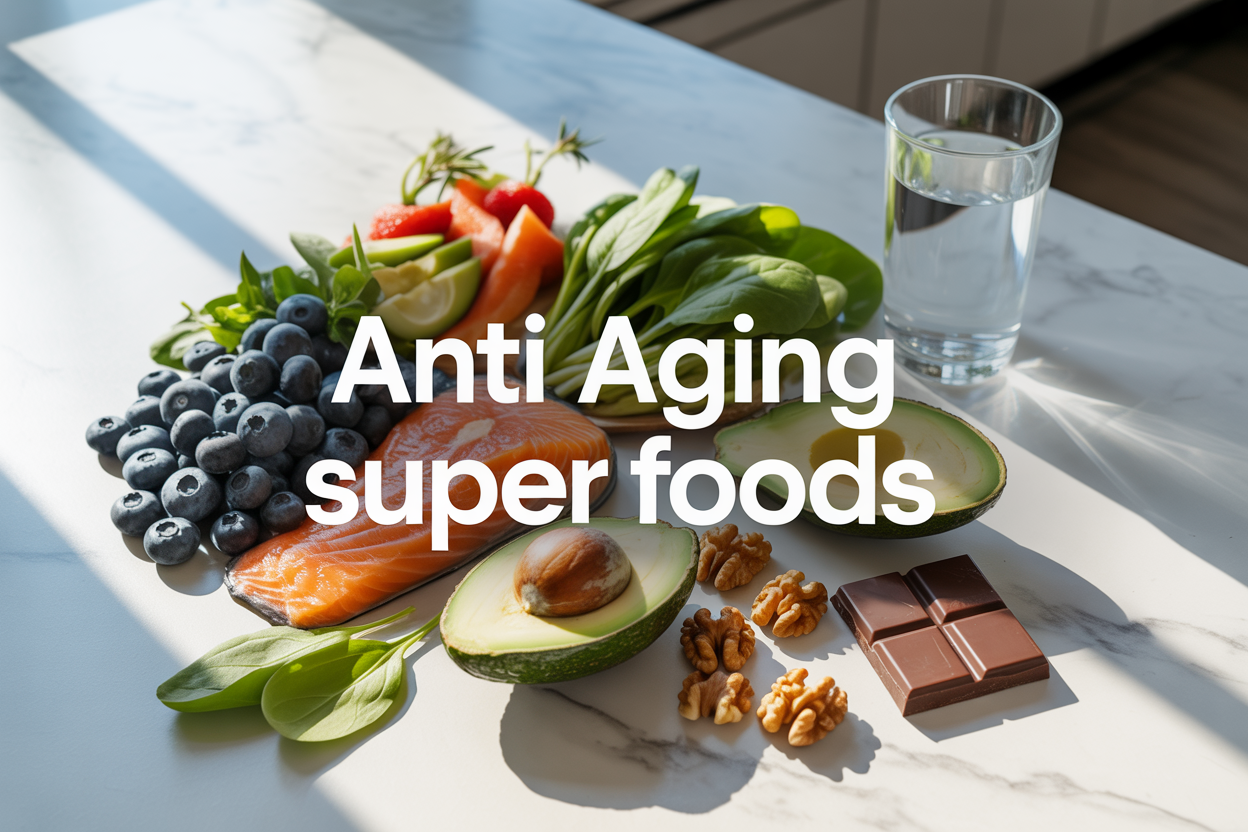
Your skin, brain, and energy levels don’t have to decline with each birthday. Anti aging foods can slow down the aging process and help you look and feel younger from the inside out.
This guide is for anyone who wants to age gracefully without expensive treatments or complicated routines. You’ll discover how simple dietary changes can boost your vitality and keep you looking your best.
We’ll explore the science behind anti aging nutrition and why certain nutrients fight cellular damage better than others. You’ll learn about the top antioxidant rich foods that give you glowing, youthful skin naturally. We’ll also cover omega 3 foods for brain health that keep your mind sharp and your heart strong, plus the best protein sources for maintaining muscle mass as you age.
Ready to turn your kitchen into your personal fountain of youth? Let’s dive into the superfoods for anti aging that will transform how you look and feel.
Science Behind Anti-Aging Nutrition

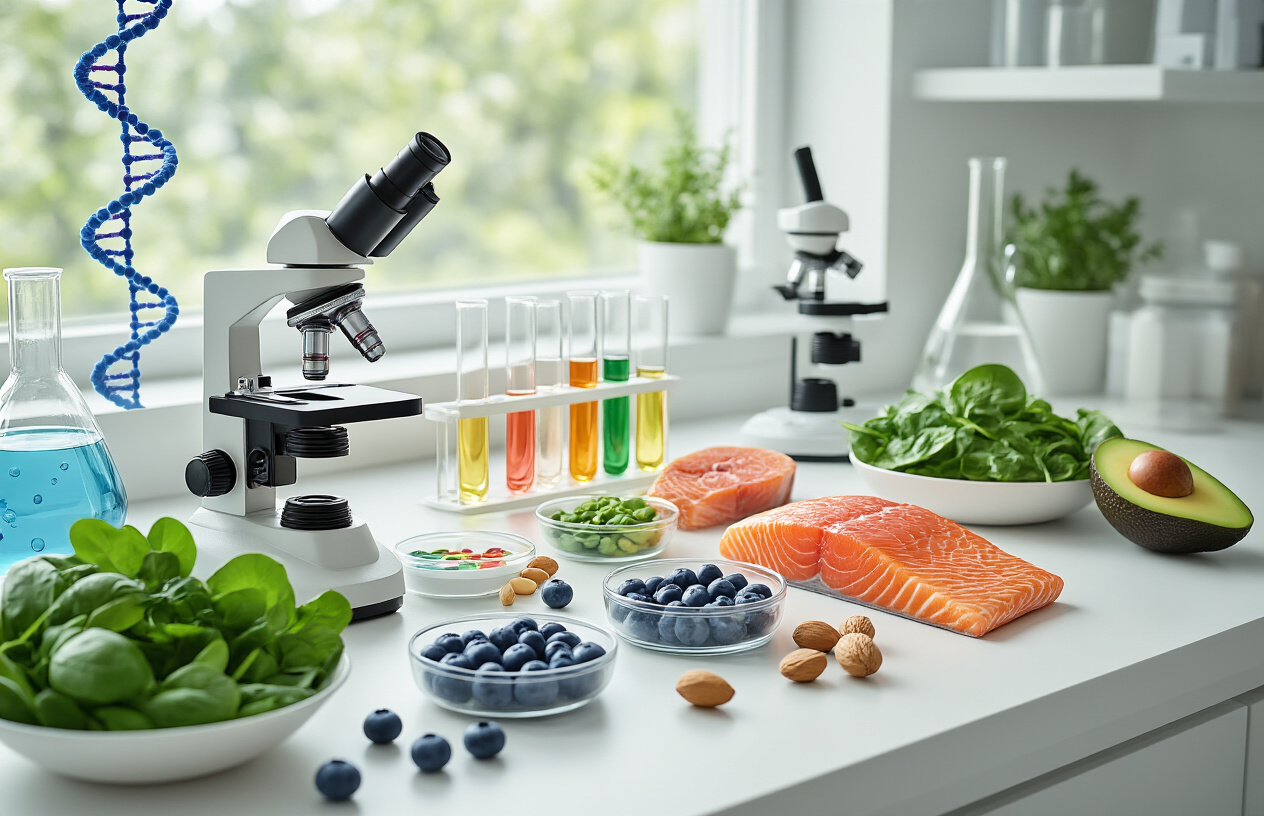
Free radicals are unstable molecules that wreak havoc on your cells, essentially causing your body to rust from the inside out. These molecular troublemakers steal electrons from healthy cells, creating a domino effect of cellular damage that accelerates aging. Your body produces free radicals naturally through normal metabolic processes, but external factors like UV radiation, pollution, stress, and processed foods dramatically increase their production.
When free radicals outnumber your body’s natural defenses, oxidative stress occurs. This imbalance damages collagen and elastin fibers in your skin, leading to wrinkles, fine lines, and sagging. The damage extends beyond appearance – free radicals attack DNA, proteins, and cellular membranes throughout your body, contributing to age-related diseases and cognitive decline.
Role of Antioxidants in Cellular Protection
Antioxidants serve as your body’s personal bodyguards against free radical damage. These powerful compounds neutralize free radicals by donating electrons without becoming unstable themselves, effectively breaking the chain reaction of cellular destruction. Anti aging foods rich in antioxidants become your dietary armor against premature aging.
Different antioxidants protect different parts of your cells:
Vitamin C rebuilds collagen and protects water-soluble areas
Vitamin E guards cell membranes from lipid oxidation
Beta-carotene shields skin from UV damage
Selenium supports glutathione production, your body’s master antioxidant
Polyphenols from berries and dark leafy greens provide broad-spectrum protection
The most effective anti aging nutrition strategy involves consuming a variety of antioxidant rich foods rather than relying on single compounds. This creates a synergistic effect where different antioxidants work together, regenerating each other and providing comprehensive cellular protection.
Impact of Inflammation on Skin and Body Aging
Chronic inflammation acts like a slow-burning fire inside your body, accelerating aging at the cellular level. Unlike acute inflammation that helps heal injuries, chronic inflammation persists for months or years, constantly triggering your immune system and producing inflammatory molecules that damage healthy tissues.
This persistent inflammatory state breaks down collagen faster than your body can replace it, leading to premature skin aging. Inflammatory markers like C-reactive protein and interleukin-6 increase with age, creating a cycle where inflammation causes aging, and aging promotes more inflammation.
Superfoods for anti aging specifically target inflammatory pathways. Omega-3 fatty acids from fatty fish reduce pro-inflammatory prostaglandins, while compounds in turmeric, berries, and leafy greens actively suppress inflammatory gene expression. Foods that reverse aging often work by cooling this internal fire through their anti-inflammatory properties.
Nutrient Absorption Changes with Age
Your body’s ability to extract and use nutrients from food declines with age, making smart food choices even more critical. Stomach acid production decreases, reducing your ability to absorb vitamin B12, iron, and calcium. The intestinal lining becomes less efficient at absorbing nutrients, while enzyme production slows down, affecting protein and fat digestion.
These changes mean that simply eating healthy foods isn’t enough – you need to optimize absorption. Pairing vitamin C-rich foods with iron sources enhances absorption, while consuming healthy fats with fat-soluble vitamins (A, D, E, K) improves uptake. Fermented foods support gut health and nutrient absorption, while avoiding processed foods reduces inflammation that interferes with nutrient utilization.
Understanding these age-related changes helps explain why anti aging meal planning becomes increasingly important as you get older. Your body needs more nutrient-dense foods to achieve the same protective effects it once got from smaller amounts.
Top Antioxidant-Rich Foods for Youthful Skin
Berries That Boost Collagen Production
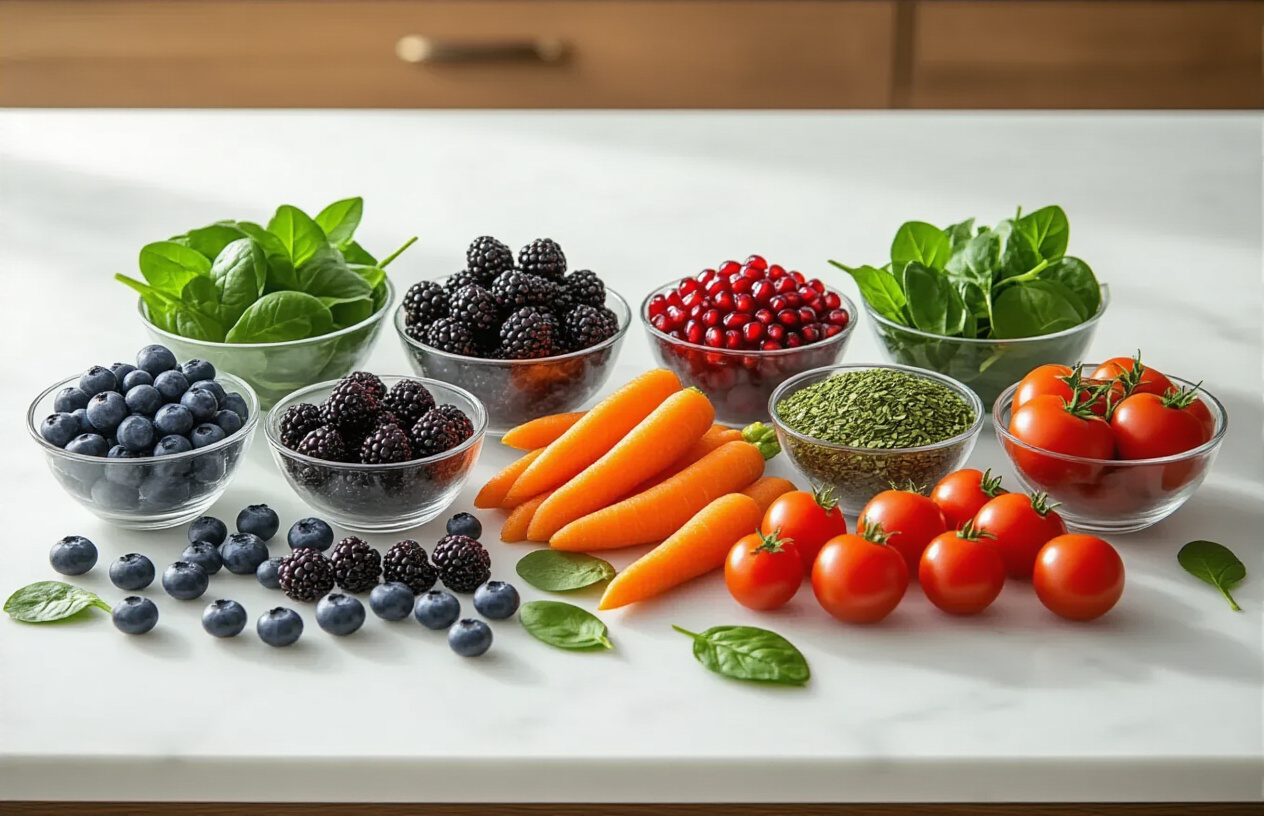
Blueberries, strawberries, and blackberries pack incredible anti aging foods power that directly supports your skin’s natural collagen factory. These tiny nutritional powerhouses contain anthocyanins, the compounds responsible for their vibrant colors, which actively protect existing collagen fibers from breaking down while encouraging new collagen synthesis.
Wild blueberries top the charts with their concentrated antioxidant levels, containing nearly double the antioxidants of regular blueberries. Just one cup delivers over 13,000 antioxidants that neutralize free radicals before they can damage your skin cells. Strawberries bring vitamin C to the party – eight medium strawberries provide more vitamin C than an orange, and vitamin C serves as collagen’s best friend, helping your body manufacture this crucial protein.
Raspberries offer unique benefits through their high ellagic acid content, which studies show can prevent collagen breakdown caused by UV exposure. Goji berries, while technically not berries botanically, deserve a spot on your anti aging nutrition list for their zeaxanthin content, which protects skin from environmental stressors.
Add frozen berries to smoothies, sprinkle fresh ones on yogurt, or blend them into homemade face masks for dual internal and external benefits. The natural sugars in berries won’t spike your blood sugar like processed sweets, making them perfect for maintaining steady energy while feeding your skin the antioxidant rich foods it craves.
Dark Leafy Greens for Cellular Repair
Spinach, kale, and Swiss chard work like internal mechanics, repairing cellular damage and providing the raw materials your skin needs for regeneration. These superfoods for anti aging contain folate, which supports DNA repair and helps create new, healthy cells to replace damaged ones.
Kale stands out with its impressive vitamin K content, which helps improve skin elasticity and reduces the appearance of dark circles under your eyes. One cup of raw kale delivers over 600% of your daily vitamin K needs, plus lutein and zeaxanthin that protect against photoaging. The chlorophyll in these greens acts like nature’s detoxifier, helping remove toxins that can accelerate aging.
Spinach brings iron and vitamin E to support healthy blood flow to your skin, ensuring nutrients reach every cell. Swiss chard provides magnesium, which helps activate over 300 enzyme systems in your body, including those responsible for collagen production and cellular repair.
| Green Vegetable | Key Anti-Aging Nutrient | Primary Benefit |
|---|---|---|
| Kale | Vitamin K | Improves elasticity |
| Spinach | Iron + Vitamin E | Enhances circulation |
| Swiss Chard | Magnesium | Activates repair enzymes |
| Arugula | Nitrates | Boosts blood flow |
Don’t limit yourself to salads – blend greens into smoothies, sauté them with garlic, or add them to soups and stews for maximum nutrient absorption.
Colorful Vegetables That Fight Age Spots
Orange, red, and purple vegetables contain specific compounds that target hyperpigmentation and age spots while preventing new ones from forming. Sweet potatoes, carrots, and bell peppers deliver beta-carotene, which your body converts to vitamin A – essential for skin cell turnover and preventing the buildup of dead skin that makes age spots more visible.
Red bell peppers contain more vitamin C than citrus fruits, plus capsanthin, a carotenoid that protects against UV-induced skin damage. Purple vegetables like eggplant and purple cabbage provide anthocyanins that strengthen capillary walls, improving circulation to help fade existing dark spots.
Tomatoes deserve special recognition for their lycopene content, which studies show can provide natural sun protection from within. Cooked tomatoes actually contain more bioavailable lycopene than raw ones, so tomato sauce, paste, and soup all count as best foods for youthful skin.
Orange vegetables like butternut squash and carrots provide alpha-carotene alongside beta-carotene, creating a powerful duo that protects skin DNA from damage while supporting the natural exfoliation process that helps fade age spots over time.
Yellow vegetables such as yellow bell peppers and summer squash contain lutein, which filters harmful blue light that can contribute to premature aging. Eating a rainbow of colorful vegetables ensures you get the full spectrum of protective compounds your skin needs to maintain its youthful appearance and even tone.
Omega-3 Powerhouses for Brain and Heart Health
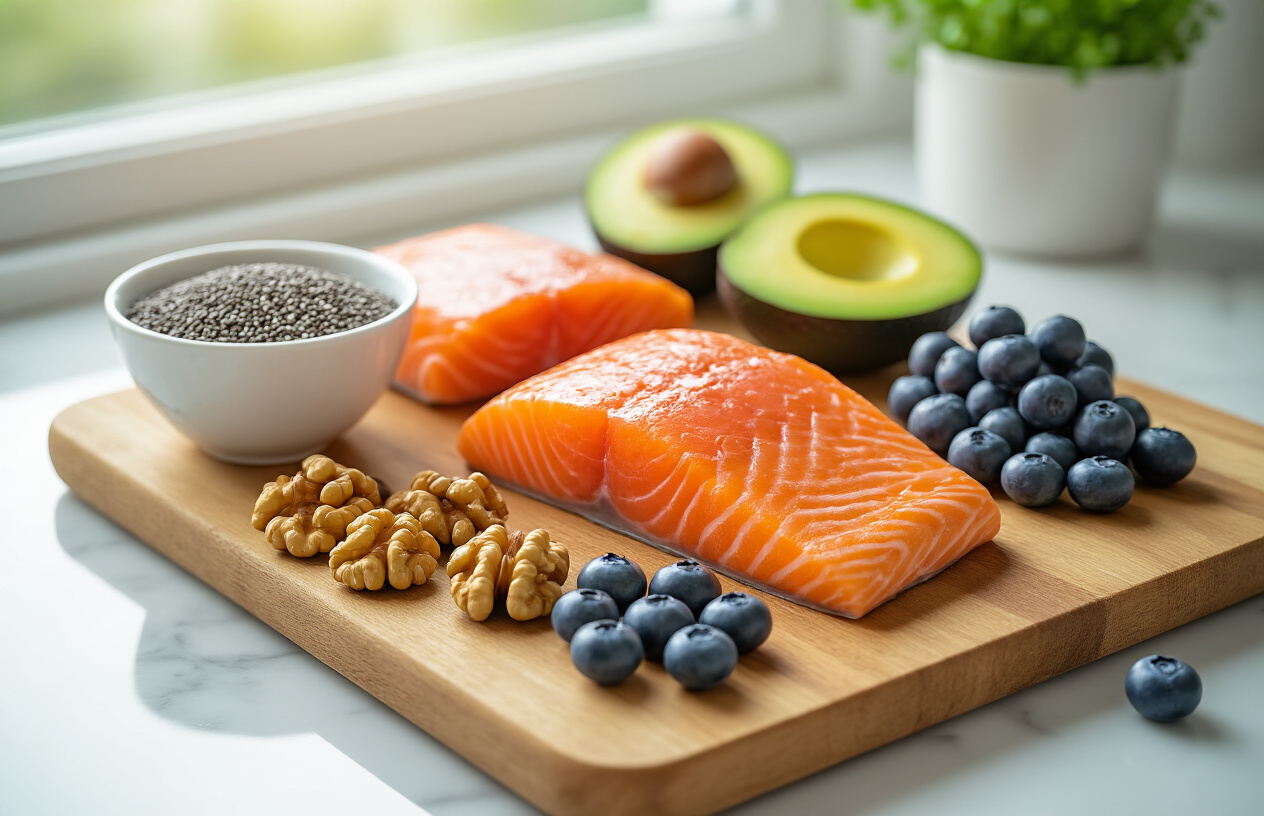
Salmon stands as the ultimate brain food, packed with DHA and EPA – the two most crucial omega-3 fatty acids for cognitive health. Wild-caught varieties contain higher concentrations than farmed fish, making them your best bet for maximum anti aging benefits. Just one 3.5-ounce serving delivers nearly 2,000mg of omega-3s.
Mackerel deserves a spot on your plate at least twice weekly. This oily fish contains more omega-3s per serving than most other seafood options, supporting memory formation and protecting against age-related cognitive decline. The smaller varieties like Atlantic mackerel are also lower in mercury.
Sardines pack incredible nutritional punch in their tiny frames. These omega 3 foods for brain health are also rich in vitamin D and calcium, creating a triple threat against aging. Canned sardines retain their nutritional value and offer convenient meal prep options.
Anchovies might seem intimidating, but they’re omega-3 goldmines. Add them to pasta dishes, pizzas, or Caesar salads for an instant brain boost. Their intense flavor means a little goes a long way.
Plant-Based Sources for Vegetarian Options
Chia seeds transform into gel-like consistency when soaked, making them perfect for puddings and smoothies. Two tablespoons provide about 5,000mg of ALA omega-3s, though your body converts only a small percentage to the active DHA and EPA forms.
Walnuts are nature’s brain-shaped superfood, containing the highest omega-3 content of any nut. A quarter-cup serving delivers significant ALA along with vitamin E and magnesium. Sprinkle them on salads, yogurt, or enjoy as a midday snack.
Flaxseeds require grinding to unlock their nutritional potential. Ground flaxseed meal mixes easily into smoothies, oatmeal, or baked goods. Store ground flaxseed in the refrigerator to prevent rancidity.
Hemp hearts offer complete protein alongside their omega-3 content. These nutty seeds blend well into smoothies or work as a crunchy salad topping. They don’t require soaking or grinding like other seeds.
Daily Intake Requirements for Maximum Benefits
Adults need 1,000-2,000mg of combined EPA and DHA daily for optimal anti aging nutrition benefits. This translates to eating fatty fish 2-3 times per week or taking a high-quality supplement.
Pregnant women require higher amounts – up to 2,600mg daily – to support fetal brain development. However, they should choose low-mercury fish options and consult healthcare providers about supplementation.
Plant-based eaters face conversion challenges since ALA omega-3s convert poorly to active forms. They may need 3-4 times more ALA or consider algae-based DHA supplements to meet requirements.
Athletes and people with inflammatory conditions often benefit from higher doses, sometimes up to 3,000mg daily. Start with standard recommendations and adjust based on results and professional guidance.
Signs Your Body Needs More Omega-3s
Dry, flaky skin often signals omega-3 deficiency. Your skin cells depend on these healthy fats to maintain moisture barriers and repair damage from environmental stressors.
Brain fog, poor concentration, and memory lapses can indicate insufficient omega-3 intake. These fats are literally building blocks for brain tissue and neurotransmitter production.
Joint stiffness and inflammation may improve with increased omega-3 consumption. These anti aging foods help reduce inflammatory markers throughout your body.
Mood swings, depression, or anxiety symptoms sometimes respond well to omega-3 supplementation. Research shows strong connections between these fatty acids and mental health stability.
Poor sleep quality and frequent infections can also suggest omega-3 deficiency. Your immune system relies on these fats for proper cell membrane function and inflammatory response regulation.
Protein Sources That Maintain Muscle Mass
Complete Proteins for Age-Related Muscle Loss
Protein foods for muscle maintenance become increasingly important as we age, with muscle mass naturally declining by 3-8% per decade after age 30. Complete proteins contain all nine essential amino acids your body needs to build and repair muscle tissue effectively.
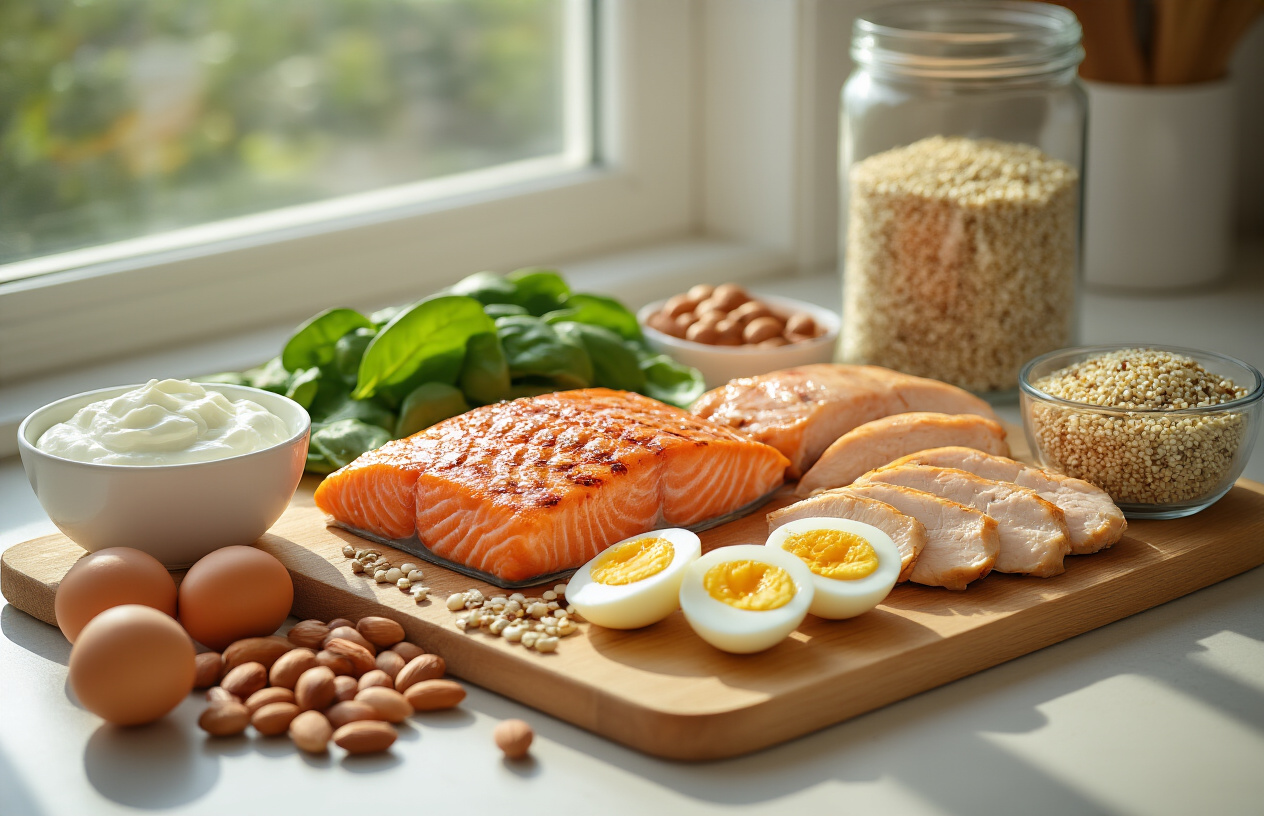
Eggs stand out as one of nature’s most perfect anti aging foods, offering complete protein in an easily digestible form. The leucine content in eggs triggers muscle protein synthesis, making them particularly valuable for maintaining strength as you age. Wild-caught salmon delivers not only complete protein but also anti-inflammatory omega-3 fatty acids that support muscle recovery.
Greek yogurt provides double the protein of regular yogurt, along with probiotics that enhance nutrient absorption. Choose grass-fed varieties when possible for higher omega-3 content. Lean poultry like chicken and turkey offer high-quality protein with minimal saturated fat, making them excellent choices for daily muscle maintenance.
| Complete Protein Source | Protein per 100g | Key Benefits |
|---|---|---|
| Eggs | 13g | High leucine, versatile |
| Wild Salmon | 25g | Omega-3s, B vitamins |
| Greek Yogurt | 10g | Probiotics, calcium |
| Chicken Breast | 31g | Low fat, high protein |
Collagen-Building Foods for Firm Skin
Collagen production naturally decreases by about 1% annually after age 25, making dietary support essential for maintaining skin elasticity and firmness. Bone broth represents one of the richest sources of collagen, providing amino acids like glycine and proline that your body uses to create new collagen fibers.
Vitamin C-rich foods work synergistically with protein to boost collagen synthesis. Bell peppers, citrus fruits, and strawberries provide the cofactors needed for proper collagen formation. Fish with edible bones, such as sardines and canned salmon, offer both collagen precursors and calcium for added anti aging nutrition benefits.
Foods that reverse aging at the cellular level include:
Bone broth (3-4 times weekly)
Grass-fed gelatin powder
Wild-caught fish with skin
Organ meats (liver, heart)
Egg whites for glycine content
Marine collagen from fish tends to be more bioavailable than bovine sources, making seafood an excellent choice for skin health. Cooking methods that preserve collagen, such as slow braising and making homemade stocks, maximize the anti-aging benefits of these protein sources.
Plant Proteins That Support Longevity
Plant-based proteins offer unique longevity benefits beyond muscle maintenance, including phytonutrients that combat cellular aging and reduce inflammation. Legumes like lentils, chickpeas, and black beans provide complete proteins when combined with whole grains, plus fiber that supports healthy gut bacteria linked to longevity.
Quinoa stands alone as a complete plant protein, containing all essential amino acids plus minerals like magnesium and iron. This ancient grain also provides antioxidants called saponins that may protect against age-related diseases. Hemp seeds deliver complete protein along with the ideal ratio of omega-3 to omega-6 fatty acids for reducing inflammation.
Superfoods for anti aging in the plant protein category include:
Spirulina and chlorella (60% protein by weight)
Nutritional yeast (rich in B-vitamins)
Pumpkin seeds (magnesium and zinc)
Chia seeds (omega-3s and fiber)
Tempeh (fermented for better absorption)
Nuts and seeds provide not only protein but also healthy fats and vitamin E that protect cell membranes from oxidative damage. Almonds, walnuts, and sunflower seeds can be easily incorporated into meals and snacks. The combination of plant proteins with their naturally occurring antioxidants creates a powerful anti-aging effect that animal proteins alone cannot provide.
Fermented plant proteins like tempeh and miso offer additional benefits through probiotics that support gut health and nutrient absorption, creating a foundation for healthy aging from the inside out.
Hydrating Foods That Plump Skin Naturally
Water-Rich Fruits for Internal Hydration
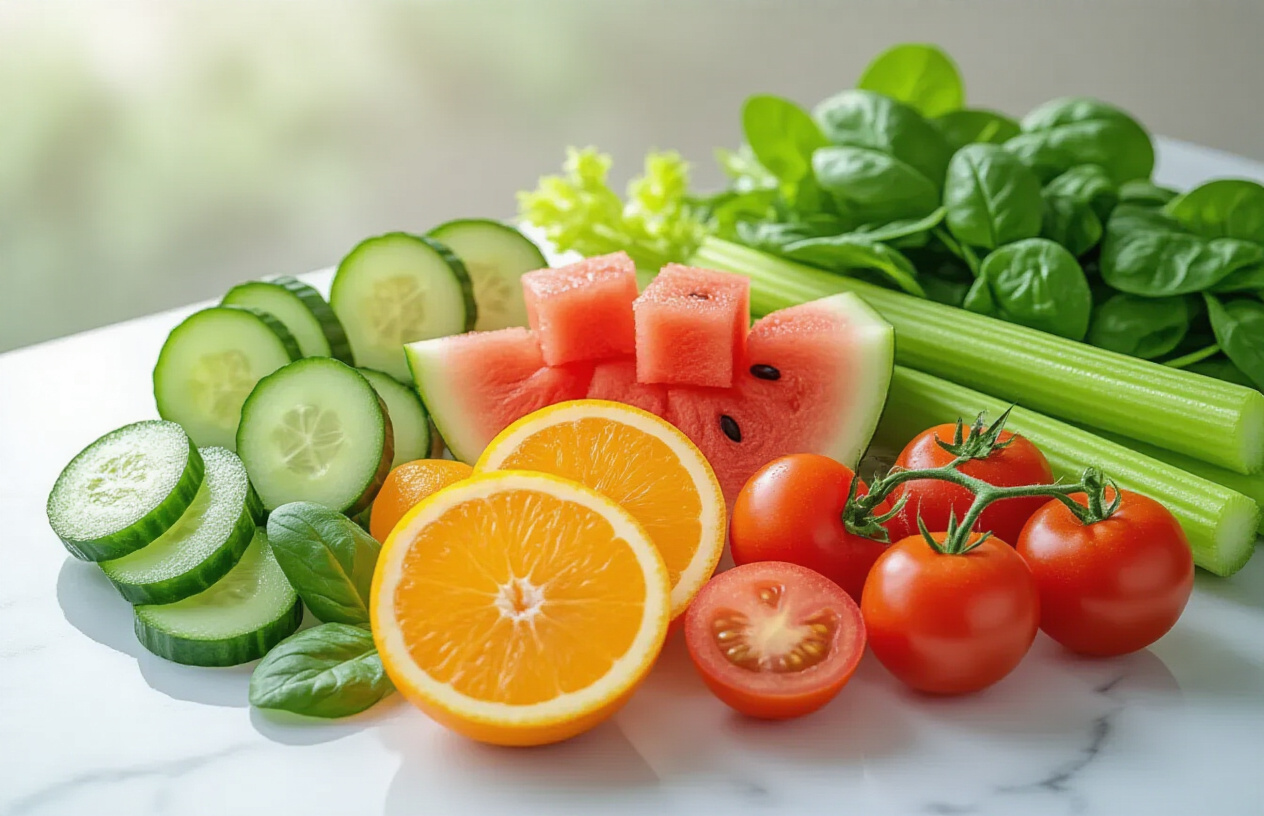
Watermelon leads the pack when it comes to hydrating foods for skin, containing over 90% water while delivering lycopene, a powerful antioxidant that protects against UV damage. Cucumber follows closely with 96% water content, plus silica that strengthens connective tissues and promotes skin elasticity. Strawberries pack a double punch – high water content combined with vitamin C that boosts collagen production for plumper, more youthful skin.
Citrus fruits like oranges and grapefruits provide exceptional hydration alongside flavonoids that improve circulation and deliver nutrients to skin cells. Cantaloupe offers beta-carotene, which converts to vitamin A for cellular repair, while honeydew provides potassium that helps maintain proper fluid balance in skin cells.
Vegetables That Boost Skin Moisture
Leafy greens like spinach and kale contain high water levels plus folate, which supports cellular regeneration and maintains skin barrier function. Bell peppers deliver both hydration and vitamin C – red peppers contain three times more vitamin C than oranges, making them superstar anti aging foods.
Tomatoes provide lycopene and water while supporting skin’s natural SPF protection. Celery offers sodium and potassium that help regulate fluid balance, while zucchini delivers silica for improved skin texture. Radishes and lettuce varieties contribute significant water content with minimal calories, perfect for anti aging meal planning.
Herbal Teas with Anti-Aging Properties
Green tea stands out as the ultimate hydrating beverage with powerful EGCG antioxidants that combat free radical damage and reduce inflammation. White tea contains even higher antioxidant levels, making it one of the most potent antioxidant rich foods in liquid form.
Rooibos tea provides minerals like zinc and calcium without caffeine, supporting overnight skin repair. Hibiscus tea offers vitamin C and anthocyanins that boost collagen synthesis. Chamomile tea reduces cortisol levels, which can accelerate aging, while providing gentle hydration and anti-inflammatory compounds.
Foods That Help Retain Natural Hyaluronic Acid
Bone broth contains collagen precursors and amino acids that support hyaluronic acid production naturally. Sweet potatoes provide vitamin A, which regulates hyaluronic acid synthesis in skin cells. Soy products like edamame contain isoflavones that help maintain skin moisture by supporting natural hyaluronic acid levels.
Citrus fruits provide vitamin C, essential for hyaluronic acid formation, while leafy greens offer folate that supports this process. Nuts and seeds, particularly sunflower seeds, contain vitamin E that protects existing hyaluronic acid from degradation, helping skin maintain its natural moisture-binding capacity longer.
Meal Planning Strategies for Anti-Aging Success
Creating Balanced Anti-Aging Meal Plans
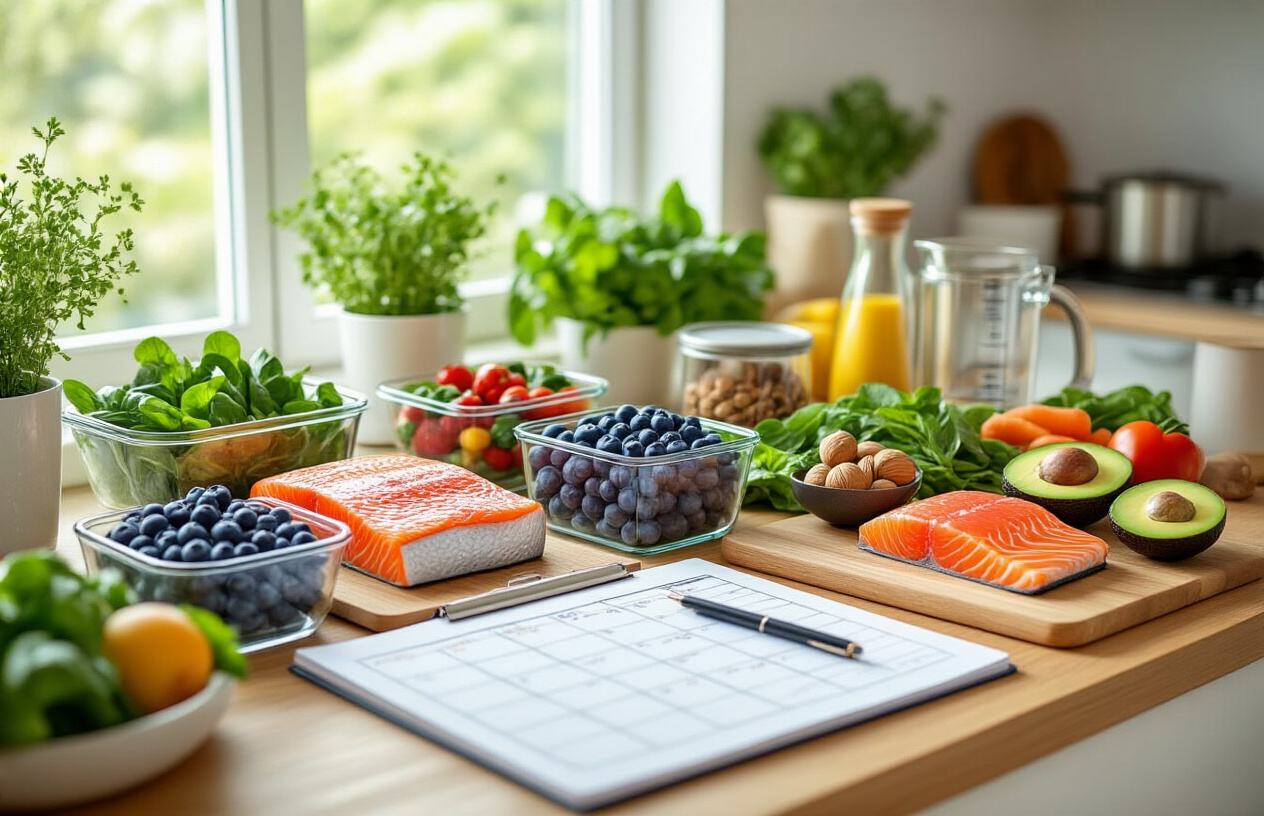
Building effective anti aging meal planning starts with understanding your weekly nutrition goals. Focus on incorporating at least five different antioxidant rich foods daily, spread across three main meals and two snacks. Your plate should feature a rainbow of colors – deep purple berries, vibrant orange sweet potatoes, leafy green spinach, and rich red tomatoes.
Start each week by preparing a shopping list that includes superfoods for anti aging from every category. Stock up on wild-caught salmon, grass-fed lean proteins, nuts, seeds, and seasonal produce. Batch cooking saves time while ensuring you always have anti aging nutrition options ready.
Plan your meals around three core components: high-quality protein (20-25% of your plate), colorful vegetables (50% of your plate), and healthy fats (15-20% of your plate). The remaining portion should come from whole grains or starchy vegetables rich in fiber and nutrients.
Sample weekly rotation might include:
Monday: Grilled salmon with roasted vegetables and quinoa
Tuesday: Lentil and vegetable curry with brown rice
Wednesday: Grass-fed beef stir-fry with mixed greens
Thursday: Chickpea and avocado salad with olive oil dressing
Friday: Wild-caught cod with steamed broccoli and sweet potato
Timing Your Nutrient Intake for Best Results
Your body’s absorption and utilization of anti aging foods varies throughout the day. Morning meals should emphasize protein foods for muscle maintenance – think Greek yogurt with berries or eggs with spinach. These choices support muscle protein synthesis and provide sustained energy.
Mid-morning snacks work best with omega 3 foods for brain health. A handful of walnuts or chia seed pudding delivers essential fatty acids when your brain needs them most. Avoid heavy meals that can cause afternoon energy crashes.
Lunch represents your largest meal opportunity. Load up on antioxidant rich foods like colorful salads, lean proteins, and healthy fats. Your metabolism runs highest during midday, making this the perfect time for nutrient-dense, calorie-rich meals.
Evening meals should be lighter but still nutritious. Focus on easily digestible proteins and hydrating foods for skin. Avoid eating within three hours of bedtime to optimize sleep quality and cellular repair processes.
Post-workout nutrition timing matters significantly. Consume protein within 30 minutes of exercise to maximize muscle recovery and maintenance.
Food Combinations That Enhance Absorption
Certain food pairings dramatically increase nutrient absorption and anti-aging benefits. Vitamin C-rich foods like citrus, strawberries, or bell peppers boost iron absorption from plant sources like spinach and lentils. Always pair these foods in the same meal for maximum benefit.
Fat-soluble vitamins (A, D, E, K) require healthy fats for absorption. Drizzle olive oil over your salad greens, add avocado to tomato-based dishes, or enjoy nuts with your vegetables. This combination ensures your body actually uses the nutrients you’re consuming.
| Food Combination | Enhanced Benefit |
|---|---|
| Turmeric + Black Pepper | Increases curcumin absorption by 2000% |
| Tomatoes + Olive Oil | Boosts lycopene absorption |
| Green Tea + Lemon | Enhances antioxidant availability |
| Broccoli + Mustard Seeds | Amplifies sulforaphane benefits |
Avoid pairing calcium-rich foods with iron-rich foods, as calcium can inhibit iron absorption. Similarly, coffee and tea can reduce iron absorption, so enjoy these beverages between meals rather than with iron-rich foods.
Fermented foods like yogurt, kefir, and sauerkraut improve overall nutrient absorption by supporting gut health. Include these foods that reverse aging in your daily meal plans to optimize your digestive system’s efficiency.


Your journey to healthier aging doesn’t require expensive supplements or complicated routines. The foods you eat every day can become your most powerful anti-aging allies. From berries packed with antioxidants that protect your skin to salmon rich in omega-3s for your brain and heart, nature has already provided everything you need to age gracefully.
Start small by adding one or two anti-aging foods to your meals this week. Swap your afternoon snack for a handful of walnuts, toss some spinach into your smoothie, or enjoy a piece of dark chocolate after dinner. Your future self will thank you for every colorful vegetable, every glass of water, and every nutritious choice you make today. Aging well isn’t about turning back the clock – it’s about giving your body the fuel it needs to thrive at every stage of life.