



Become The Best Version Of Yourself – Focus On Health
Your health affects everything you do, think, and feel. When you focus on building healthy habits, you’re not just improving your body—you’re setting yourself up to succeed in every area of life.
This guide is for anyone ready to make lasting changes but tired of quick fixes that don’t stick. You want sustainable fitness routines, not crash diets. You need realistic healthy lifestyle tips that fit your actual schedule, not perfect Instagram plans.
We’ll walk through how to become the best version of yourself by mastering three key areas. First, you’ll learn to build a foundation with proper nutrition for health that fuels your goals instead of fighting them. Then, we’ll cover creating exercise habits that boost your energy rather than burn you out. Finally, we’ll explore how quality sleep importance and stress management techniques work together to support everything else you’re building.
Personal development through health isn’t about perfection—it’s about progress. You’ll discover simple ways to track health metrics that matter and build a holistic wellness approach that actually works for your life.
Build a Foundation with Proper Nutrition

Fuel Your Body with Whole Foods for Maximum Energy
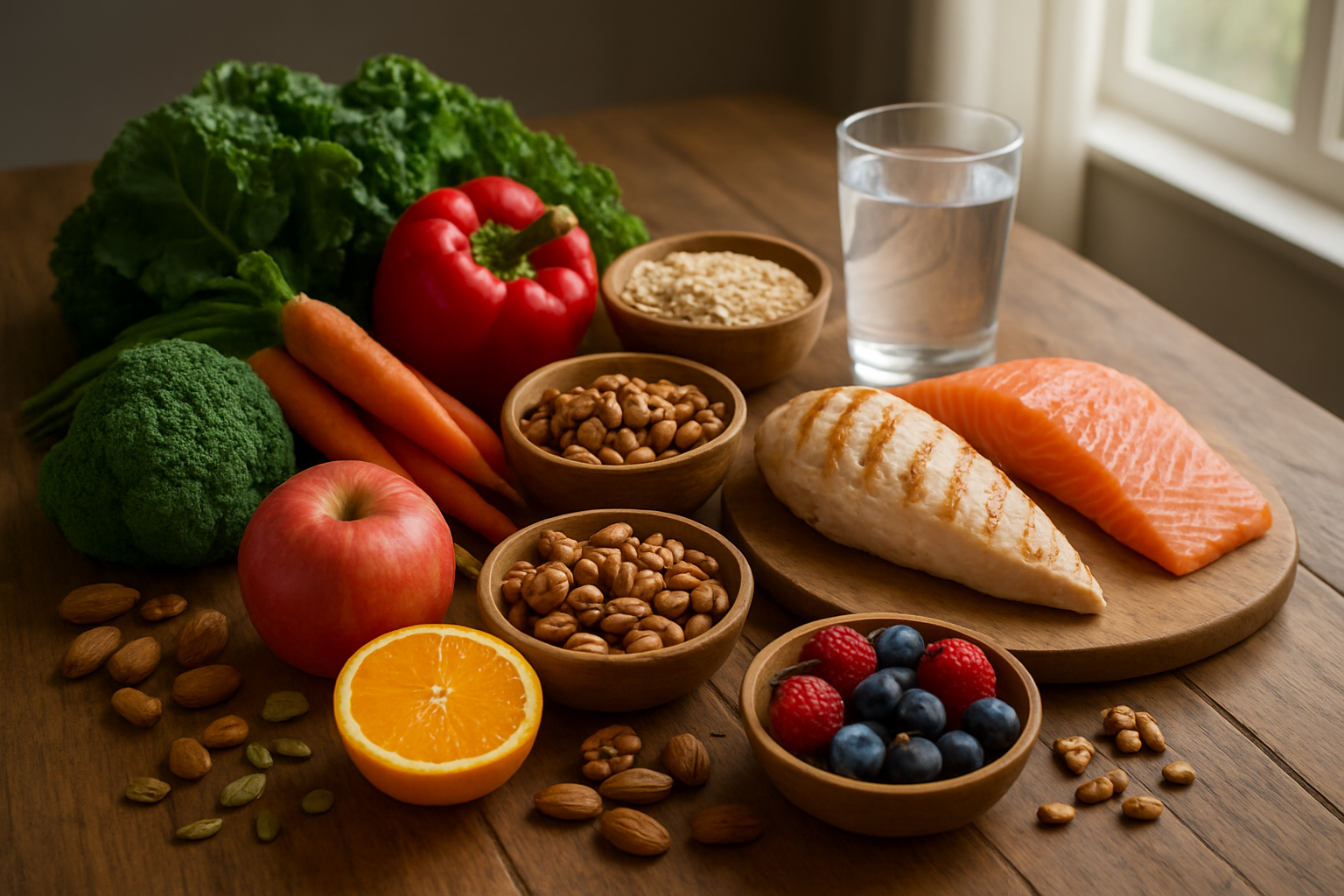
Whole foods serve as premium fuel for your body, providing sustained energy that processed alternatives simply can’t match. Think of your body as a high-performance vehicle – you wouldn’t put low-grade fuel in a sports car, so why settle for processed foods when building healthy habits?
Fresh vegetables, lean proteins, whole grains, and healthy fats work together to stabilize blood sugar levels and prevent energy crashes. Foods like quinoa, sweet potatoes, wild-caught salmon, and leafy greens deliver essential nutrients your cells need for optimal function. Unlike sugary snacks that spike your energy temporarily, whole foods provide steady fuel that keeps you energized throughout the day.
The difference becomes noticeable within days of switching to proper nutrition for health. Your energy stays consistent, mental fog clears, and that afternoon slump disappears. Start by replacing one processed meal daily with whole food alternatives – swap that frozen dinner for grilled chicken with roasted vegetables, or trade your morning pastry for oatmeal topped with fresh berries.
Master Meal Planning to Eliminate Decision Fatigue
Decision fatigue drains mental energy faster than you realize, especially when you’re constantly figuring out what to eat. Meal planning removes this daily burden while supporting your healthy lifestyle tips routine.
Dedicate one hour each week to plan your meals and snacks. Choose three breakfast options, four lunch choices, and five dinner possibilities. Rotate these options throughout the week to maintain variety while eliminating the stress of daily food decisions.
Batch cooking transforms meal planning from theory to practice. Prepare proteins on Sunday, chop vegetables in advance, and portion snacks into grab-and-go containers. This preparation prevents impulse food choices that derail your nutrition goals.
Create a shopping list organized by store sections – produce, proteins, pantry items. This systematic approach speeds up grocery trips and ensures you have everything needed for your planned meals.
Hydrate Strategically to Boost Mental Clarity
Water does more than quench thirst – it directly impacts cognitive function, energy levels, and overall performance. Strategic hydration means drinking water at specific times to maximize these benefits rather than randomly sipping throughout the day.
Start each morning with 16-20 ounces of water before consuming coffee or breakfast. This kickstarts your metabolism and helps your body recover from nighttime dehydration. Your brain tissue contains about 75% water, so proper hydration immediately improves mental clarity and focus.
Monitor your urine color as a hydration gauge – pale yellow indicates proper hydration, while dark yellow signals dehydration. Drink water 30 minutes before meals to aid digestion, but avoid large amounts during eating to prevent diluting digestive enzymes.
Enhance hydration with electrolyte balance by adding a pinch of sea salt to your water or eating water-rich foods like cucumber, watermelon, and oranges. Room temperature water absorbs faster than ice-cold alternatives.
Time Your Meals for Optimal Metabolism
Meal timing significantly impacts metabolic efficiency and energy distribution throughout your day. Your body’s circadian rhythm influences hormone production, including insulin sensitivity and cortisol levels, making timing just as important as food choices.
Eat your largest meal when insulin sensitivity peaks – typically between 6 AM and 2 PM. This window allows your body to process nutrients most efficiently and store less fat. A substantial breakfast with protein, healthy fats, and complex carbohydrates sets the metabolic tone for your entire day.
Space meals 3-4 hours apart to allow complete digestion while maintaining stable blood sugar. Eating too frequently prevents fat burning, while waiting too long triggers stress responses that slow metabolism.
Stop eating 2-3 hours before bedtime to align with your body’s natural fasting period. Late-night eating disrupts sleep quality and forces your digestive system to work when it should be resting and repairing.
Reverse Age And Longevity
Nutrition choices directly influence aging speed and longevity potential. Certain foods activate cellular repair mechanisms while others accelerate aging through inflammation and oxidative stress.
Antioxidant-rich foods combat free radicals that damage cells and DNA. Blueberries, dark chocolate, green tea, and colorful vegetables provide powerful compounds that protect against premature aging. Include these foods daily to support your body’s natural defense systems.
Protein intake becomes increasingly important as you age to maintain muscle mass and bone density. Aim for 0.8-1 gram per pound of body weight, emphasizing complete proteins like eggs, fish, and lean meats. This supports tissue repair and maintains metabolic rate.
Intermittent fasting periods trigger autophagy – your body’s cellular cleanup process that removes damaged proteins and organelles. Even a 12-hour overnight fast between dinner and breakfast activates these anti-aging benefits.
Omega-3 fatty acids from fish, walnuts, and flax seeds reduce inflammation throughout your body. Chronic inflammation accelerates aging, while omega-3s support brain health, heart function, and joint mobility well into your later years.
Create a Sustainable Exercise Routine

Start Small with 15-Minute Daily Movement Sessions
The biggest mistake people make when building a sustainable fitness routine is going from zero to hero overnight. Your body needs time to adapt, and your mind needs time to form new habits. Starting with just 15 minutes of daily movement creates a realistic foundation that you can actually stick to long-term.
These short sessions might seem insignificant, but they’re powerful habit builders. You could take a brisk walk around your neighborhood, do bodyweight exercises in your living room, or follow a quick YouTube workout. The key is consistency over intensity. When you commit to 15 minutes daily, you’re training your brain to prioritize movement without overwhelming your schedule.
Pick a specific time that works for your lifestyle – maybe first thing in the morning before work or during your lunch break. Make it non-negotiable. After two to three weeks, this becomes automatic, and you’ll naturally want to extend your sessions. Many people find that once they start moving, they often continue past their planned 15 minutes because momentum takes over.
Track your daily movement on a simple calendar or app. Seeing those check marks add up creates positive reinforcement. Remember, building healthy habits is about creating a sustainable fitness routine that fits your real life, not an idealized version of it.
Combine Strength Training for Long-Term Body Transformation
Cardio gets all the attention, but strength training is where real body transformation happens. When you build muscle, you’re creating a metabolic engine that burns calories even while you’re sleeping. This makes strength training essential for anyone serious about becoming the best version of yourself.
Start with bodyweight exercises if you’re new to strength training. Push-ups, squats, lunges, and planks work multiple muscle groups and require no equipment. As you get stronger, add resistance bands or dumbbells to increase the challenge.
Focus on compound movements that work several muscles at once. These exercises give you the biggest bang for your buck:
Squats: Target legs, glutes, and core
Deadlifts: Work your entire posterior chain
Push-ups: Build chest, shoulders, and triceps
Rows: Strengthen your back and biceps
Overhead presses: Develop shoulder and core stability
Aim for 2-3 strength training sessions per week, allowing at least one day of rest between sessions for muscle recovery. Each session should last 20-45 minutes depending on your fitness level. Progressive overload is your friend – gradually increase weight, reps, or time under tension to keep challenging your muscles.
Don’t worry about getting “bulky” – building noticeable muscle takes years of dedicated training and specific nutrition. What you will notice is improved posture, increased energy, and a more toned appearance.
Include Cardio Activities You Actually Enjoy
Here’s a game-changer: cardio doesn’t have to mean suffering on a treadmill. The best cardio exercise is the one you’ll actually do consistently. When you enjoy your cardio activities, they stop feeling like punishment and start feeling like play.
Think beyond traditional gym equipment. Dancing counts as cardio. So does hiking, swimming, playing basketball, or chasing your kids at the park. If you love being outdoors, try cycling or rock climbing. Prefer staying inside? Put on your favorite music and have a dance party in your living room.
The sweet spot for cardio is finding activities that elevate your heart rate while being genuinely fun. This creates positive associations with exercise instead of dread. Some people discover they love kickboxing classes, others find peace in long walks while listening to podcasts.
Mix up your cardio to prevent boredom and work different muscle groups:
| Activity Type | Examples | Benefits |
|---|---|---|
| Low Impact | Walking, swimming, cycling | Joint-friendly, sustainable |
| High Intensity | Sprints, HIIT, jumping rope | Time-efficient, metabolic boost |
| Social | Group fitness classes, sports | Motivation, accountability |
| Mindful | Yoga flow, tai chi | Stress relief, flexibility |
Start with 2-3 cardio sessions per week, lasting 20-30 minutes each. Pay attention to how different activities make you feel and double down on the ones that energize you. Your sustainable fitness routine should feel like something you get to do, not something you have to do.
Prioritize Quality Sleep for Peak Performance

Establish a Consistent Sleep Schedule That Works
Your body craves routine, especially when it comes to sleep. Going to bed and waking up at the same time every day helps regulate your internal clock, making it easier to fall asleep and wake up naturally. Pick a bedtime that allows for 7-9 hours of sleep and stick to it, even on weekends. Yes, that means saying goodbye to sleeping in on Saturday mornings, but your energy levels throughout the week will thank you.
Start by gradually shifting your current schedule by 15-30 minutes earlier each night until you reach your target bedtime. Your body needs time to adjust, so don’t expect instant results. Most people see improvements in sleep quality after maintaining a consistent schedule for 2-3 weeks.
Design Your Bedroom Environment for Deep Rest
Your bedroom should feel like a sleep sanctuary, not a multipurpose room. Keep the temperature between 60-67°F (15-19°C) – your body naturally drops in temperature as you prepare for sleep, and a cooler room supports this process. Invest in blackout curtains or an eye mask to block out light, which can interfere with melatonin production.
Noise can be a major sleep disruptor. Consider using a white noise machine, earplugs, or even a fan to create consistent background sound. Your mattress and pillows matter more than you might think. If you’re waking up with aches or tossing and turning, it might be time for an upgrade. A supportive mattress that suits your sleeping position can dramatically improve your sleep quality.
Eliminate Sleep Disruptors from Your Evening Routine
Blue light from phones, tablets, and TVs tricks your brain into thinking it’s still daytime. Create a digital sunset by putting away screens at least one hour before bed. If you must use devices, try blue light blocking glasses or apps that filter blue light.
Caffeine has a half-life of 6-8 hours, meaning that afternoon coffee could still be affecting your sleep at midnight. Cut off caffeine intake after 2 PM to give your body enough time to process it. Alcohol might make you feel drowsy initially, but it disrupts your sleep cycles later in the night, leading to fragmented, poor-quality rest.
Large meals close to bedtime can cause discomfort and indigestion. Finish eating at least 2-3 hours before sleep, and if you need a snack, choose something light and easy to digest.
Use Natural Methods to Improve Sleep Quality
Developing a wind-down routine signals to your body that it’s time to prepare for sleep. This could include reading a book, taking a warm bath, doing gentle stretches, or practicing meditation. The key is consistency – do the same activities in the same order each night.
Magnesium supplements can help relax muscles and calm the nervous system. Chamomile tea has mild sedative properties and can be a soothing addition to your evening routine. Some people find success with valerian root or passionflower, though it’s smart to talk with a healthcare provider before starting any new supplements.
Progressive muscle relaxation involves tensing and then releasing different muscle groups, helping your body physically let go of the day’s tension. Deep breathing exercises can activate your parasympathetic nervous system, promoting relaxation and preparing your mind for sleep.
Track Your Sleep Patterns for Better Results
Understanding your sleep patterns helps you identify what works and what doesn’t. Many smartphones have built-in sleep tracking features, or you can use dedicated apps or wearable devices. Look for patterns in your sleep duration, quality, and how you feel the next day.
Keep a simple sleep diary noting your bedtime, wake time, how long it took to fall asleep, and how rested you felt in the morning. Also track factors like caffeine intake, exercise timing, stress levels, and evening activities. Over time, you’ll spot connections between your habits and sleep quality.
Pay attention to your sleep debt – the cumulative effect of not getting enough sleep. While you can’t completely “catch up” on lost sleep, being aware of when you’re running a deficit helps you prioritize better sleep habits. Quality sleep importance extends far beyond feeling rested; it affects your immune system, mental clarity, mood regulation, and physical recovery.
Manage Stress to Protect Your Physical Health

Practice Daily Mindfulness Techniques for Instant Calm
Your mind directly impacts your body’s stress response, making mindfulness one of the most powerful stress management techniques available. When you practice daily mindfulness, you’re essentially training your brain to stay present instead of spiraling into anxiety about the future or dwelling on past events.
Start with just five minutes of deep breathing each morning. Focus on inhaling for four counts, holding for four, and exhaling for six. This simple technique activates your parasympathetic nervous system, which signals your body to relax and lowers cortisol levels.
Body scan meditation works wonders for releasing physical tension that accumulates throughout the day. Lie down and mentally check in with each part of your body, from your toes to the top of your head. Notice areas of tightness or discomfort without trying to change them. This awareness alone often helps muscles relax naturally.
Mindful walking transforms your daily movement into a stress-busting activity. Pay attention to how your feet feel hitting the ground, the rhythm of your steps, and the sensations around you. Even a five-minute mindful walk can reset your nervous system and provide mental clarity.
Set Healthy Boundaries to Reduce Overwhelm
Creating clear boundaries protects your energy and prevents stress from building up in the first place. Many people struggle with saying no because they worry about disappointing others, but overcommitting yourself leads to chronic stress that damages your physical health over time.
Start by identifying your non-negotiables. These might include eight hours of sleep, family dinner time, or your morning workout. Once you know what matters most, it becomes easier to decline requests that conflict with these priorities.
Practice saying no without over-explaining. A simple “I can’t commit to that right now” works perfectly. You don’t need to justify your decision or provide detailed reasons. Remember, protecting your time means protecting your health.
Set technology boundaries to prevent digital overwhelm. Turn off notifications after 8 PM, create phone-free zones in your bedroom, and designate specific times for checking emails. Constant connectivity keeps your stress hormones elevated and interferes with your body’s natural recovery processes.
Learn to delegate tasks when possible. Whether at work or home, sharing responsibilities reduces your mental load and gives you more time for healthy lifestyle tips that support your wellbeing.
Develop Physical Outlets for Emotional Release
Physical movement serves as a natural stress valve, helping your body process and release built-up tension and emotions. When stress hormones like cortisol and adrenaline flood your system, physical activity helps metabolize them effectively.
High-intensity interval training (HIIT) provides excellent stress relief in short bursts. Twenty minutes of alternating between intense exercise and rest periods can significantly reduce stress levels while improving your sustainable fitness routine. The intense physical effort gives your mind a break from worrying and floods your system with mood-boosting endorphins.
Dancing offers emotional release combined with cardiovascular benefits. Put on your favorite music and move however feels good. You don’t need perfect technique – the goal is expressing yourself physically and letting go of mental tension.
Strength training helps build both physical and mental resilience. Lifting weights provides a controlled way to channel frustration or anger while building confidence. The focus required during weightlifting also creates a meditative state that quiets racing thoughts.
| Physical Outlet | Time Needed | Stress Relief Benefit |
|---|---|---|
| HIIT Workout | 20-30 minutes | High cortisol reduction |
| Dancing | 15-45 minutes | Emotional expression |
| Strength Training | 30-60 minutes | Mental resilience |
| Yoga | 20-90 minutes | Mind-body connection |
| Martial Arts | 45-90 minutes | Anger management |
Yoga combines physical movement with mindfulness, making it particularly effective for stress management. The flowing movements help release muscle tension while the breathing focus calms your nervous system. Even gentle yoga styles provide significant stress relief benefits.
Consider martial arts or boxing for safely channeling aggressive emotions. These activities provide structured ways to release anger and frustration while building discipline and self-control. The mental focus required also serves as moving meditation.
Regular physical outlets become essential building healthy habits that support your journey to become the best version of yourself. Choose activities you genuinely enjoy, as consistency matters more than intensity for long-term stress management success.
Monitor Your Progress with Health Metrics
Track Key Biomarkers Through Regular Check-ups
Getting regular blood work and physical exams gives you the real story about what’s happening inside your body. Your doctor can check important markers like cholesterol levels, blood pressure, blood sugar, and vitamin D status. These numbers tell you way more than the scale ever could about your actual health progress.
Most people should get basic panels done annually, but if you’re making significant lifestyle changes, consider checking every six months initially. Key biomarkers to monitor include:
Blood pressure (should be below 120/80 mmHg)
Resting heart rate (typically 60-100 bpm for adults)
Cholesterol panels (total, HDL, LDL, triglycerides)
HbA1c (measures average blood sugar over 2-3 months)
Vitamin levels (especially B12, D3, and iron)
Inflammatory markers like C-reactive protein
Use Technology to Measure Daily Health Improvements
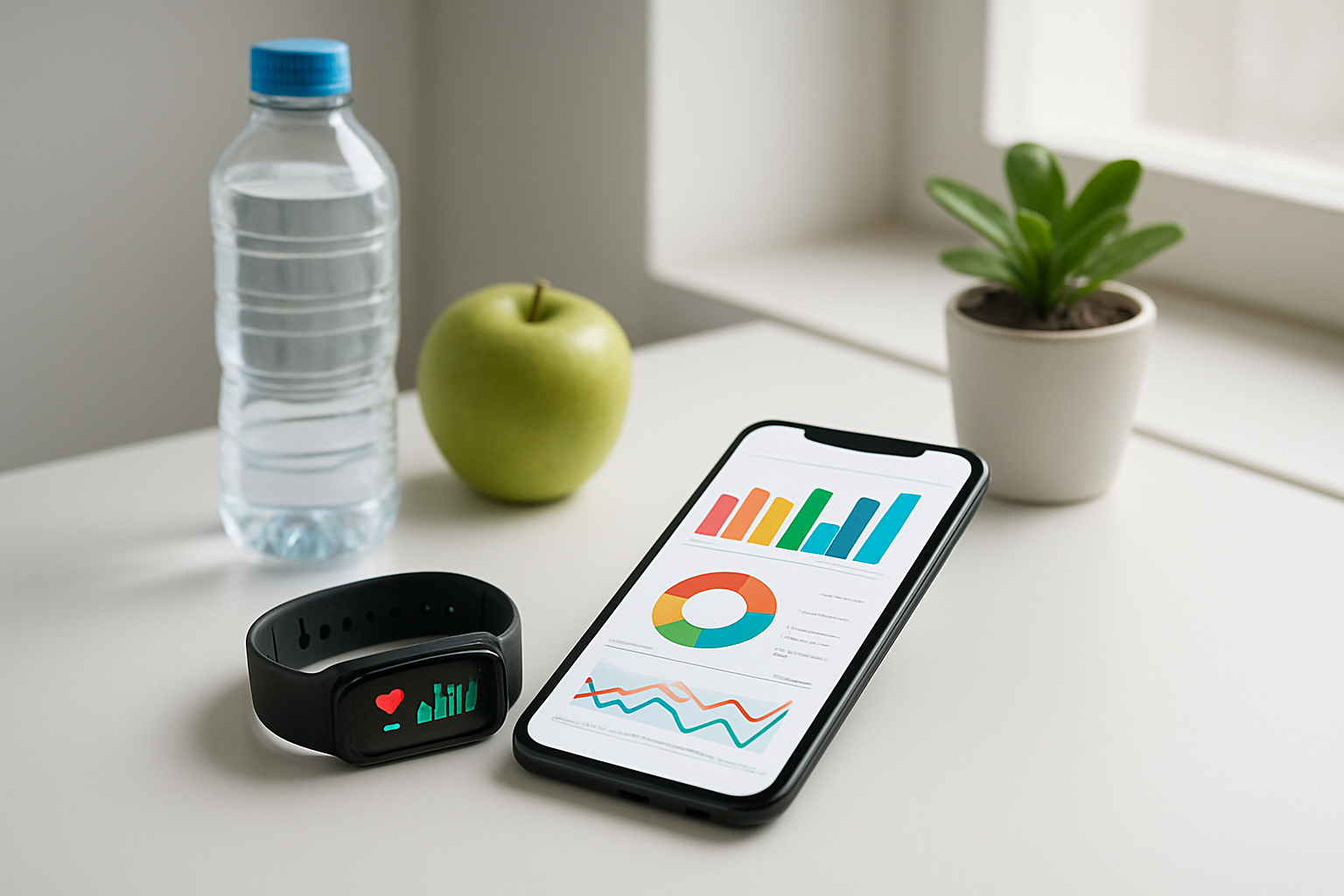
Fitness trackers, smartphone apps, and smart scales make health metrics tracking easier than ever. These tools help you spot patterns and trends that might not be obvious day-to-day. A fitness tracker can show you’re getting more deep sleep after cutting evening screen time, or that your heart rate variability improves on days you meditate.
Popular tracking options include:
| Device Type | What It Measures | Best For |
|---|---|---|
| Fitness Trackers | Steps, heart rate, sleep, calories | Daily activity monitoring |
| Smart Scales | Weight, body fat %, muscle mass | Body composition changes |
| Blood Pressure Monitors | BP readings, pulse | Cardiovascular health |
| Sleep Apps | Sleep stages, duration, quality | Sleep optimization |
| Food Tracking Apps | Calories, macros, nutrients | Nutrition awareness |
The key is choosing one or two metrics that matter most to your goals rather than trying to track everything at once.
Celebrate Small Wins to Maintain Motivation
Building healthy habits takes time, and acknowledging progress along the way keeps you motivated for the long haul. Maybe you walked 8,000 steps instead of your usual 6,000, or you chose grilled chicken over fried food twice this week. These wins matter just as much as hitting major milestones.
Create a simple reward system for yourself. After a week of consistent workouts, treat yourself to a massage or new workout gear. When you hit a month of better sleep habits, buy those sheets you’ve been wanting. The rewards don’t have to be expensive – sometimes just acknowledging the win in your journal or sharing it with a supportive friend is enough.
Track both outcome metrics (weight loss, improved blood work) and process metrics (workouts completed, vegetables eaten daily). Process wins are often more motivating because they’re completely within your control.
Adjust Your Plan Based on Real Results
Your health metrics should guide your decisions, not just make you feel good or bad about yourself. If your energy levels are consistently low despite getting eight hours of sleep, maybe you need to look at your sleep quality or nutrient intake. If your strength isn’t improving after months of the same workout routine, it’s time to change things up.
Review your data monthly and ask yourself: What’s working? What isn’t? Where do you see positive trends, and where are you stuck? Sometimes the numbers reveal surprising insights – like realizing your stress levels spike on certain days of the week, or that you sleep better when you eat dinner earlier.
Don’t be afraid to pivot when the data tells a different story than you expected. Health metrics tracking isn’t about perfection; it’s about gathering information to make smarter choices about your wellbeing. The goal is creating a sustainable, healthy lifestyle that actually works for your unique body and circumstances.

Taking care of your health isn’t just about looking good or hitting certain numbers on a scale. It’s about building the energy, strength, and mental clarity you need to show up as your best self every single day. When you focus on eating well, moving your body regularly, getting enough sleep, managing stress, and tracking your progress, you’re setting yourself up for success in every area of your life.
Start small and pick one area to improve first. Maybe that’s adding more vegetables to your meals or taking a 15-minute walk after dinner. Once that becomes second nature, layer in another healthy habit. Remember, the goal isn’t perfection – it’s progress. Your future self will thank you for every positive step you take today, no matter how small it might seem right now.