



Joint Health & Anti Aging
Your joints don’t have to betray your age. Many people accept joint pain and stiffness as inevitable parts of getting older, but the truth is that joint health and anti aging go hand in hand.
This guide is for anyone who wants to stay active and pain-free as they age – whether you’re in your 30s looking to prevent future problems, dealing with early signs of joint discomfort, or already managing arthritis and seeking natural solutions.
We’ll explore how the aging process directly affects your joints and why protecting them now pays dividends later. You’ll discover the essential nutrients that fight both joint deterioration and aging at the cellular level, including collagen for joints and other powerful compounds. We’ll also cover proven exercise strategies that keep your joints mobile while supporting healthy aging, plus lifestyle habits that naturally reduce inflammation and promote longevity.
By the end, you’ll have a complete roadmap for maintaining strong, flexible joints that support an active life at any age.
Understanding the Connection Between Joint Health and Aging

How Aging Naturally Affects Cartilage and Joint Mobility
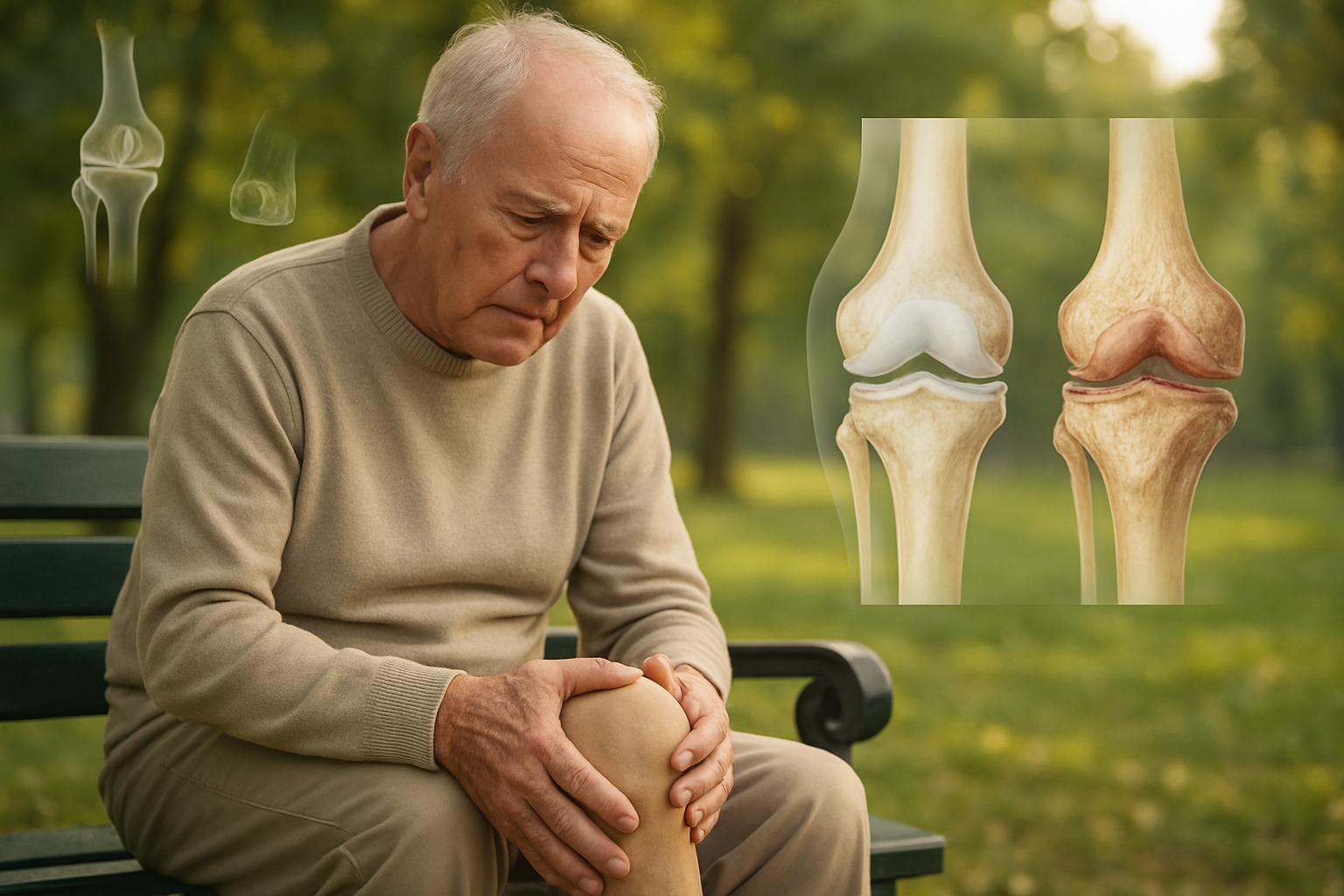
Our joints face a daily battle against time, and the changes start earlier than most people realize. Cartilage, the smooth tissue that cushions our joints, begins losing its bounce and flexibility as early as our twenties. This happens because cartilage doesn’t have its own blood supply – it relies on movement and pressure to squeeze nutrients in and waste products out, like a sponge.
As we age, our bodies produce less collagen for joints, the protein that gives cartilage its strength and elasticity. The cartilage becomes thinner, rougher, and less able to absorb shock. Think of it like the tread on your car tires wearing down over thousands of miles. The protective layer gradually diminishes, making bone-on-bone contact more likely during movement.
Joint mobility naturally decreases because the synovial fluid – the lubricant inside our joints – becomes less viscous and abundant. This creates a domino effect: stiffer joints lead to less movement, which reduces the mechanical pumping action that keeps cartilage healthy. People often notice this first thing in the morning when their knees creak getting out of bed or their fingers feel stiff.
The process accelerates after menopause in women due to declining estrogen levels, which directly impacts collagen production. Men experience similar changes but typically at a slower, more gradual pace throughout their forties and fifties.
The Role of Inflammation in Joint Deterioration
Chronic inflammation acts like a slow-burning fire inside your joints, gradually destroying healthy tissue. Unlike acute inflammation that helps heal injuries, this persistent, low-level inflammation creates a destructive environment that accelerates aging processes throughout the body.
When joints become inflamed, immune cells release enzymes that break down cartilage matrix faster than it can be rebuilt. This inflammatory cascade also triggers the production of free radicals – unstable molecules that damage cellular structures and speed up the aging process. The result is a vicious cycle where inflammation causes joint damage, which creates more inflammation.
Several factors fuel this inflammatory fire:
Excess weight: Adipose tissue produces inflammatory cytokines that circulate throughout the body
Poor diet: Processed foods, sugar, and trans fats promote inflammatory responses
Sedentary lifestyle: Lack of movement allows inflammatory molecules to accumulate in joint tissues
Chronic stress: Elevates cortisol levels, which can increase systemic inflammation
Sleep deprivation: Disrupts the body’s natural anti-inflammatory processes
The inflammatory markers that damage joints – like interleukin-1 and tumor necrosis factor-alpha – don’t stay localized. They circulate throughout the body, contributing to skin aging, cardiovascular disease, and cognitive decline. This explains why people with severe arthritis often look older than their chronological age.
Why Maintaining Joint Health Delays Visible Aging Signs
Healthy joints serve as the foundation for an active, youthful lifestyle that radiates outward in surprising ways. When your joints move freely and painlessly, you naturally maintain better posture, which instantly makes you appear younger and more confident. Good posture opens up your chest, lengthens your spine, and prevents the hunched, shuffling gait associated with aging.
Regular movement made possible by healthy joints stimulates circulation throughout your entire body. This improved blood flow delivers oxygen and nutrients to your skin, giving you that healthy glow that expensive creams try to replicate. Exercise for joint health also promotes the production of growth hormone and other anti-aging compounds that help maintain muscle mass and bone density.
Joint mobility directly impacts your facial appearance too. When neck and shoulder joints become stiff, people develop forward head posture, which creates a double chin effect and emphasizes wrinkles. Maintaining flexibility in these areas helps preserve your jawline and reduces the appearance of neck aging.
The connection between joint health and longevity lifestyle choices creates a positive feedback loop. People with pain-free joints are more likely to:
Stay physically active, maintaining muscle tone and cardiovascular health
Sleep better, allowing for proper cellular repair and hormone balance
Maintain social activities, which supports mental health and cognitive function
Feel confident in their physical abilities, reducing stress and its aging effects
Research shows that individuals who prioritize joint health through proper nutrition, exercise, and natural joint remedies often have biological ages significantly younger than their chronological age. Their bodies move with the fluid grace of someone decades younger, and this vitality is immediately apparent to others.
Essential Nutrients That Support Both Joint Function and Anti-Aging

Collagen supplements for joint cushioning and skin elasticity
Collagen serves as the body’s primary structural protein, making up about 30% of all protein in your body. As we age, natural collagen production drops by approximately 1% each year after age 25, leading to joint stiffness and visible signs of aging. Joint health depends heavily on collagen’s ability to maintain cartilage integrity, while skin elasticity relies on collagen’s structural support in the dermis.
Type II collagen specifically targets joint cartilage, providing the building blocks for smooth, pain-free movement. Studies show that taking 10-40mg of undenatured type II collagen daily can reduce joint pain relief symptoms and improve mobility within 90-120 days. For skin benefits, types I and III collagen work together to maintain firmness and reduce wrinkle formation.
When choosing collagen supplements, look for hydrolyzed forms that break down proteins into smaller peptides for better absorption. Marine collagen offers superior bioavailability compared to bovine sources, while chicken-derived collagen provides excellent type II benefits for joints.
Omega-3 fatty acids for reducing inflammation and cellular protection
Omega-3 fatty acids EPA and DHA act as powerful anti-inflammatory agents throughout the body, directly supporting both joint health and cellular longevity. These essential fats reduce production of inflammatory cytokines that contribute to cartilage breakdown and accelerated aging processes.
EPA (eicosapentaenoic acid) specifically targets joint inflammation, with doses of 1,000-2,000mg daily showing significant improvements in morning stiffness and joint comfort. DHA (docosahexaenoic acid) protects cell membranes from oxidative damage and supports brain health, contributing to overall vitality and healthy aging tips.
Fish oil remains the gold standard for omega-3 supplementation, but algae-based options provide sustainable alternatives. Quality matters significantly – look for third-party tested products with minimal oxidation levels. Taking omega-3s with meals enhances absorption and reduces potential digestive upset.
Antioxidants that combat free radical damage in joints and skin
Free radicals attack joint tissues and skin cells continuously, accelerating aging and promoting inflammatory conditions. Antioxidants neutralize these harmful molecules, protecting cellular structures and supporting arthritis prevention efforts.
Vitamin C plays a crucial role in collagen synthesis while protecting existing cartilage from oxidative damage. Adults should aim for 75-90mg daily, though those with joint concerns may benefit from higher doses up to 1,000mg. Vitamin E works synergistically with vitamin C, protecting cell membranes and reducing inflammatory markers.
Specialized antioxidants like curcumin offer targeted joint supplements benefits. Curcumin’s anti-inflammatory properties rival pharmaceutical options without side effects, requiring 500-1,000mg daily for optimal results. Quercetin, found in onions and apples, stabilizes mast cells that release inflammatory compounds.
Green tea polyphenols, particularly EGCG, protect both joints and skin from UV damage while supporting cellular repair mechanisms. Drinking 2-3 cups daily or taking 300-400mg EGCG supplements provides significant protective benefits.
Vitamin D and calcium for bone strength and overall vitality
Bone health forms the foundation for joint stability and long-term mobility. Vitamin D facilitates calcium absorption while regulating immune function and reducing systemic inflammation that affects joints. Deficiency in either nutrient accelerates bone loss and increases fracture risk.
Most adults require 1,000-1,200mg of calcium daily, preferably from food sources like leafy greens, sardines, and dairy products. Calcium citrate offers better absorption than calcium carbonate, especially for older adults with reduced stomach acid production.
Vitamin D needs vary significantly based on sun exposure, skin tone, and geographic location. Blood testing helps determine optimal dosing, typically ranging from 1,000-4,000 IU daily. Vitamin D3 (cholecalciferol) proves more effective than D2 at raising blood levels.
| Nutrient Combination | Daily Dosage | Primary Benefits |
|---|---|---|
| Calcium + Vitamin D3 + K2 | 1,000mg + 2,000 IU + 100mcg | Bone density, joint stability |
| Magnesium + Vitamin D | 400mg + 2,000 IU | Muscle relaxation, calcium absorption |
| Boron + Calcium | 3mg + 1,000mg | Hormone balance, bone metabolism |
Vitamin K2 deserves special attention for directing calcium to bones rather than soft tissues, preventing arterial calcification while supporting skeletal health. This longevity lifestyle approach addresses multiple aging concerns simultaneously.
Exercise Strategies for Joint Health and Youthful Movement

Low-Impact Activities That Strengthen Joints Without Stress
Swimming stands out as the ultimate joint-friendly exercise, offering complete body conditioning while the water’s buoyancy reduces joint stress by up to 90%. The natural resistance of water provides excellent strength training without harsh impact. Water aerobics, pool walking, and gentle swimming strokes help maintain joint mobility exercises while building muscle around vulnerable areas.
Cycling delivers exceptional cardiovascular benefits while keeping weight off your knees and hips. Whether on a stationary bike or cruising outdoors, the smooth pedaling motion lubricates joint surfaces and strengthens the quadriceps muscles that support knee stability. Start with 15-20 minutes and gradually increase duration.
Walking remains one of the most accessible forms of exercise for joint health. Choose softer surfaces like grass, tracks, or treadmills over concrete. Proper footwear with adequate cushioning makes a significant difference in reducing impact forces that travel up through your joints.
Elliptical machines mimic natural walking patterns without the jarring impact of each step. The smooth gliding motion engages both upper and lower body while protecting weight-bearing joints.
| Activity | Joint Benefits | Time Recommendation |
|---|---|---|
| Swimming | Full-body low impact | 30-45 minutes |
| Cycling | Knee/hip protection | 20-40 minutes |
| Walking | Weight-bearing strength | 30 minutes daily |
| Elliptical | Multi-joint movement | 20-35 minutes |
Flexibility Routines That Maintain Range of Motion
Daily stretching routines prevent the stiffness and reduced mobility that naturally accompany aging. Dynamic stretches before activity prepare joints for movement, while static stretches afterward help maintain flexibility gains.
Morning mobility sequences should target major joint groups:
Gentle neck rolls and shoulder circles
Arm crossovers and overhead reaches
Hip circles and leg swings
Ankle pumps and calf stretches
Yoga offers structured flexibility training with additional benefits for balance and mental well-being. Poses like cat-cow stretches mobilize the spine, while warrior poses open hips and strengthen legs simultaneously. Chair yoga adaptations make these practices accessible regardless of fitness level.
Tai chi combines flowing movements with mindfulness, creating a moving meditation that enhances joint flexibility. The slow, controlled motions improve balance while gently stretching muscles and fascia around joints.
Evening wind-down stretches focus on releasing tension:
Gentle spinal twists
Hip flexor stretches
Hamstring releases
Shoulder blade squeezes
Consistency trumps intensity with flexibility training. Just 10-15 minutes daily produces better results than sporadic hour-long sessions.
Strength Training Techniques for Supporting Joint Stability
Strong muscles act as natural shock absorbers, reducing stress on joint structures. Resistance training doesn’t require heavy weights – bodyweight exercises, resistance bands, and light weights effectively build supportive muscle mass.
Bodyweight fundamentals include:
Wall push-ups for shoulder stability
Chair-assisted squats for knee support
Modified planks for core strength
Glute bridges for hip stability
Resistance bands provide variable tension that’s gentler on joints than free weights. They’re portable, versatile, and perfect for targeting smaller stabilizing muscles often neglected in traditional workouts. Band exercises like lateral walks strengthen hip abductors, while seated rows improve posture and shoulder blade stability.
Progressive loading principles ensure safe strength gains:
Start with 1-2 sets of 8-12 repetitions
Focus on proper form over weight lifted
Increase resistance gradually every 2-3 weeks
Allow 48 hours recovery between sessions
Functional movements that mirror daily activities provide the most practical strength benefits. Exercises like sit-to-stand transitions, step-ups, and reaching patterns train muscles to work together, improving overall joint coordination and reducing injury risk during everyday tasks.
Balance training deserves equal attention, as falls pose serious threats to joint health. Single-leg stands, heel-to-toe walking, and standing on unstable surfaces challenge proprioception – your body’s ability to sense position in space.
Lifestyle Habits That Protect Joints While Promoting Longevity
Sleep Quality and Its Impact on Joint Repair and Aging
Your body performs its most critical maintenance work while you sleep. During deep sleep phases, your joints undergo essential repair processes that directly impact both joint health and healthy aging tips. Growth hormone levels peak during these restorative hours, triggering the production of new cartilage cells and supporting the regeneration of joint tissues that experience daily wear and tear.
Poor sleep quality disrupts these natural healing cycles, leaving your joints vulnerable to accelerated deterioration. Research shows that people who consistently get less than six hours of sleep per night have significantly higher levels of inflammatory markers, which directly contribute to joint pain and accelerated aging processes.
Creating an optimal sleep environment supports both joint pain relief and longevity. Keep your bedroom temperature between 65-68°F, invest in a supportive mattress that maintains proper spinal alignment, and establish a consistent bedtime routine. Blue light exposure from screens can interfere with melatonin production, so power down devices at least one hour before bed.
The position you sleep in also matters for joint wellness. Side sleepers should place a pillow between their knees to reduce hip and lower back stress, while back sleepers benefit from a small pillow under their knees to maintain the natural curve of the spine.
Stress Management for Reducing Inflammatory Responses
Chronic stress acts like a slow-burning fire in your body, releasing cortisol and other stress hormones that fuel inflammation throughout your joints and accelerate cellular aging. When stress becomes your constant companion, your immune system shifts into overdrive, attacking healthy joint tissue and breaking down collagen faster than your body can replace it.
Effective stress management techniques provide powerful anti aging benefits while protecting joint function. Deep breathing exercises activate your parasympathetic nervous system, lowering cortisol levels within minutes. Try the 4-7-8 technique: inhale for 4 counts, hold for 7, then exhale for 8 counts. Repeat this cycle 4 times whenever stress levels spike.
Meditation and mindfulness practices create measurable changes in brain structure and inflammatory markers. Even 10 minutes daily can reduce stress hormones and support the body’s natural repair mechanisms. Progressive muscle relaxation specifically benefits joint health by releasing physical tension that contributes to stiffness and pain.
Regular massage therapy offers dual benefits for stress reduction and joint mobility. Professional massage increases circulation to joint tissues while triggering the release of endorphins, your body’s natural pain relievers. Self-massage techniques using tennis balls or foam rollers provide similar benefits between professional sessions.
Hydration Benefits for Joint Lubrication and Skin Health
Water makes up roughly 80% of your cartilage, making proper hydration essential for maintaining smooth, pain-free joint movement. When dehydration sets in, your cartilage loses its shock-absorbing properties, leading to increased friction, inflammation, and accelerated wear. This process not only affects joint mobility exercises performance but also contributes to premature aging of joint structures.
Your daily water intake directly impacts synovial fluid production – the lubricating substance that allows your joints to glide smoothly during movement. Adequate hydration maintains optimal viscosity of this fluid, reducing friction and protecting cartilage surfaces from damage during both daily activities and exercise routines.
Beyond joint lubrication, proper hydration supports longevity lifestyle goals by maintaining skin elasticity and cellular function throughout your body. Dehydrated cells age faster, accumulate more toxins, and struggle to perform essential repair functions. Aim for half your body weight in ounces of water daily, increasing intake during exercise or hot weather.
Quality matters as much as quantity when it comes to hydration. Choose filtered water to reduce exposure to chlorine and other chemicals that can contribute to inflammation. Adding a pinch of high-quality sea salt or electrolyte minerals helps your cells absorb and retain water more effectively than plain water alone.
Weight Management Strategies for Reducing Joint Pressure
Every pound of excess weight places approximately four pounds of additional pressure on your knees during walking and up to six pounds during stair climbing. This mechanical stress accelerates cartilage breakdown and increases inflammatory markers throughout your body, creating a cycle that impacts both joint function and overall aging processes.
Sustainable weight management for arthritis prevention focuses on gradual, consistent changes rather than extreme dieting approaches that can actually increase stress hormones and inflammation. A moderate caloric deficit of 500-750 calories daily through combined dietary changes and increased activity typically results in 1-2 pounds of fat loss weekly while preserving muscle mass.
Protein intake becomes especially important during weight loss phases to maintain muscle tissue that supports and stabilizes your joints. Aim for 0.8-1.2 grams of protein per pound of body weight daily, emphasizing sources rich in anti-inflammatory compounds like fatty fish, grass-fed meats, and plant-based options like quinoa and legumes.
| Food Category | Joint-Friendly Options | Anti-Inflammatory Benefits |
|---|---|---|
| Proteins | Wild salmon, sardines, grass-fed beef | Omega-3 fatty acids reduce inflammation |
| Vegetables | Leafy greens, broccoli, bell peppers | Antioxidants protect cartilage |
| Fruits | Berries, cherries, pineapple | Natural enzymes reduce swelling |
| Healthy Fats | Avocados, olive oil, nuts | Support hormone production and joint lubrication |
Intermittent fasting approaches can support both weight management and joint health by reducing inflammatory markers and triggering cellular cleanup processes called autophagy. Start with a 12-hour eating window and gradually extend to 16:8 or other patterns that fit your lifestyle and energy needs.
Natural Remedies and Therapies for Joint Wellness and Age Reversal
Herbal supplements with proven joint and anti-aging benefits
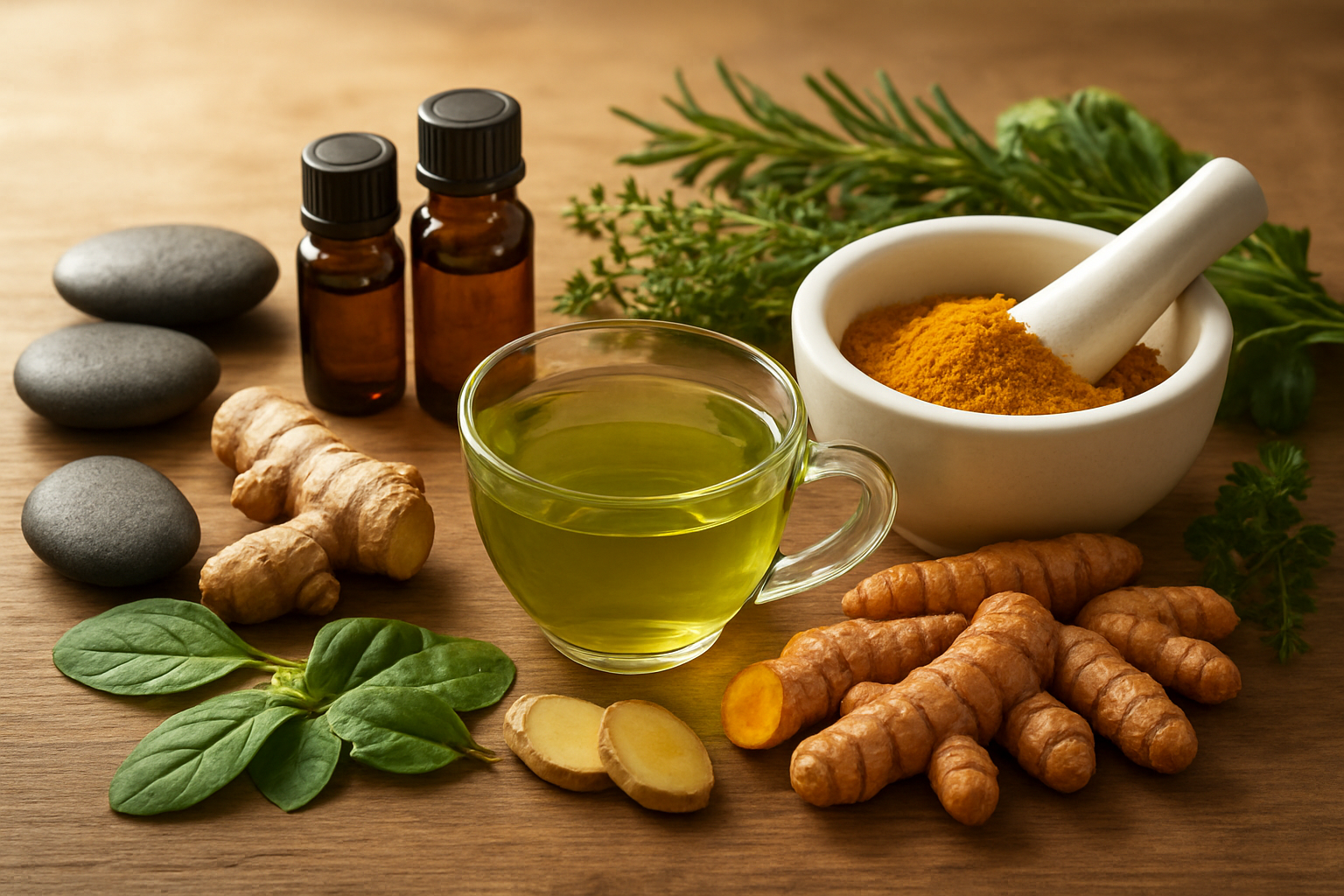
Turmeric stands as one of nature’s most powerful allies for joint health and anti aging. The active compound curcumin reduces inflammation throughout the body, targeting the root cause of joint pain while supporting cellular longevity. Research shows that taking 500-1000mg daily can significantly reduce morning stiffness and improve joint mobility within just 8 weeks.
Boswellia, often called Indian frankincense, works differently than typical anti-inflammatories. It blocks specific enzymes that break down cartilage, making it particularly valuable for arthritis prevention. Unlike NSAIDs, boswellia actually helps rebuild joint tissue while providing pain relief.
Green tea extract delivers EGCG, a compound that protects cartilage from degradation while supporting healthy aging at the cellular level. The polyphenols in green tea also boost collagen production, keeping joints flexible and skin youthful.
Ginger root provides dual benefits – its gingerol compounds reduce joint inflammation while supporting circulation and cellular repair. Fresh ginger works well, but standardized extracts ensure consistent potency for therapeutic effects.
| Herb | Daily Dose | Primary Benefit | Timeline for Results |
|---|---|---|---|
| Turmeric | 500-1000mg | Inflammation reduction | 4-8 weeks |
| Boswellia | 300-400mg | Cartilage protection | 6-12 weeks |
| Green tea extract | 400-800mg | Antioxidant support | 2-4 weeks |
| Ginger | 250-500mg | Pain relief | 1-2 weeks |
Physical therapy techniques for maintaining mobility
Range-of-motion exercises form the foundation of joint preservation. Simple movements like shoulder rolls, ankle circles, and gentle spinal twists performed daily prevent stiffness and maintain synovial fluid production. These exercises become even more crucial as we age, when natural joint lubrication decreases.
Resistance training with light weights or resistance bands strengthens the muscles surrounding joints, providing natural joint supplements through improved stability. Focus on controlled movements rather than heavy lifting – your joints will thank you for decades to come.
Proprioceptive training improves balance and spatial awareness, reducing fall risk while maintaining joint confidence. Standing on one foot, using balance boards, or practicing tai chi movements train your body’s position sensors, keeping you steady and mobile.
Manual therapy techniques like joint mobilization help restore normal movement patterns. These gentle, hands-on techniques performed by trained therapists can unlock restricted joints and improve overall function without aggressive manipulation.
Alternative treatments like acupuncture and massage therapy
Acupuncture triggers the release of natural pain-relieving compounds while improving blood flow to joint tissues. Many people experience significant joint pain relief after just a few sessions, with cumulative benefits building over time. The treatment also supports healthy aging by reducing stress hormones that accelerate cellular aging.
Massage therapy offers immediate relief while providing long-term joint health benefits. Deep tissue massage breaks up adhesions in connective tissue, while gentler Swedish massage improves circulation and reduces inflammation. Regular massage sessions can slow the aging process by supporting lymphatic drainage and cellular repair.
Hydrotherapy combines the healing properties of water with movement for natural joint remedies. Warm water reduces joint compression while allowing pain-free exercise. Cold water therapy after workouts reduces inflammation and speeds recovery.
Infrared sauna therapy penetrates deep into tissues, promoting circulation and cellular repair. The heat helps relax tight muscles around joints while supporting the body’s natural detoxification processes that become less efficient with age.

Taking care of your joints today sets the foundation for how you’ll feel and move tomorrow. The nutrients you eat, the exercises you choose, and the daily habits you build all work together to keep your joints flexible while slowing down the aging process. Think of it as an investment in your future self – every omega-3 rich meal, every gentle stretch, and every good night’s sleep adds up to better mobility and vitality as the years go by.
Start small with one or two changes that feel manageable right now. Maybe it’s adding a turmeric supplement to your morning routine or taking a 10-minute walk after dinner. Your joints and your future self will thank you for making these simple but powerful choices today. Remember, it’s never too early or too late to start prioritizing joint health as part of your anti-aging strategy.