


Reverse Aging Naturally and ArtIficial intelligence — 10 Proven Strategies
Aging doesn’t have to be inevitable. With the right combination of natural methods and cutting-edge AI technology, you can slow down and even reverse many signs of aging at the cellular level.
This guide is for health-conscious adults who want to take control of their aging process using evidence-based strategies and smart technology. If you’re tired of empty promises and ready to embrace proven methods that work with your body’s natural systems, these reverse aging naturally techniques will transform how you approach longevity.
You’ll discover how to optimize your sleep patterns for cellular regeneration, turning your nightly rest into a powerful anti-aging tool. We’ll explore AI anti-aging strategies that personalize your nutrition plan based on your unique biology and goals. You’ll also learn cellular autophagy activation methods through strategic intermittent fasting and smart monitoring systems that track your progress.
From hormone balance optimization using lifestyle modifications to cognitive enhancement methods powered by AI health coaching, each strategy builds on the others to create a complete longevity lifestyle system. Get ready to unlock your body’s natural ability to repair, regenerate, and thrive at any age.
1. Optimize Your Sleep Patterns for Cellular Regeneration
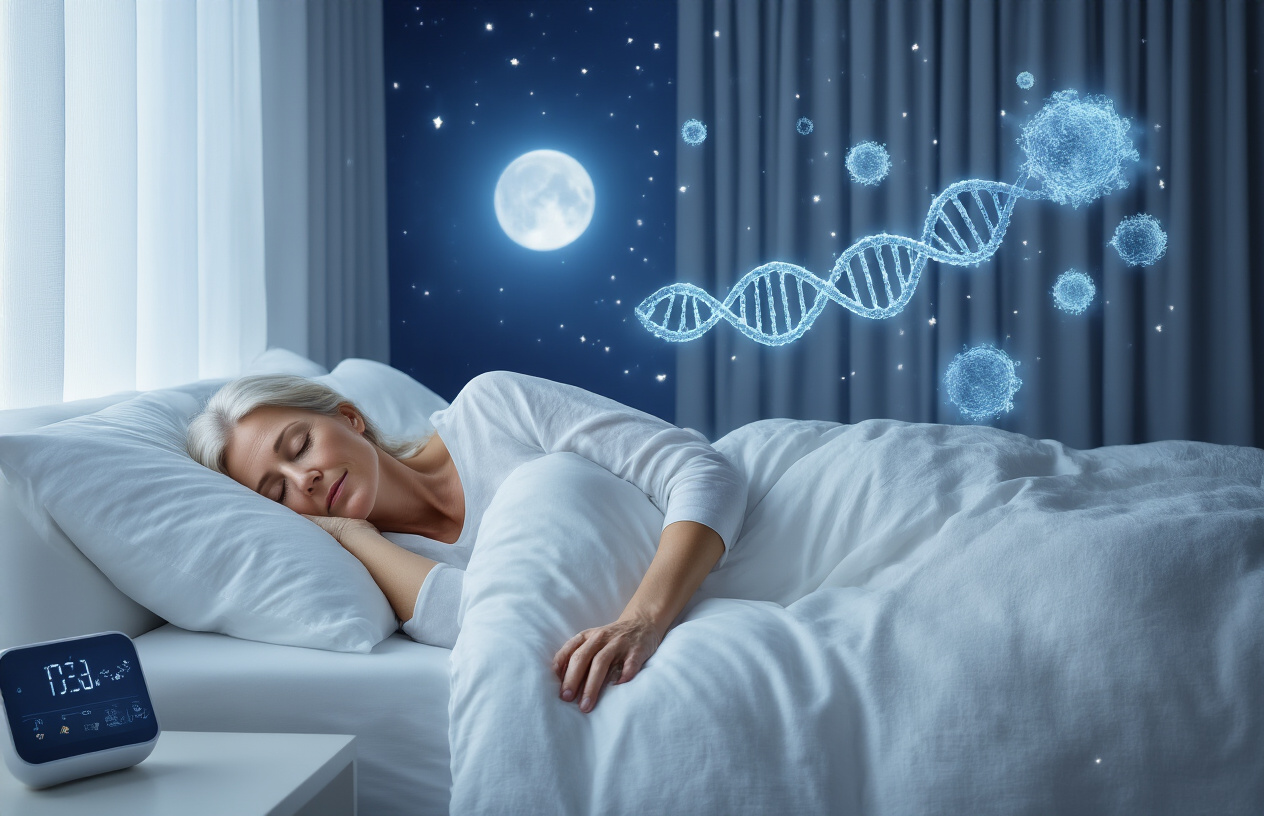

Your body thrives on predictability, especially when it comes to cellular regeneration techniques. Going to bed and waking up at the same time every day—even on weekends—sets your circadian rhythm into a powerful anti-aging mode. During those crucial 7-9 hours, your body repairs damaged cells, clears metabolic waste from your brain, and releases growth hormone that keeps you looking and feeling younger.
Start by picking a bedtime that allows for a full night’s rest before your natural wake time. If you’re currently sleeping 5-6 hours, don’t jump straight to 8 hours overnight. Gradually shift your bedtime 15 minutes earlier each night until you reach your target. This gentle approach prevents the frustration of lying awake staring at the ceiling.
Your sleep schedule becomes the foundation for everything else in your reverse aging naturally journey. When you’re well-rested, your body produces optimal levels of melatonin and growth hormone—two key players in the cellular repair process.
Use Blackout Curtains and Temperature Control for Deep Sleep
Light and temperature can make or break your sleep quality. Even tiny amounts of light from street lamps, electronics, or early morning sun can disrupt your melatonin production and prevent you from reaching the deep sleep stages where most cellular repair happens.
Invest in quality blackout curtains or blackout shades that completely block outside light. Cover any LED lights on electronics with black tape, and consider using an eye mask as backup. Your room should be so dark that you can’t see your hand in front of your face.
Temperature control is equally important for maximizing cellular regeneration techniques. Your core body temperature naturally drops 1-2 degrees as you fall asleep, signaling your body to begin repair mode. Keep your bedroom between 65-68°F (18-20°C) to support this natural cooling process.
| Sleep Environment Factor | Optimal Range | Impact on Anti-Aging |
|---|---|---|
| Room Temperature | 65-68°F (18-20°C) | Supports natural cooling, enhances deep sleep |
| Darkness Level | Complete blackout | Maximizes melatonin production |
| Humidity | 30-50% | Prevents respiratory disruption |
| Noise Level | Under 30 decibels | Reduces cortisol spikes during sleep |
Limit Blue Light Exposure 2 Hours Before Bedtime
Blue light from phones, tablets, computers, and TVs tricks your brain into thinking it’s daytime, suppressing melatonin production and disrupting your natural sleep-wake cycle. This interference can seriously impact the longevity lifestyle tips you’re trying to implement.
Two hours before your intended bedtime, switch all devices to night mode or use blue light filtering glasses. Better yet, create a digital sunset routine where you gradually reduce screen time as evening approaches. Replace scrolling with activities that support relaxation: reading a physical book, gentle stretching, meditation, or preparing for the next day.
If you absolutely must use devices in the evening, choose amber or red-tinted lighting. These wavelengths don’t interfere with melatonin production the way blue light does. Consider installing red night lights in hallways and bathrooms for late-night navigation without disrupting your sleep hormones.
Track Sleep Quality with Wearable Devices
Modern wearable technology offers incredible insights into your sleep patterns, helping you optimize your reverse aging naturally strategy with data-driven precision. Devices like fitness trackers, smartwatches, and dedicated sleep monitors can track your sleep stages, heart rate variability, and even detect when you’re entering deep sleep phases.
Look for devices that monitor:
Sleep stage breakdown (light, deep, REM sleep)
Sleep efficiency (time asleep vs. time in bed)
Heart rate variability during sleep
Blood oxygen levels
Room temperature and ambient light
This data helps you identify patterns and make targeted improvements. Maybe you’ll discover that eating late affects your deep sleep percentage, or that your room temperature is preventing optimal rest. Some advanced devices even offer gentle vibrating alarms that wake you during lighter sleep phases, helping you feel more refreshed.
Use your sleep data to experiment with different bedtimes, room temperatures, and pre-sleep routines. Track how changes in your environment or habits affect your sleep quality scores, then double down on what works best for your unique physiology.
2.Harness AI-Powered Nutrition for Anti-Aging
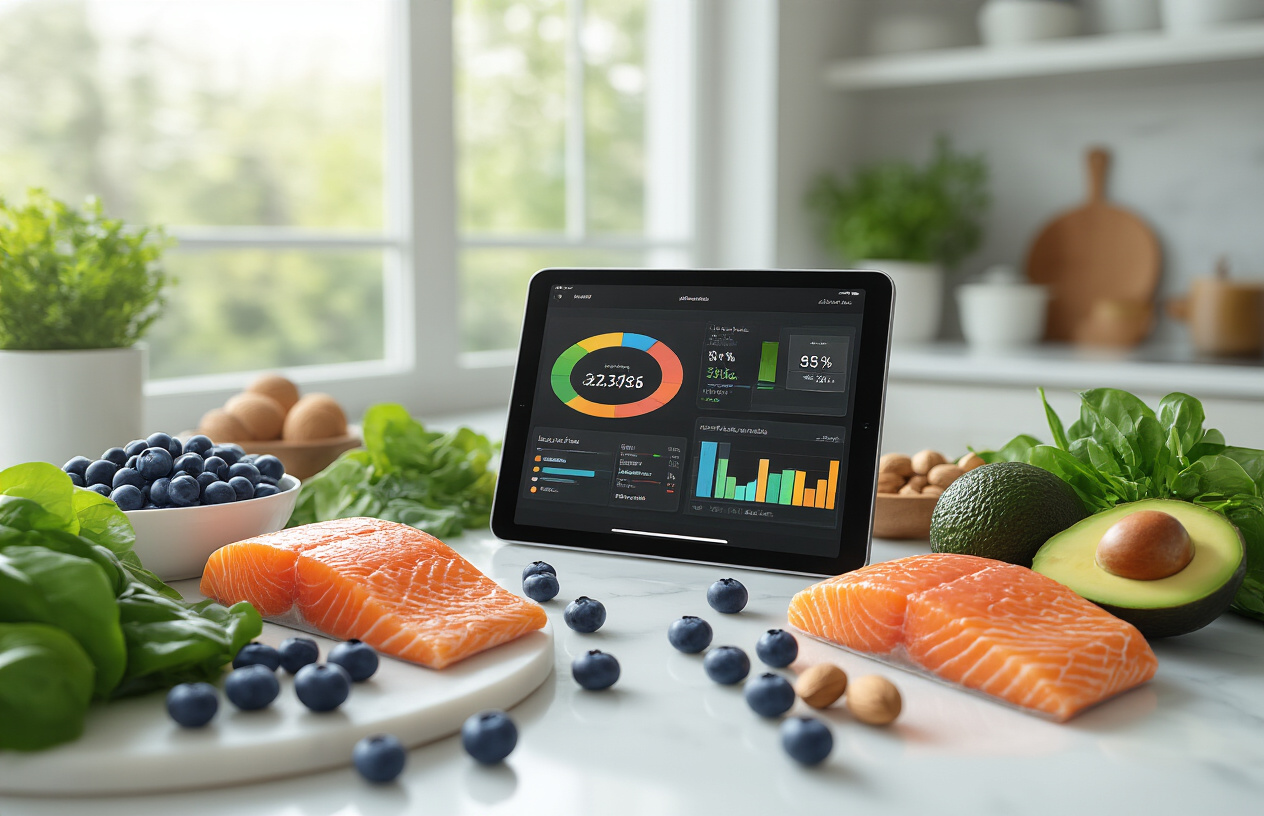
Use AI apps to personalize your macronutrient ratios
Smart nutrition apps are changing how we approach macronutrient distribution for optimal aging. These platforms analyze your metabolic profile, activity level, and health goals to create tailored protein, carb, and fat ratios that support cellular repair and longevity. MyFitnessPal AI and Cronometer use machine learning to adjust recommendations based on your body’s responses over time.
The key lies in understanding your unique metabolic fingerprint. AI tools can determine whether you thrive on higher protein intake for muscle preservation or if your body responds better to strategic carb cycling. These personalized ratios directly impact your body’s ability to reverse aging naturally by optimizing hormone production and cellular energy efficiency.
Track micronutrient deficiencies with smart analysis tools
Micronutrient deficiencies accelerate aging faster than most people realize. AI-powered platforms like Nutrient Optimiser and HumanOS analyze your food intake patterns to identify gaps that could be sabotaging your longevity goals. These tools cross-reference your dietary data with biomarker testing to pinpoint exactly which vitamins and minerals need attention.
The magic happens when these platforms connect micronutrient status to aging markers. Low magnesium levels correlate with poor sleep quality and accelerated cellular aging, while inadequate vitamin D impacts immune function and bone density. Smart analysis tools create actionable reports showing which foods to prioritize and which supplements might bridge critical gaps in your anti-aging nutrition plan.
Optimize meal timing based on circadian rhythm data
Your body’s internal clock governs more than sleep – it controls digestive enzyme production, hormone release, and metabolic efficiency throughout the day. Circadian rhythm apps like Rise Science and Oura Ring data integration help identify your optimal eating windows for maximum cellular regeneration benefits.
Eating during your biological prime time enhances nutrient absorption and reduces inflammatory stress on your system. Most people discover their metabolism peaks in the mid-morning and early evening, making these ideal windows for larger, nutrient-dense meals. Late-night eating disrupts growth hormone release and cellular repair processes that happen during sleep.
Monitor blood sugar responses to different foods
Continuous glucose monitors paired with AI analysis reveal how specific foods impact your aging process. Apps like NutriSense and Levels analyze your glucose patterns to identify foods that promote stable energy and those that create inflammatory spikes. These insights are game-changers for creating an anti-aging nutrition plan that works with your unique physiology.
Glucose variability directly impacts cellular aging through advanced glycation end products (AGEs) formation. AI algorithms can predict which food combinations will maintain steady blood sugar levels, reducing oxidative stress and supporting healthy cellular function. This personalized approach beats generic dietary advice every time.
Generate meal plans targeting longevity markers
AI meal planning platforms now design menus specifically targeting longevity pathways like autophagy, mitochondrial function, and telomere maintenance. These systems consider your preferences, schedule, and health goals while incorporating foods scientifically proven to support healthy aging.
Platforms like Eat This Much AI and PlateJoy create weekly meal plans rich in polyphenols, omega-3 fatty acids, and antioxidants that activate cellular repair mechanisms. The algorithms balance convenience with nutritional density, ensuring your longevity lifestyle tips actually fit into real life.
3.Implement Intermittent Fasting with Smart Monitoring
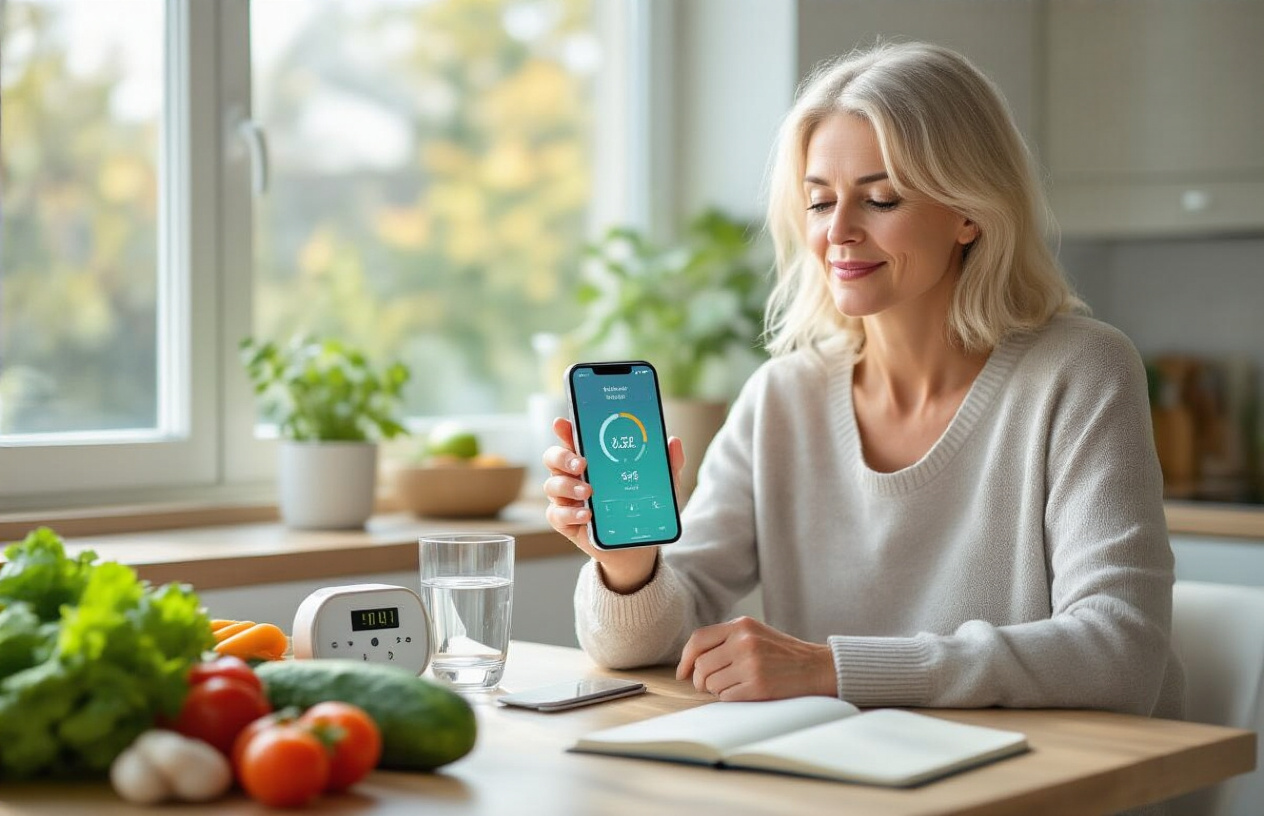
Choose the optimal fasting window for your lifestyle
Finding the right fasting window transforms intermittent fasting from a struggle into a sustainable anti-aging strategy. The 16:8 method works perfectly for beginners – you eat during an 8-hour window and fast for 16 hours. This typically means skipping breakfast and eating between noon and 8 PM. Your body gets plenty of time for cellular regeneration techniques without dramatic lifestyle changes.
For busy professionals, the 14:10 approach offers more flexibility while still triggering autophagy. Advanced practitioners often graduate to 18:6 or even 20:4 protocols, which amplify the longevity lifestyle tips benefits but require careful planning.
Your chronotype matters enormously. Night owls naturally gravitate toward skipping breakfast, while early risers might prefer skipping dinner instead. Listen to your body’s natural rhythms rather than forcing a schedule that creates unnecessary stress. Cortisol levels spike when you fight your biological clock, which actually accelerates aging rather than reversing it.
Start with your current eating patterns and gradually extend the fasting window by 30-60 minutes each week. This gentle approach prevents metabolic shock and helps your body adapt smoothly to using stored fat for energy.
Use AI tracking to monitor metabolic changes
Modern AI health coaching platforms revolutionize how we track fasting effectiveness. Continuous glucose monitors paired with smart apps reveal exactly how your body responds to different fasting windows. These devices show real-time metabolic shifts that were previously invisible.
Ketone breath analyzers now connect directly to smartphone apps, measuring when your body enters ketosis – the fat-burning state that drives many intermittent fasting benefits. Apps like Levels, Zero, and Life Fasting Tracker use machine learning to identify patterns in your metabolic data.
Your smartphone camera can even track biomarkers through AI-powered analysis. Some apps measure heart rate variability, which indicates how well your autonomic nervous system adapts to fasting stress. Others analyze facial features to detect inflammation markers or stress indicators.
Sleep quality data becomes incredibly valuable when combined with fasting metrics. AI algorithms identify correlations between fasting windows and sleep depth, helping you optimize both for maximum cellular regeneration. Many users discover their best sleep occurs when they finish eating 3-4 hours before bedtime.
The key is collecting consistent data across multiple biomarkers rather than focusing on single metrics. AI excels at finding complex relationships between variables that humans might miss.
Adjust fasting protocols based on biomarker feedback
Raw data means nothing without intelligent adjustments. AI anti-aging strategies shine brightest when they guide protocol modifications based on your unique biomarker patterns. If glucose levels remain elevated after 14 hours, extending your fasting window by 2 hours might push you into deeper ketosis.
Track energy levels throughout different fasting protocols. Some people thrive on 20-hour fasts twice weekly, while others perform better with consistent 16-hour daily fasts. Your biomarkers will reveal which approach optimizes cellular autophagy activation for your specific physiology.
Hormone fluctuations require careful attention, especially for women. Estrogen and progesterone levels affect how your body responds to fasting stress. AI coaching platforms now account for menstrual cycles, suggesting modified fasting schedules during different hormonal phases.
Recovery metrics tell the whole story. If heart rate variability drops or sleep quality degrades, your current protocol might be too aggressive. Smart adjustments might include shorter fasting windows on training days or modified schedules during high-stress periods.
| Biomarker | Optimal Range | Adjustment Strategy |
|---|---|---|
| Morning Glucose | 80-90 mg/dL | Extend fasting window |
| Ketones | 0.5-1.5 mmol/L | Maintain current protocol |
| HRV Score | Personal baseline +10% | Consider recovery day |
| Sleep Score | >85% | Continue current schedule |
Regular blood panels every 3-6 months provide deeper insights into inflammatory markers, lipid profiles, and metabolic health improvements. AI platforms increasingly integrate these clinical markers with daily tracking data for comprehensive optimization recommendations.
4.Leverage Exercise Science and AI Coaching
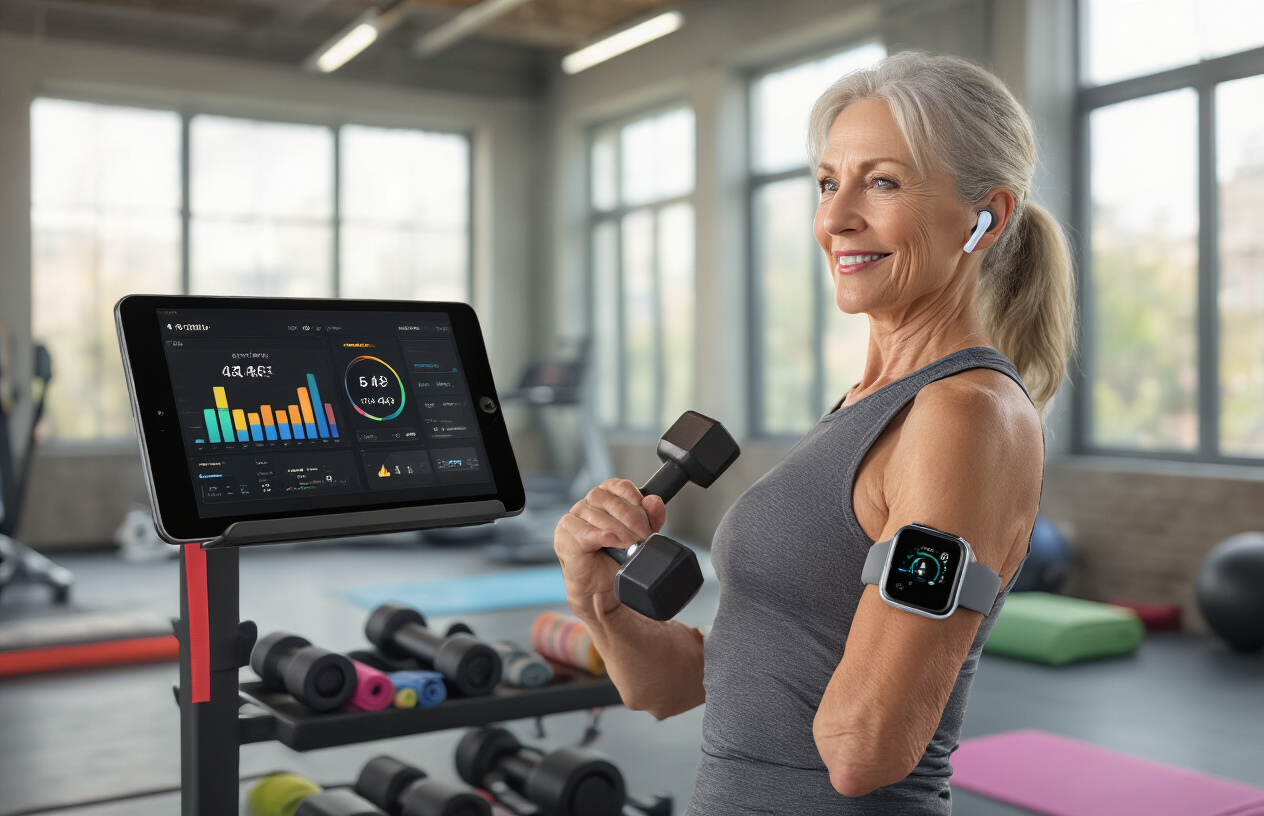
Design personalized workout routines using fitness AI
Modern fitness AI platforms analyze your unique physiology, movement patterns, and recovery capacity to create workout plans that specifically target cellular regeneration and longevity markers. These systems process data from wearables, movement assessments, and genetic information to determine whether you respond better to high-intensity interval training or steady-state cardio for optimal mitochondrial health.
AI coaching platforms like Freeletics, Fitbod, and Mirror adapt your exercises in real-time based on performance data. They track your heart rate variability, sleep quality, and stress levels to adjust workout intensity automatically. When your recovery metrics show signs of fatigue, the AI reduces load and focuses on mobility work that promotes blood flow and lymphatic drainage.
The most effective AI systems create periodized programs that cycle between strength phases, endurance blocks, and recovery periods. This approach prevents the chronic inflammation that accelerates aging while maximizing the anti-aging benefits of exercise-induced growth hormone and IGF-1 production.
Monitor recovery metrics to prevent overtraining
Recovery monitoring goes beyond simply tracking sore muscles. Advanced wearables measure heart rate variability, resting heart rate changes, and sleep architecture to provide objective recovery scores. These metrics reveal when your nervous system needs rest before symptoms of overtraining appear.
Key recovery markers include:
HRV trends: Declining heart rate variability indicates accumulated stress
Sleep efficiency: Poor deep sleep phases impair cellular repair processes
Morning resting heart rate: Elevated rates signal incomplete recovery
Subjective wellness scores: Mood, energy, and motivation assessments
AI systems like Whoop and Oura Ring compile this data into actionable recovery recommendations. They might suggest a light yoga session instead of strength training or recommend an extra hour of sleep when your body shows signs of stress accumulation.
Track strength and endurance improvements over time
Progressive overload remains the foundation of anti-aging exercise, but AI coaching makes tracking improvements more precise than traditional methods. Smart systems monitor velocity-based training metrics, analyzing how quickly you move weights to determine when to increase load safely.
Endurance tracking goes beyond simple distance and time measurements. AI platforms assess power output curves, lactate threshold improvements, and VO2 max changes to paint a complete picture of cardiovascular fitness gains. This data reveals whether your training is genuinely reversing cardiovascular aging markers or simply improving performance.
The most valuable tracking focuses on functional strength metrics that correlate with healthy aging:
| Metric | Anti-Aging Benefit |
|---|---|
| Grip strength | Correlates with overall mortality risk |
| Power-to-weight ratio | Indicates muscle quality over quantity |
| Balance and stability | Prevents falls and maintains independence |
| Mobility ranges | Preserves joint health and movement quality |
Optimize exercise timing for maximum anti-aging benefits
Circadian biology research shows that exercise timing significantly impacts its anti-aging effects. Morning workouts enhance insulin sensitivity and cortisol patterns, while evening sessions can disrupt sleep if scheduled too late. AI coaching platforms now incorporate chronotype data and sleep patterns to recommend optimal workout windows.
Research indicates that resistance training performed 2-3 hours before your natural bedtime maximizes growth hormone release during deep sleep phases. Meanwhile, high-intensity cardio works best during your circadian peak, typically mid-to-late afternoon for most people.
AI systems also optimize workout timing around meal schedules to enhance autophagy activation. Exercising in a fasted state increases cellular cleanup processes, while post-workout nutrition timing affects muscle protein synthesis and recovery. Smart coaching platforms coordinate these variables automatically, creating a synchronized approach that amplifies each intervention’s anti-aging benefits.
Temperature regulation plays a crucial role in exercise timing optimization. AI platforms consider ambient temperature, humidity, and your body’s thermal preferences to schedule workouts when you can maintain optimal core temperature without excessive stress.
5.Activate Cellular Autophagy Through Strategic Stress

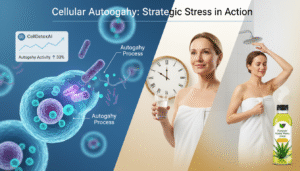
Your body has a built-in “cleanup crew” called autophagy—a process where cells break down and recycle damaged parts, keeping your system running smoothly. But here’s the twist: autophagy thrives on strategic stress. Think short-term, controlled challenges like intermittent fasting, light exercise, or even cold exposure.
AI doesn’t just guess what stressors work—it analyzes your unique biology. Tools like CellDetoxAI track your sleep patterns, blood sugar, and energy levels to recommend the right type and duration of stress for your body. For example, if your data shows you recover quickly from fasting, AI might suggest a 16-hour fast. If not, it could opt for a brisk 20-minute walk instead. By activating autophagy smartly, you’re giving your cells a fresh start.
6. Supplement Strategically with Data-Driven Insights


“Take vitamin D daily!” “Boost with omega-3s!” These generic tips often fall flat because your body’s needs are unique. AI changes the game by turning guesswork into science.
Imagine an app that scans your recent blood work, genetic data, and daily diet to spot nutrient gaps. NutriAI, for instance, might flag low antioxidant levels (common in aging) and recommend Forever Living’s Aloe Vera Gel—rich in enzymes and polysaccharides that combat oxidative stress. No more over-supplementing or missing critical nutrients. AI ensures you’re fueling your body with exactly what it needs, when it needs it.
7. Manage Stress and Cortisol Using Smart Technology

Chronic stress is aging’s silent enemy. High cortisol (the stress hormone) breaks down collagen, weakens immunity, and even shrinks brain volume. But AI is here to fight back.
Wearables paired with apps like StressGuardAI track your cortisol levels in real time, linking them to daily triggers (work deadlines, lack of sleep). If the app notices your cortisol spikes every evening, it might suggest a 10-minute guided meditation or a chamomile tea break. Over time, AI learns your patterns, turning stress management into a seamless habit. Lower cortisol? Smoother skin, better resilience, and slower aging.
8. Optimize Hormone Balance Through Lifestyle Modifications

As we age, hormones like estrogen, testosterone, and DHEA decline, leading to fatigue, weight gain, or mood swings. But AI doesn’t just diagnose imbalances—it crafts lifestyle fixes.
Take HormoneAI, which combs through your sleep logs, exercise routines, and even sun exposure to pinpoint hormonal dips. If low testosterone is detected, AI might recommend increasing vitamin D (from sunlight or supplements) and adding resistance training to your week. For estrogen balance, it could suggest more phytoestrogen-rich foods like soy or flaxseeds. Small tweaks, big results—hormones in check mean aging with vigor.
9. Enhance Cognitive Function and Brain Health
Aging affects more than your body; it can cloud memory and focus. But AI is your brain’s personal trainer.
Tools like BrainBoostAI use quick, gamified tests to track cognitive metrics (memory, processing speed). If your scores dip, AI suggests tailored fixes: 15 minutes of daily crossword puzzles, omega-3 supplements (Forever Living’s BrainFlex blend, perhaps), or even social outings to stimulate neural connections. By keeping your brain active and nourished, AI helps you stay sharp—turning “I’m forgetting” into “I’m remembering more.”
10. Create Your Personalized Longevity Dashboard
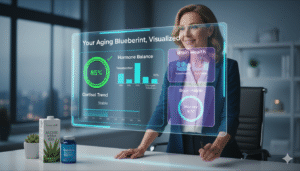
Juggling autophagy, supplements, cortisol, and hormones? That’s where your Longevity Dashboard steps in. This AI-powered hub aggregates all your health data—from lab results to workout logs—into one easy-to-read screen.
Visual graphs show trends (e.g., “Your collagen levels rose 10% after 3 months of aloe vera use”), while alerts remind you to take supplements or adjust your stress routine. It’s like having a personal longevity coach in your pocket, keeping you accountable and motivated.
Conclusion
AI isn’t here to replace nature—it’s here to work with it. By decoding your biology, predicting needs, and simplifying habits, AI transforms “reverse aging” from a vague goal into a daily reality. Whether you’re starting with autophagy or building a longevity dashboard, the key is personalization.
Your body holds the blueprint for aging well—AI just helps you read it. Ready to take control? Start small, stay consistent, and let technology guide your journey to a healthier, more vibrant future.