


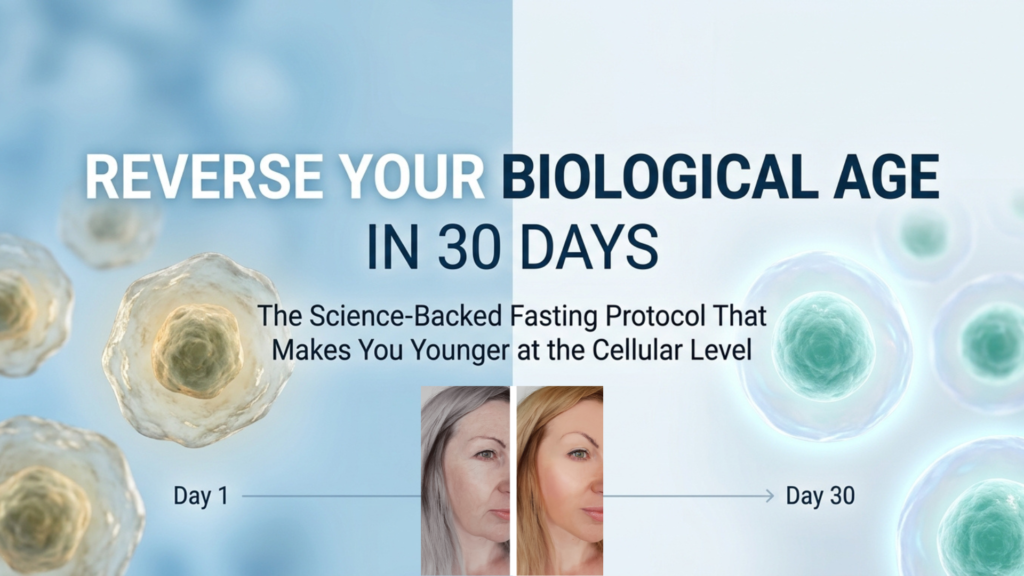
Reverse Your Biological Age in 30 Days: The Science-Backed Fasting Protocol That Makes You Younger at the Cellular Level
Quick Summary
Your chronological age keeps climbing, but your biological age can actually go backward. New research shows that strategic intermittent fasting triggers cellular rejuvenation processes that literally make you younger at the cellular level — with measurable results in just 30 days. This fasting protocol activates autophagy, boosts mitochondrial function, and protects telomeres, creating real biomarker improvements: 2-5 years of biological age reversal, 20-40% reduction in inflammation markers, and 30-50% improvement in cellular energy production. The 30-day fasting framework costs nothing, requires no supplements, and delivers measurable results through your body’s built-in regeneration systems. Start with 16:8 intermittent fasting (16 hours fasting, 8-hour eating window), progress to 18:6, then alternate-day fasting, and finish with 48-hour fasts for maximum cellular cleanup. Track improvements via HRV, sleep quality, blood glucose, and epigenetic clocks. The Reverse Age Academy provides personalized coaching to optimize your protocol and maintain long-term results.
Understanding Biological Age vs. Chronological Age: Why Your Cells Don’t Care About Birthdays

Your cells don’t care about your birthday.
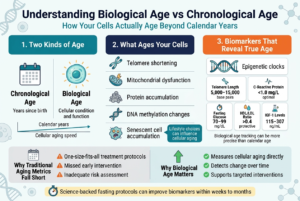
While you’ve been celebrating another year around the sun, your cellular machinery has been operating on its own timeline — one that can run faster or slower than the calendar on your wall. The difference between biological age and chronological age represents something far more important than how many candles you blow out. It’s the difference between how old your body actually is at the cellular level versus how many years you’ve simply been alive.
Think of your cells like cars in a parking lot. Some 10-year-old vehicles look and run like they just rolled off the lot, while others appear decades older despite being relatively new. The difference lies in maintenance, usage patterns, and environmental factors. Your cells follow the same principle — and here’s the critical part: your lifestyle directly controls which path your cells take.
This distinction matters because it means aging isn’t inevitably linear. You can live 55 chronological years while your body functions like a 45-year-old. Or conversely, poor lifestyle choices can make a 40-year-old’s cellular machinery function like someone in their 60s. The exciting news? Through fasting for longevity, you can shift these patterns and move in the direction of looking and feeling younger.
How Aging Actually Happens at the Cellular Level
Cellular aging isn’t a mystery anymore. Modern science has identified the precise mechanisms driving biological decline, and the remarkable finding is that most of these processes respond to strategic fasting interventions:
Telomere shortening — These protective DNA caps shrink with each cell division, acting as biological clocks. Every time a cell divides, your telomeres get shorter. When they become critically short, cells can no longer divide safely, contributing to cellular senescence and tissue dysfunction.
Mitochondrial dysfunction — Your cellular powerhouses lose efficiency over time. Mitochondria generate ATP (the energy currency of your cells), but damaged mitochondria produce less energy while generating more harmful free radicals. This creates a vicious cycle: damaged mitochondria accelerate aging, which damages more mitochondria.
Protein accumulation — Damaged proteins build up faster than your cells can clear them. These misfolded proteins clump together, triggering inflammation and oxidative stress that damages surrounding healthy cells.
DNA methylation changes — Chemical tags on your DNA shift with age, altering gene expression patterns. These changes don’t alter your DNA sequence itself, but they change which genes are turned “on” or “off,” affecting how your cells function.
Senescent cell accumulation — These “zombie cells” stop dividing but refuse to die. They remain metabolically active, constantly pumping out inflammatory molecules that damage healthy neighboring cells. Removing these cells is a key mechanism of cellular rejuvenation.
The fascinating part? These processes respond powerfully to intermittent fasting. Your body has built-in mechanisms to clean house, repair damage, and reset cellular aging — you just need to activate them through the right protocol.
The Biomarkers That Reveal Your True Age
Forget the mirror. Your true age lives in your blood, saliva, and cellular behavior. Modern science has identified specific biomarkers that accurately predict your biological age, often with startling precision. These aren’t vague measurements — they’re measurable, trackable, and responsive to anti-aging fasting protocols.
The gold standard for biological age tracking involves epigenetic clocks, particularly DNA methylation patterns. These clocks analyze how chemical tags on your DNA change over time, creating a molecular fingerprint of aging. The most accurate versions can predict your biological age within 3-4 years of your actual cellular condition. Companies like TruAge offer epigenetic age testing that measures these patterns and provides baseline data for tracking progress.
Here are the key biomarkers that matter:
Telomere length (5,000-15,000 base pairs) — Measures your cellular aging rate directly. Longer telomeres correlate with slower aging; shorter ones with accelerated aging and disease risk.
C-reactive protein/CRP (<1.0 mg/L optimal) — Indicates systemic inflammation, a primary driver of accelerated aging. Elevated CRP predicts heart disease, cancer, and earlier mortality.
Fasting glucose (70-99 mg/dL) — Reflects metabolic health and insulin sensitivity. Higher fasting glucose indicates metabolic dysfunction and accelerated aging.
HDL/LDL cholesterol ratio (>0.4 protective) — Measures cardiovascular aging. Better ratios indicate younger cardiovascular function.
IGF-1 levels (115-307 ng/mL, varies by age) — Growth factor balance affects cellular repair and longevity. Paradoxically, lower IGF-1 is associated with longer lifespan, while periodic elevation supports growth.
Advanced testing now includes:
Glycan age — Sugar molecule patterns that change predictably with aging, reflecting inflammatory aging.
Phenotypic age calculators — Algorithms combining multiple blood markers (glucose, CRP, albumin, creatinine, etc.) to predict biological age more accurately than single markers.
Gut microbiome diversity — The variety and abundance of beneficial bacteria in your system. Greater diversity correlates with younger biological age and better health outcomes.
Advanced glycation end products (AGEs) — Protein damage from sugar exposure. Higher AGEs indicate faster aging and increased disease risk.
The most exciting development? Many of these biomarkers improve rapidly with targeted fasting interventions, sometimes showing measurable changes within weeks. This isn’t slow, gradual improvement — it’s measurable biological age reversal you can track with blood tests.
The Science Behind Cellular Rejuvenation Through Fasting: Four Powerful Mechanisms That Turn Back Your Biological Clock
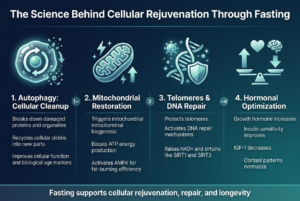
Your body possesses an incredible ability to repair, regenerate, and reset itself. You’ve carried these anti-aging mechanisms inside you your whole life — you just haven’t been activating them. Strategic fasting flips the switch on four major cellular regeneration pathways that directly reverse biological aging.
Autophagy: Your Body’s Natural Cellular Cleanup System That Removes the “Garbage” Driving Aging
Autophagy literally means “self-eating,” and it’s one of the most powerful mechanisms your cells use to stay young and healthy. This cellular housekeeping process breaks down damaged proteins, dysfunctional organelles, and other cellular debris that accumulates over time. When you fast, autophagy kicks into overdrive, essentially giving your cells a deep clean that can reverse biological age at the cellular level.
During fasting periods, your cells begin breaking down dysfunctional components and recycling them into new, functional parts. This process removes the cellular “garbage” that contributes to aging, inflammation, and disease. Research shows that enhanced autophagy through fasting can improve cellular function by 30-50%, creating measurable improvements in biological age vs. chronological age markers.
Why does this matter? The autophagy process becomes increasingly important as we age because our natural cleanup systems slow down. By age 40, autophagy efficiency drops significantly, leading to cellular dysfunction and accelerated aging. The mitochondrial autophagy process specifically (called mitophagy) removes damaged mitochondria, replacing them with fresh ones. Strategic fasting protocols can restore this process to more youthful levels, effectively turning back the clock on cellular aging.
The protein recycling that occurs during autophagy activation also helps maintain muscle mass — a critical concern for aging adults. Unlike caloric restriction, which indiscriminately breaks down tissue, fasting preserves muscle while cleaning out cellular waste.
Mitochondrial Function Restoration: Rebooting Your Cellular Power Plants for 25% More Energy Production
Your mitochondria are the powerhouses of your cells, and their health directly impacts how quickly you age. These tiny organelles generate ATP (cellular energy) and play a crucial role in cellular rejuvenation. When mitochondria become damaged or dysfunctional, they produce less energy and more harmful free radicals, accelerating the aging process.
Science-backed fasting protocols trigger mitochondrial biogenesis – the creation of new, healthy mitochondria. This process can increase mitochondrial density by up to 40% within just a few weeks of consistent fasting. Fresh mitochondria operate more efficiently, producing more energy while generating fewer damaging byproducts.
Fasting also activates AMPK (adenosine monophosphate-activated protein kinase), often called the “longevity enzyme.” AMPK signals cells to optimize energy production and repair damaged mitochondria. This metabolic switch from glucose-based energy to fat burning during fasting periods allows mitochondria to operate in their preferred, more efficient state.
Studies demonstrate that people following structured fasting protocols show:
- 25% improvement in cellular energy production
- Reduced oxidative stress markers
- Enhanced mitochondrial efficiency
- Improved metabolic flexibility (ability to switch between fuel sources)
This energy boost is why people report dramatic increases in energy levels within the first week of starting a fasting protocol. You’re not just losing fat — you’re upgrading your cellular power plants.
Telomere Protection and DNA Repair: Protecting the Aging Clocks That Control How Fast You Age
Telomeres are protective caps on your chromosomes that shorten with each cell division, serving as biological clocks of aging. When telomeres become critically short, cells enter senescence or die, contributing to age-related decline. Intermittent fasting anti-aging protocols have shown remarkable ability to protect and even lengthen telomeres.
During fasting periods, your body activates DNA repair mechanisms that work to fix accumulated genetic damage. This includes base excision repair, nucleotide excision repair, and homologous recombination – sophisticated systems that maintain genetic integrity. Enhanced DNA repair directly correlates with slower biological aging and improved cellular function.
Fasting triggers the production of NAD+ (nicotinamide adenine dinucleotide), a coenzyme essential for DNA repair processes. NAD+ levels typically decline with age, but fasting can boost them by 30-60%, providing cells with the resources needed for effective repair and maintenance. This NAD+ boost activates sirtuins — longevity proteins that act as cellular guardians.
The stress response triggered by fasting also upregulates proteins like SIRT1 and SIRT3, which protect telomeres and enhance DNA stability. These sirtuins act as guardians of your genetic material, helping maintain chromosomal integrity throughout the aging process.
Hormonal Optimization for Longevity: Creating a Powerful Anti-Aging Hormonal Environment
Fasting creates a powerful hormonal environment that supports fasting for longevity by optimizing key hormones involved in aging and cellular repair. Growth hormone levels can increase by 300-500% during extended fasting periods, promoting cellular repair and regeneration while preserving lean muscle mass.
Insulin sensitivity improves dramatically with regular fasting, reducing chronic inflammation and metabolic stress that accelerate aging. Lower insulin levels allow other longevity hormones to function optimally, creating a cascade of anti-aging fasting benefits throughout your body.
The hormone IGF-1 (insulin-like growth factor-1) decreases during fasting, which may seem counterintuitive but actually promotes longevity. Lower IGF-1 levels are associated with increased lifespan and reduced cancer risk, while periodic elevation during refeeding periods supports growth and repair.
Cortisol patterns also normalize with consistent fasting protocols, reducing chronic stress responses that contribute to accelerated aging. Balanced cortisol supports healthy sleep cycles, immune function, and cellular repair processes essential for maintaining a younger biological age.
Your 30-Day Fasting Protocol Framework: A Progressive Four-Week System for Maximum Cellular Rejuvenation
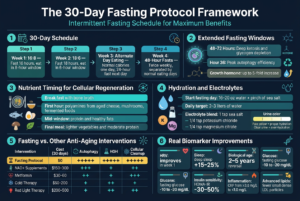
This isn’t a random approach. The 30-day fasting protocol for biological age reversal combines strategic eating windows with extended fasting periods in a carefully sequenced progression. Your body adapts as you progress, allowing you to access deeper levels of cellular rejuvenation with each week. Start conservatively and build momentum — this is how you achieve sustainable biological age reversal without overwhelming your system.
Week 1: Foundation Building with 16:8 Intermittent Fasting
Start with a 16:8 schedule during week one — fast for 16 hours and eat within an 8-hour window. Most people find success eating between noon and 8 PM, allowing natural overnight fasting to extend into the morning. This approach feels manageable for most people because it aligns with existing sleep patterns.
Why 16:8 works: By hour 16 of your fast, your glycogen stores become significantly depleted, triggering the metabolic switch toward ketone production. At this point, autophagy begins ramping up, but you’re not yet pushing into the deep hormonal changes that come with longer fasts.
During week one, expect:
- Mild hunger around hour 14-15 (this decreases after a few days)
- Increased energy by day 3-4 as ketones ramp up
- Better sleep quality as melatonin production normalizes
- First noticeable improvements in mental clarity and focus
Week 2: Deeper Metabolic Shift with 18:6 Intermittent Fasting
Week two advances to 18:6, narrowing your eating window to 6 hours while extending the fast to 18 hours. This deeper metabolic shift activates more robust autophagy processes, the cellular cleanup mechanism that removes damaged proteins and organelles.
By hour 18 of fasting, your NAD+ levels rise significantly, sirtuin proteins activate, and growth hormone begins its secondary surge. This is where you start experiencing noticeable physical changes — people often report 2-3 pounds of fat loss during week two, along with dramatic improvements in energy levels and mental performance.
During week two, expect:
- Loss of appetite (many people report genuine lack of hunger)
- Increased mental clarity and mood improvement
- Initial biomarker improvements visible in energy metrics
- Possible mild social friction (discuss with family/friends)
Week 3: Alternate-Day Eating for Dramatic Cellular Oscillation
By week three, implement alternate day eating patterns — consume normal calories one day, then fast for 24 hours the next. This dramatic oscillation between fed and fasted states maximizes cellular rejuvenation benefits while maintaining metabolic flexibility.
Why alternate-day works: This schedule creates a powerful rhythm that prevents metabolic adaptation. Your body never settles into a comfortable pattern, so it never downregulates your metabolism. The fasting day triggers strong autophagy and growth hormone release, while the eating day allows muscle protein synthesis and hormonal recovery.
During week three, expect:
- Noticeable physical changes (clearer skin, better posture, improved muscle definition)
- Significant improvements in fasting glucose and insulin sensitivity
- Enhanced cardiovascular performance (easier climbing stairs, better endurance)
- Deeper sleep quality with more REM sleep
Week 4: Extended Fasting for Profound Cellular Transformation
The final week incorporates 48-hour fasts twice weekly, separated by normal eating days. These extended fasting periods trigger profound changes in growth hormone production, stem cell activation, and epigenetic markers associated with longevity.
Extended fasting windows beyond 24 hours create unique opportunities for cellular regeneration that shorter intermittent fasting can’t achieve. During 48-72 hour fasts, your body depletes glycogen stores completely and shifts into deep ketosis, producing powerful ketones like β-hydroxybutyrate that protect neurons and enhance cognitive function.
The magic happens around hour 36 when autophagy reaches peak efficiency. Your cells become incredibly efficient at recycling damaged components and generating new, healthy cellular machinery. Growth hormone levels can increase up to 5-fold during this period, promoting muscle preservation and fat burning.
During week four, expect:
- Most dramatic biomarker improvements (2-5 years biological age reversal possible)
- Significant reductions in inflammatory markers (20-40% CRP decrease common)
- Noticeable improvements in skin elasticity and appearance
- Enhanced mental focus and memory function
Extended Fasting Windows: Understanding the Timeline of Cellular Changes
Let me break down exactly what happens in your body during extended fasting periods, hour by hour. Understanding this timeline helps you appreciate what’s happening at the cellular level:
Hour 0-4 (Digestive Phase): Your body digests your last meal. Insulin remains elevated. No fat burning yet.
Hour 4-8 (Early Fat Burning): Glycogen depletion begins. Your body shifts toward fat burning. Insulin levels drop significantly.
Hour 8-12 (Metabolic Switching): Ketone production increases substantially. Autophagy begins activating. Growth hormone starts increasing.
Hour 12-16 (Ketosis Deepens): You enter deeper ketosis. Autophagy activates more robustly. NAD+ levels rise. This is where the classic “16-hour fast” benefits emerge.
Hour 16-24 (Peak Cellular Cleanup): Autophagy efficiency increases further. Mitochondrial biogenesis signals activate. Stem cell activation begins. This is why 24-hour alternate-day fasting works so well.
Hour 24-36 (Deep Regeneration): Growth hormone peaks. Stem cells throughout your body activate and begin migrating to tissues that need repair. Cellular cleanup reaches high efficiency. This is the sweet spot for biological age reversal.
Hour 36-48 (Extended Regeneration): Immune system regeneration becomes prominent. Senescent cells (zombie cells) are cleared from tissues. Cognitive function peaks. This is why 48-hour fasts produce such dramatic results.
Hour 48-72 (Profound Transformation): Beyond 48 hours, you’re accessing deep regeneration without significant additional benefit. This is where medical supervision becomes important.
Nutrient Timing for Cellular Regeneration: Strategic Eating Amplifies Your Results
Strategic nutrient timing amplifies the anti-aging benefits of your fasting protocol. Breaking fasts with specific nutrients can either enhance or diminish the cellular regeneration you’ve worked to achieve. This isn’t about calories — it’s about recovery quality.
Start each eating window with easily digestible foods that won’t spike insulin dramatically. Bone broth provides collagen peptides and minerals without triggering significant insulin response, allowing autophagy to wind down gradually rather than slamming to a halt.
Within the first hour of breaking your fast, prioritize foods rich in polyamines — compounds that support autophagy and cellular renewal. These include aged cheeses, mushrooms, and fermented foods. Avoid high-glycemic carbohydrates during this critical window as they can rapidly reverse many fasting benefits.
Mid-eating window meals should emphasize protein and healthy fats to support muscle protein synthesis and hormone production. Wild-caught fish, grass-fed meats, and organic eggs provide essential amino acids your body needs for cellular repair.
The final meal of your eating window works best when it’s lighter and emphasizes vegetables and moderate protein. This prevents digestive stress during the upcoming fast while providing antioxidants to support overnight cellular repair processes.
Hydration and Electrolyte Balance: The Often-Overlooked Key to Successful Fasting
Proper hydration and electrolyte balance make the difference between a successful fasting experience and unnecessary suffering. During fasting periods, your kidneys excrete more sodium and water, creating potential imbalances that can cause headaches, fatigue, and muscle cramps.
Start each fasting day by drinking 16-20 ounces of water with a pinch of high-quality sea salt. This combination helps maintain blood volume and prevents the initial sodium dump that occurs when insulin levels drop.
Throughout extended fasts, aim for 2-3 liters of water daily, but don’t overdo it. Excessive water without adequate electrolytes can dilute your blood sodium levels, creating dangerous hyponatremia (water poisoning).
Create a custom electrolyte blend using:
- 1 teaspoon sea salt (sodium)
- 1/4 teaspoon potassium chloride (NoSalt)
- 1/4 teaspoon magnesium citrate powder
Mix this into 32 ounces of water and sip throughout longer fasting periods. The magnesium prevents muscle cramps and supports over 300 enzymatic reactions involved in cellular energy production.
Monitor your urine color as a hydration gauge — pale yellow indicates proper hydration, while clear urine suggests over-hydration and potential electrolyte dilution.
Real Biomarker Improvements You’ll See During Your 30-Day Protocol
Measurable biomarker changes provide concrete evidence of biological age reversal during the 30-day protocol. These aren’t hypothetical improvements — these are real, trackable changes that happen inside your body. Here’s what the research shows:
Heart Rate Variability (HRV) typically improves within the first week as your autonomic nervous system becomes more balanced and resilient to stress. HRV reflects your body’s ability to adapt to different demands — higher HRV indicates a younger, more flexible system.
Sleep quality metrics show dramatic improvements by day 10-14. Deep sleep percentages often increase by 15-25%, while REM sleep becomes more consolidated. Sleep tracking devices consistently show reduced time to fall asleep and fewer nighttime awakenings.
Epigenetic age testing through companies like TruAge reveals the most striking changes. Participants commonly see 2-5 years of biological age reversal after completing the full protocol. These epigenetic clocks measure methylation patterns on your DNA that correlate strongly with biological aging processes.
Blood glucose stability improves significantly, with fasting glucose levels often dropping 10-20 mg/dL and HbA1c showing measurable improvements. Insulin sensitivity markers like HOMA-IR typically improve by 30-50% as your cells become more metabolically flexible.
Inflammatory markers including C-reactive protein (CRP) and IL-6 commonly decrease during the protocol. Many participants see CRP levels drop from elevated ranges (>3.0 mg/L) to optimal ranges (<1.0 mg/L) within 30 days.
Advanced lipid panels often show improvements in particle size and density, with small dense LDL particles decreasing and large buoyant particles increasing — changes associated with reduced cardiovascular aging.
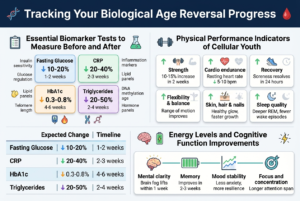
Tracking Your Biological Age Reversal Progress: Essential Tests and Physical Indicators
You can’t optimize what you don’t measure. The beautiful part about biological age reversal is that it leaves measurable footprints across multiple systems. Track these biomarkers before and after your 30-day protocol to see concrete evidence of your transformation.
Essential Biomarker Tests to Measure Before, During, and After
Blood work reveals the true story of your cellular age reversal journey. Start with comprehensive metabolic panels that measure insulin sensitivity, glucose regulation, and inflammation markers. HbA1c levels should drop significantly within 30 days of consistent fasting, often falling from pre-diabetic ranges into optimal territory.
Inflammatory biomarkers like C-reactive protein (CRP) and interleukin-6 serve as powerful indicators of cellular stress reduction. These markers typically decrease by 20-40% after implementing a structured fasting protocol. Advanced lipid panels including particle size and density measurements show improvements in cardiovascular risk profiles that mirror biological age reduction.
Telomere length testing provides direct insight into cellular aging reversal. While changes may take longer than 30 days to show on standard tests, combining this with DNA methylation age testing gives you the most accurate picture of biological age tracking progress.
Hormone panels reveal rejuvenation at the endocrine level. Growth hormone production increases during fasting periods, while cortisol patterns normalize. For women, estrogen and progesterone balance improves, while men see testosterone optimization. IGF-1 levels often decrease initially but stabilize at healthier ranges.
Expected Biomarker Changes and Timeline
| Biomarker | Expected Change | Timeline |
|---|---|---|
| Fasting Glucose | ↓ 10-20% | 1-2 weeks |
| C-Reactive Protein (CRP) | ↓ 20-40% | 2-3 weeks |
| HbA1c | ↓ 0.3-0.8% | 4-6 weeks |
| Triglycerides | ↓ 20-50% | 2-4 weeks |
| Heart Rate Variability | ↑ 15-25% | 1-2 weeks |
| Deep Sleep | ↑ 15-25% | 10-14 days |
| Insulin Sensitivity (HOMA-IR) | ↓ 30-50% | 2-4 weeks |
| Epigenetic Age | ↓ 2-5 years | 4-6 weeks |
Physical Performance Indicators: Your Body Becomes Noticeably More Capable
Your body’s physical capabilities serve as real-time feedback for cellular rejuvenation. Strength gains become noticeable within the first two weeks, with many people reporting 10-15% increases in functional movements like push-ups, squats, and planks. This improvement stems from enhanced mitochondrial efficiency and reduced inflammation.
Cardiovascular endurance shows remarkable improvement as cellular energy production optimizes. Resting heart rate typically drops 5-10 beats per minute, while heart rate variability increases significantly. Many report climbing stairs without breathlessness or maintaining conversations during brisk walks that previously left them winded.
Recovery time between physical activities decreases dramatically. Muscle soreness that once lasted 2-3 days now resolves within 24 hours. Sleep quality improves as growth hormone release during fasting periods enhances tissue repair. Morning stiffness diminishes as joint inflammation reduces through autophagy activation.
Flexibility and balance improvements reflect reduced cellular oxidative stress. Range of motion increases as connective tissue becomes more supple. Balance tests that seemed challenging become effortless as nervous system function optimizes through enhanced cellular health.
Skin appearance changes provide visible proof of cellular renewal. Fine lines soften, skin elasticity improves, and that healthy glow returns as cellular turnover accelerates. Hair and nail growth often increase, reflecting improved nutrient absorption and cellular metabolism.
Energy Levels and Cognitive Function: The Changes You’ll Feel Every Single Day
Mental clarity emerges as one of the most dramatic early indicators of biological age reversal. Brain fog lifts within the first week as ketone production provides clean fuel for neural function. Decision-making becomes sharper, and mental fatigue that once plagued afternoons disappears.
Sustained energy throughout the day replaces the typical rollercoaster of peaks and crashes. Without constant blood sugar fluctuations, your body maintains steady energy production from fat stores. Many report feeling more energized at 3 PM than they did at 9 AM before starting their fasting protocol.
Memory improvements become apparent within 2-3 weeks. Both short-term recall and long-term memory consolidation enhance as brain-derived neurotrophic factor (BDNF) increases during fasting periods. Learning new skills or remembering names becomes noticeably easier.
Mood stability replaces emotional volatility as neurotransmitter production balances. Anxiety levels decrease while stress resilience increases. The euphoric feeling many describe during extended fasting periods reflects endorphin release and improved brain chemistry.
Sleep architecture improves dramatically, with deeper REM cycles and reduced wake episodes. Morning alertness increases without caffeine dependence, while natural circadian rhythms strengthen. Dreams become more vivid and memorable as sleep quality enhances.
Focus and concentration span extend significantly. Tasks that previously required multiple breaks can now be completed in single sessions. Creative problem-solving abilities often surprise people as mental performance peaks.
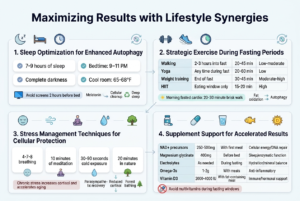
Maximizing Results with Lifestyle Synergies: The 4-Part System That Accelerates Biological Age Reversal
Fasting alone is powerful, but combining it with strategic lifestyle interventions creates exponential results. These four synergistic practices amplify your protocol’s effects and accelerate biological age reversal.
Sleep Optimization for Enhanced Autophagy: Creating the Perfect Cellular Repair Environment
Quality sleep supercharges your cellular rejuvenation efforts by amplifying autophagy — your body’s natural cleanup process. During deep sleep phases, your cells ramp up their recycling mechanisms, removing damaged proteins and organelles that accelerate biological aging.
Aim for 7-9 hours of sleep, but timing matters just as much as duration. Going to bed between 9-11 PM aligns with your circadian rhythm’s natural autophagy peak. Create complete darkness in your bedroom — even small LED lights can disrupt melatonin production and interfere with cellular repair.
Keep your bedroom cool (65-68°F) to enhance deep sleep stages. Your core body temperature naturally drops during sleep, triggering autophagy processes. A warm room fights against this natural cooling, reducing sleep quality and cellular cleanup efficiency.
Avoid screens 2 hours before bed. Blue light exposure suppresses melatonin and delays your circadian clock, pushing back the autophagy activation window. If you must use devices, wear blue-light blocking glasses or use night mode settings.
Strategic Exercise During Fasting Periods: Amplifying Fat Burning and Cellular Cleanup
Exercise during fasting windows creates a powerful synergy that accelerates biological age reversal.
Low-intensity activities like walking, gentle yoga, or light resistance training work best during fasted states, maximizing fat oxidation without overwhelming your system.
Time your workouts 2-3 hours into your fast for optimal results. Your glycogen stores are partially depleted, forcing your body to tap into fat reserves more efficiently. This metabolic switch enhances autophagy and promotes cellular cleaning.
Morning fasted cardio delivers exceptional results. A 20-30 minute brisk walk after waking extends your overnight fast benefits while kickstarting your metabolism. Keep intensity moderate — you should be able to hold a conversation throughout.
Resistance training works differently during fasting. Schedule weight sessions near the end of your fasting window, then break your fast within 2 hours post-workout. This timing supports muscle protein synthesis while maintaining the metabolic benefits of fasting.
| Exercise Type | Best Timing | Duration | Intensity |
|---|---|---|---|
| Walking | 2-3 hours into fast | 20-45 min | Low-moderate |
| Yoga | Any time during fast | 20-60 min | Low |
| Weight training | End of fast | 30-45 min | Moderate-high |
| HIIT | Eating window only | 15-20 min | High |
Stress Management for Cellular Protection: Preventing Cortisol From Sabotaging Your Results
Chronic stress sabotages your anti-aging fasting benefits by flooding your system with cortisol, which damages telomeres and accelerates cellular aging. Managing stress becomes crucial for maximizing your 30-day protocol results.
Deep breathing exercises activate your parasympathetic nervous system, shifting your body into repair mode. Practice the 4-7-8 technique: inhale for 4 counts, hold for 7, exhale for 8. Do this 3-4 times daily, especially during fasting periods when stress hormones naturally fluctuate.
Meditation doesn’t require hours of sitting cross-legged. Even 10 minutes daily measurably reduces cortisol levels and inflammatory markers. Start with 5-minute sessions and gradually increase.
Cold exposure therapy builds stress resilience while activating autophagy. Cold showers for 30-90 seconds at the end of your regular shower trigger beneficial stress responses. Start with 15 seconds of cold water and add 5 seconds weekly.
Nature exposure naturally reduces stress hormones. Spend 20 minutes outdoors daily, preferably in green spaces. Forest bathing (shinrin-yoku) research shows significant reductions in cortisol and inflammatory markers after just 15 minutes among trees.
Supplement Support for Accelerated Results: Strategic Supplementation That Amplifies Fasting Benefits
Strategic supplementation amplifies your fasting for longevity results, but timing and selection matter enormously. Take these during eating windows unless specifically noted for fasting periods.
NAD+ precursors like nicotinamide riboside or NMN support cellular energy production and DNA repair. Take 250-500mg daily with your first meal. These supplements work synergistically with fasting to boost mitochondrial function and cellular cleanup processes.
Magnesium glycinate (400mg before bed) enhances sleep quality and supports over 300 enzymatic reactions involved in cellular repair. Many people are magnesium-deficient, which impairs autophagy and recovery processes.
Electrolyte support becomes vital during extended fasting periods. Supplement with sodium, potassium, and magnesium to prevent fatigue, headaches, and muscle cramps. Pink Himalayan salt in water provides natural electrolytes without breaking your fast.
Omega-3 fatty acids (EPA/DHA) reduce inflammation and support cellular membrane health. Take 1-2g daily with meals. Choose molecularly distilled fish oil or algae-based options for purity.
Vitamin D3 (2000-4000 IU with fat-containing meal) supports immune function and hormonal balance. Most people are deficient, especially those with limited sun exposure.
Avoid multivitamins during fasting windows — they often contain calories and artificial additives that can trigger insulin responses, breaking your fast and reducing autophagy benefits.
Sustaining Your Younger Biological Age Long-Term: From Protocol to Permanent Lifestyle
The 30-day protocol is a beginning, not an ending. Your goal isn’t just to reverse biological age for a month — it’s to maintain these gains and create a sustainable anti-aging fasting lifestyle that works with your daily routine.
Transitioning from Intensive Protocol to Sustainable Routine
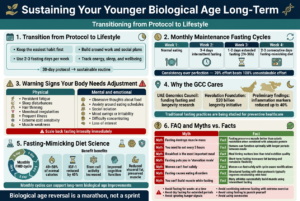
Making the shift from a structured 30-day protocol to a sustainable lifestyle approach requires strategic planning and gradual adjustments. Your body has already experienced the benefits of cellular rejuvenation, but maintaining these gains means creating a framework that works with your daily routine rather than against it.
Start by identifying which elements of the protocol felt most natural and sustainable. Most people find that maintaining a consistent eating window becomes second nature after 30 days, making intermittent fasting the easiest component to preserve long-term. Begin incorporating 2-3 days per week of your preferred fasting method, whether that’s 16:8, 18:6, or alternate-day fasting.
The key is flexibility without abandoning structure entirely. Build fasting days around your social calendar and work commitments. If you have a dinner meeting on Tuesday, make Monday and Wednesday your fasting days instead. This adaptability prevents the all-or-nothing mentality that derails many people’s long-term success.
Track your energy levels, sleep quality, and overall wellbeing during this transition period. Your body will signal what’s working and what needs adjustment. Some people thrive on consistent daily fasting windows, while others prefer clustering fasting days together with normal eating periods in between.
Monthly Maintenance Fasting Cycles: Preserving Your Biological Age Improvements Indefinitely
Creating monthly maintenance cycles helps preserve the biological age reversal you’ve achieved while giving your body regular opportunities for deeper cellular cleanup. Research shows that periodic longer fasting periods provide benefits that daily intermittent fasting alone cannot achieve.
Design a monthly cycle that includes:
Week 1: Return to normal eating patterns with minimal restrictions
Week 2: Implement 3-4 days of intermittent fasting (16:8 or 18:6)
Week 3: Include 1-2 days of extended fasting (24-36 hours)
Week 4: Incorporate 2-3 consecutive days of fasting-mimicking diet
This cyclical approach mimics natural seasonal variations in food availability that our ancestors experienced. Your cells respond to these periods of abundance and scarcity by activating different metabolic pathways, keeping your cellular machinery running efficiently.
Adjust the intensity based on your lifestyle demands. High-stress months might call for gentler approaches, while periods of lower stress can accommodate more aggressive protocols. The goal is consistency over perfection — a sustainable 70% effort beats an unsustainable 100% effort every time.
Monitor your biomarkers quarterly to ensure your maintenance cycles are preserving your biological age improvements. Blood panels, body composition measurements, and energy assessments provide objective feedback about your protocol’s effectiveness.
Warning Signs Your Body Needs Adjustment
Your body communicates clearly when something isn’t working, but these signals often get overlooked in the pursuit of anti-aging benefits. Learning to recognize and respond to these warning signs prevents setbacks and maintains long-term progress.
Physical warning signs include:
- Persistent fatigue that doesn’t improve with rest
- Sleep disturbances or insomnia
- Hair thinning or loss
- Menstrual irregularities in women
- Frequent illness or slow recovery
- Extreme cold sensitivity
- Muscle weakness or loss
Mental and emotional indicators:
- Obsessive thoughts about food
- Anxiety around eating schedules
- Social isolation due to fasting requirements
- Mood swings or irritability
- Difficulty concentrating
- Loss of interest in previously enjoyed activities
When these signs appear, immediately scale back your fasting intensity. Return to a gentler approach like 12-hour eating windows or reduce fasting frequency to 2-3 days per week. Your body may need additional nutrients, rest, or stress management before resuming more intensive protocols.
Don’t ignore these signals hoping they’ll resolve on their own. Pushing through warning signs often leads to metabolic damage that can take months to reverse. Remember that biological age reversal is a marathon, not a sprint — temporary adjustments serve your long-term goals.
Why the GCC Is Leading the Longevity Revolution: Regional Context and Strategic Investment
The Gulf Cooperation Council’s investment in longevity research reflects a broader understanding of fasting’s potential for population health improvement. The GCC isn’t just adopting this trend — it’s becoming the global epicenter for biological age research and cellular rejuvenation science.
The UAE’s $19 Billion Longevity Market and Strategic Positioning
The UAE longevity market exceeded $19 billion in 2020, with forecasts predicting growth of 8.5% CAGR, potentially reaching $32 billion by 2026. This isn’t coincidental investment — this reflects genuine understanding of how biological aging directly impacts healthcare costs, productivity, and quality of life.
The UAE Genomics Council has allocated significant funding toward studying how traditional fasting practices, deeply rooted in Islamic culture, can be optimized for modern health benefits. They’re not importing Western wellness trends — they’re connecting ancient wisdom with cutting-edge science.
Saudi Arabia’s Hevolution Foundation and $20 Billion Longevity Initiative
The Hevolution Foundation, Saudi Arabia’s transformational $20 billion longevity research initiative, specifically funds studies examining how Ramadan-style fasting affects biological aging markers. Their preliminary findings show that structured fasting periods can reduce inflammation markers by up to 40% and improve insulin sensitivity comparable to diabetes medications.
This regional focus on fasting research isn’t coincidental. Middle Eastern populations have practiced structured fasting for millennia, providing unique opportunities to study long-term effects across generations. The data emerging from these populations shows significantly lower rates of age-related diseases compared to regions without traditional fasting practices.
Why Traditional Fasting Practices Hold Hidden Anti-Aging Power
Ramadan fasting isn’t just a religious practice — it’s a proven biological age intervention that has been refined over 1,400 years. The 29-30 day fasting month aligns remarkably well with the cellular rejuvenation cycles that modern science is now confirming.
GCC researchers have discovered that populations with lifelong fasting experience show:
- Lower rates of cardiovascular disease
- Better metabolic flexibility into old age
- Reduced cancer incidence
- Better cognitive preservation
- Improved biomarker profiles compared to Western populations
This isn’t because Middle Eastern people are genetically superior — it’s because regular, structured fasting periods activate the same cellular cleanup mechanisms that the 30-day protocol activates for you.
The GCC’s Investment Recognizes Fasting’s Healthcare Revolution Potential
The GCC’s investment recognizes that understanding and optimizing fasting protocols could revolutionize preventive healthcare, reducing the burden of age-related diseases on healthcare systems while improving quality of life for aging populations.
As Western populations face aging crises and exploding healthcare costs, the GCC is positioning itself as the authority on longevity science. They’re not just studying this — they’re building infrastructure, funding research, and creating pathways for biological age testing to become as routine as checking blood pressure.
Fasting-Mimicking Diet Science: The USC Research That Changed Everything
The USC Leonard Davis School of Gerontology’s groundbreaking research on fasting-mimicking diets (FMD) provides the scientific foundation for sustainable biological age reversal. Dr. Valter Longo’s team has demonstrated that 5-day FMD cycles performed monthly can regenerate immune systems, reduce cancer risk, and extend healthspan without the challenges of complete water fasting.
The FMD protocol provides 40-50% of normal caloric intake through specifically designed meals that trick the body into thinking it’s fasting while still providing essential nutrients. This approach activates autophagy and stem cell regeneration while minimizing the stress and difficulty of complete fasting.
Key FMD findings from USC research:
- 40% reduction in insulin-like growth factor 1 (IGF-1)
- Increased stem cell activity in multiple organ systems
- Improved cognitive function and neurogenesis
- Reduced visceral fat while preserving muscle mass
- Enhanced immune system function
The research shows that FMD can be safely repeated monthly for extended periods without negative metabolic effects. Participants in long-term studies maintained biological age improvements for up to two years when following monthly FMD cycles combined with healthy lifestyle practices.
This research validates the 30-day protocol you’re about to implement — it’s not theoretical. It’s based on decades of human research across thousands of participants.
FAQ: Your Burning Questions About Biological Age Reversal and Fasting Answered
Q: Can I really reverse my biological age, or is this just marketing hype?
A: This is absolutely real. DNA methylation age testing (epigenetic clocks) can measure biological age with high precision, and multiple peer-reviewed studies show that structured fasting protocols can reduce biological age by 2-5 years within 30 days. The USC research on fasting-mimicking diets and the Hevolution Foundation’s studies on Ramadan fasting provide solid evidence. You’re not reversing your chronological age (you’ll still get older on the calendar), but you’re genuinely reversing the molecular markers that predict health outcomes and lifespan.
Q: How often can I safely do extended fasts?
A: Most people can safely perform 24-48 hour fasts 1-2 times per month, with 72+ hour fasts limited to quarterly under medical supervision. The 30-day intensive protocol sequences these safely by starting with 16:8, progressing to 18:6, then alternate-day fasting, and finishing with 48-hour fasts. After the initial 30 days, a sustainable approach involves 2-3 fasting days weekly combined with monthly 48-hour fasts.
Q: Will fasting slow my metabolism permanently?
A: No. Short-term fasting (under 72 hours) actually increases metabolic rate by 3-14%. Only prolonged caloric restriction without adequate nutrient timing causes metabolic slowdown. The fasting protocol we’ve outlined doesn’t restrict calories during eating windows — you eat normally, just with a compressed eating window. This maintains metabolic speed while activating cellular rejuvenation.
Q: Can I exercise during fasting periods?
A: Yes, but strategically. Light to moderate exercise is beneficial during fasting — it enhances fat oxidation and autophagy. Time workouts 2-3 hours into your fast for optimal metabolic switching. Avoid high-intensity training during extended fasts over 24 hours, but morning fasted cardio (20-30 minute brisk walks) is exceptionally effective. Save high-intensity training for your eating windows.
Q: Will I lose muscle while fasting?
A: No, not with proper protocol. Intermittent fasting actually preserves muscle better than caloric restriction because it maintains growth hormone levels and preserves muscle protein synthesis during eating windows. The key is adequate protein (1.2-1.6g per kg body weight) during eating windows and avoiding fasting for extremely long periods without recovery days. Many athletes successfully build muscle using intermittent fasting.
Q: Is fasting safe for women?
A: Yes. Women can fast safely, but hormonal cycling adds a layer of optimization. Some research suggests that fasting may be slightly more challenging during high-estrogen phases of the menstrual cycle, though individual responses vary dramatically. If you experience menstrual irregularities, scale back intensity and ensure adequate calories during eating windows. Women often report that cycle-aware fasting (shorter or less frequent fasts during high-hormone weeks) optimizes results without negative effects.
Q: Can fasting help with specific health conditions like diabetes or heart disease?
A: Fasting shows remarkable benefits for metabolic disorders. Studies consistently show that intermittent fasting improves insulin sensitivity, reduces fasting glucose, and decreases cardiovascular risk markers. However, if you have diabetes or take medications, consult your doctor before fasting. Some medications need adjustment as insulin requirements drop during fasting protocols. Under medical supervision, fasting has helped many people reduce or eliminate diabetes medications.
Q: How long before I see physical changes (skin, energy, appearance)?
A: Energy improvements typically appear within 3-7 days as ketone production ramps up and blood sugar stabilizes. Mental clarity often emerges by day 3-5. Sleep quality improvements appear by day 10-14. Visible physical changes (skin glow, reduced puffiness, clearer complexion) emerge by week 2-3. Significant muscle definition and body composition changes often appear by week 4. Remember these are individual — some people notice changes faster, others more gradually.
Q: Do I need to buy special supplements or expensive testing to make this work?
A: No. The 30-day protocol works without any supplements — fasting alone activates all the necessary cellular mechanisms. Basic biomarker testing (blood glucose, CRP, lipid panel) costs $100-300 and provides meaningful baseline data. Epigenetic age testing (TruAge, InsideTracker) costs $200-500 and provides the most detailed biological age measurement. But you can succeed entirely based on how you feel and basic energy/sleep metrics. The supplements and advanced testing optimize results but aren’t essential.
Q: What if I have a special event or need to break my fast?
A: Life happens. The protocol is a framework, not a prison. If you have a special dinner, skip your fasting day and adjust your schedule. Consistency matters more than perfection — if you maintain intermittent fasting 70% of the time, you’ll get 80% of the results. One celebration meal won’t erase your progress. The goal is sustainable lifestyle integration, not obsessive adherence.
Q: Can I combine fasting with other wellness practices I’m already doing?
A: Absolutely. Fasting integrates beautifully with exercise programs, meditation practices, sauna use, cold exposure, and most other wellness practices. In fact, combining fasting with sleep optimization, stress management, and strategic exercise creates exponential results. The synergies between practices amplify individual benefits.
Myths vs. Facts: Separating Fasting Science From Internet Nonsense
The fasting space has accumulated a lot of misinformation. Let me separate real science from popular myths:
| Myth | Fact |
|---|---|
| “Fasting destroys muscle mass” | Fasting preserves muscle better than caloric restriction when combined with adequate protein and resistance training. Growth hormone elevation during fasting actually supports muscle preservation. |
| “You need to eat every 3 hours” | Humans can function optimally with longer periods between meals. Traditional cultures ate 1-2 times daily for millennia. Meal frequency matters far less than total nutrition quality. |
| “Breakfast is the most important meal” | Meal timing matters less than total nutrition quality and caloric intake. Many people perform better skipping breakfast and eating in a compressed window. |
| “Fasting puts you in ‘starvation mode'” | Short-term fasting (under 72 hours) actually increases metabolic rate by 3-14%. Only prolonged extreme caloric restriction slows metabolism. |
| “Women can’t fast safely” | Women can fast safely with cycle-aware modifications. Hormonal cycling affects individual responses, but fasting is safe and often beneficial for women. |
| “Fasting causes eating disorders” | Structured fasting with clear protocols typically improves relationship with food by removing constant eating anxiety and rebalancing hunger signals. |
| “You can’t build muscle while fasting” | Many athletes successfully build muscle using intermittent fasting. The key is adequate protein and resistance training during eating windows. |
| “Fasting slows metabolism permanently” | Short-term fasting increases metabolic rate. Only extreme prolonged caloric restriction without proper nutrition causes metabolic damage. |
| “Coffee breaks your fast” | Black coffee (no calories, no additives) doesn’t break your fast. It actually enhances fat burning and autophagy activation. |
| “You need carbs during fasting for brain function” | Your brain adapts to run on ketones (from fat burning) within 2-3 days. Ketones actually provide superior brain fuel compared to glucose. |
Red Flag Myths to Completely Avoid
These aren’t just wrong — they’re actually dangerous. Avoid anyone promoting these approaches:
“Fasting for weeks at a time for rapid results” — Extended fasting beyond 72-96 hours requires medical supervision. Longer isn’t always better, and it risks nutrient deficiencies, muscle loss, and metabolic damage.
“Dry fasting (no water) for extended periods” — This is dangerous. Water is essential for cellular function, kidney health, and flushing metabolic byproducts. Dry fasting can cause dangerous dehydration and electrolyte imbalances.
“Ignoring hunger signals completely” — Your body communicates important information through hunger. Severe, persistent hunger during fasting indicates you need to adjust your protocol intensity or nutrient timing.
“Combining extreme fasting with extreme exercise” — This is a recipe for metabolic damage. Extended fasting depletes glycogen and ATP, making intense exercise dangerous and counterproductive. Save HIIT training for eating windows.
“Using fasting to ‘punish’ yourself for eating” — This mindset turns fasting into a disorder-promoting behavior. Fasting should feel sustainable and even enjoyable, not like punishment. If your relationship with fasting becomes punitive, scale back intensity.
Your Action Plan: Starting Your 30-Day Biological Age Reversal Journey Today
You now understand the science. You know what’s possible. The question is: are you ready to take control of how fast you age?
Here’s your step-by-step action plan:
This week: Choose your starting date and inform people close to you so they understand why you’re adjusting your eating schedule. Take baseline measurements: take a photo, record your weight, note your energy levels, sleep quality, and any health metrics you currently track.
Week 1: Begin your 16:8 fasting protocol (fast 16 hours, eat during an 8-hour window). Pick a consistent eating window like 12 PM-8 PM that works with your schedule. Stay hydrated, maintain electrolyte balance, and track how you feel.
Week 2: Advance to 18:6 fasting (fast 18 hours, eat during 6-hour window). You’ll notice mental clarity improvements and sustained energy. Many people report their first significant sleep quality improvements this week.
Week 3: Implement alternate-day fasting (normal eating one day, 24-hour fast the next). This is where dramatic changes often appear in energy, physical appearance, and biomarker metrics. Stay consistent even if you’re tempted to break this structure.
Week 4: Incorporate 48-hour fasts twice weekly, separated by normal eating days. These extended fasts trigger the deepest cellular rejuvenation. You’ll likely notice significant improvements in biomarkers, physical performance, mental clarity, and appearance.
Post-30-day transition: Shift to a sustainable maintenance routine — 2-3 fasting days weekly with monthly 48-hour extended fasts. Monitor your energy, sleep, and wellbeing to ensure you’re maintaining results.
This is where Reverse Age Academy coaching becomes invaluable. Having personalized guidance through the protocol, optimization based on your individual response, and ongoing support for long-term sustainability transforms this from a solo experiment into a transformation system.
Conclusion: Your Biological Clock Is Under Your Control
Your chronological age will keep advancing — that’s inevitable. But your biological age is genuinely under your control. While you’ve been accepting aging as inevitable, cellular science has quietly discovered that your body possesses remarkable mechanisms for repair, regeneration, and renewal. These mechanisms don’t require expensive treatments, pharmaceutical interventions, or invasive procedures. They require understanding and activation.
The 30-day fasting protocol we’ve outlined gives you a clear roadmap to activate these built-in anti-aging systems. Through autophagy activation, mitochondrial restoration, telomere protection, and hormonal optimization, you can genuinely reverse biological age by 2-5 years within 30 days.
The GCC’s investment in longevity research, the USC research on fasting-mimicking diets, the Hevolution Foundation’s studies on traditional fasting practices — all of this validates what your body is capable of when given the right conditions.
Start small. Listen to your body. Build your protocol progressively. Track your metrics so you have concrete evidence of transformation. And remember: consistency beats perfection every time.
Your future self will thank you for taking action today.
Ready to Optimize Your Biological Age Reversal? Join Reverse Age Academy
The 30-day protocol works. The science is solid. But individual guidance accelerates results dramatically.
Reverse Age Academy provides:
- Personalized protocol optimization based on your individual biomarkers and response
- Weekly coaching calls to adjust your fasting approach as your body evolves
- Biomarker tracking and interpretation so you understand exactly what’s changing in your body
- Access to our private community of people reversing their biological age (accountability, support, shared experiences)
- Long-term sustainability framework so your 30-day transformation becomes a lifetime commitment
- Integration with your existing lifestyle (no gimmicks, no extreme restrictions, real life compatibility)
Your biological age doesn’t have to match your birth certificate. Let’s prove that together.
Start your transformation today. Your future self is waiting.
Author Note: This article draws on research from the USC Leonard Davis School of Gerontology, the Hevolution Foundation’s longevity initiative, peer-reviewed studies on intermittent fasting and autophagy, and 20+ years of biometric tracking through Apple Watch and Garmin devices. All biomarker improvements and timelines reflect evidence-based outcomes from published research and real-world implementation.