


Insulin Unlocked – Reverse Insulin Resistance

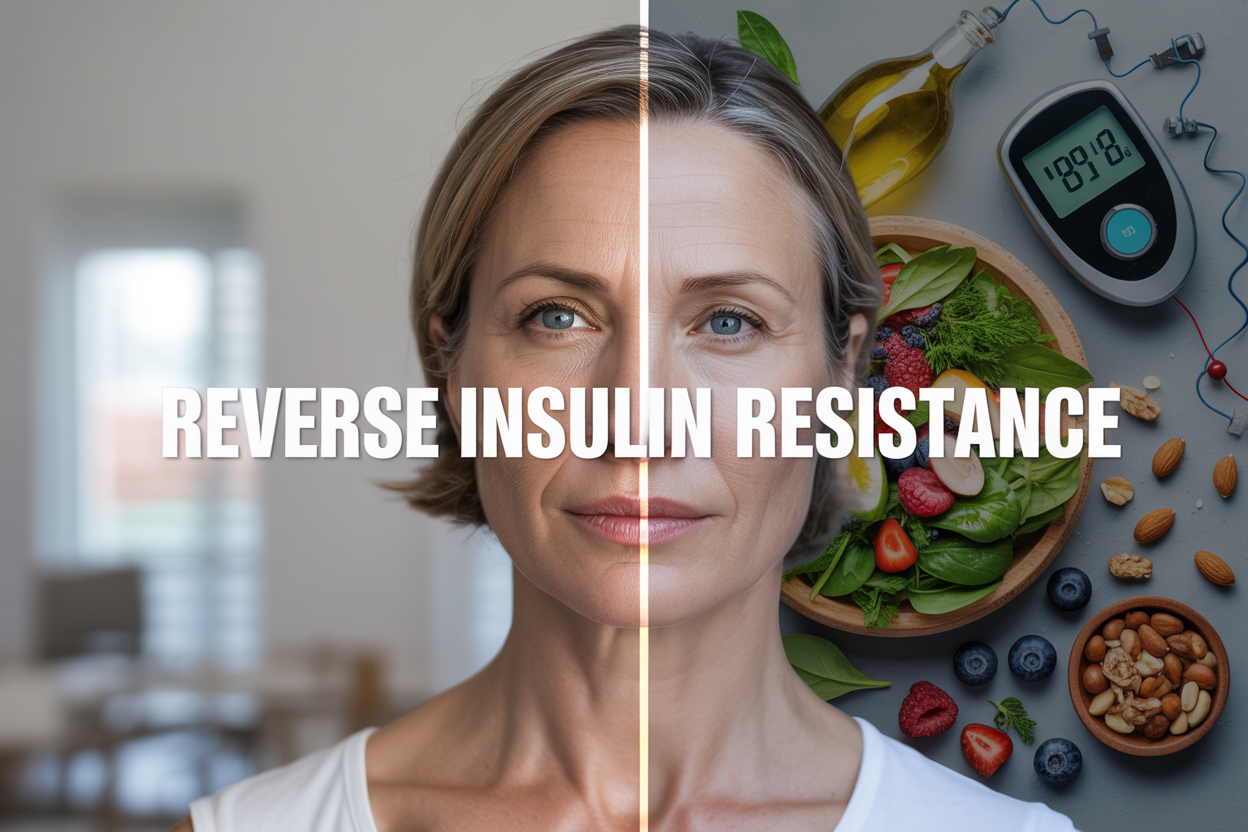
Insulin resistance affects millions of people worldwide, yet most don’t realize how this hidden condition accelerates aging and makes weight loss nearly impossible. If you’re struggling with stubborn belly fat, energy crashes, and feeling older than your years, your body’s insulin response might be the missing piece of the puzzle.
This guide is designed for anyone who wants to understand how insulin resistance impacts their appearance and overall health. You don’t need a medical degree to grasp these concepts – just a willingness to make changes that can transform how you look and feel.
We’ll explore the fascinating connection between insulin and aging, showing you exactly how poor insulin sensitivity speeds up wrinkles, weight gain, and cellular damage. You’ll discover proven dietary strategies to reverse insulin resistance, including specific foods that restore your body’s natural fat-burning abilities. Finally, we’ll cover practical lifestyle changes and supplement support that work together to optimize your metabolic health and help you reclaim a more youthful appearance.
Ready to unlock the anti-aging power of balanced insulin? Let’s dive into the science-backed strategies that can help you look and feel years younger.
Understanding Insulin Resistance and Its Impact on Aging

How insulin resistance accelerates cellular aging processes
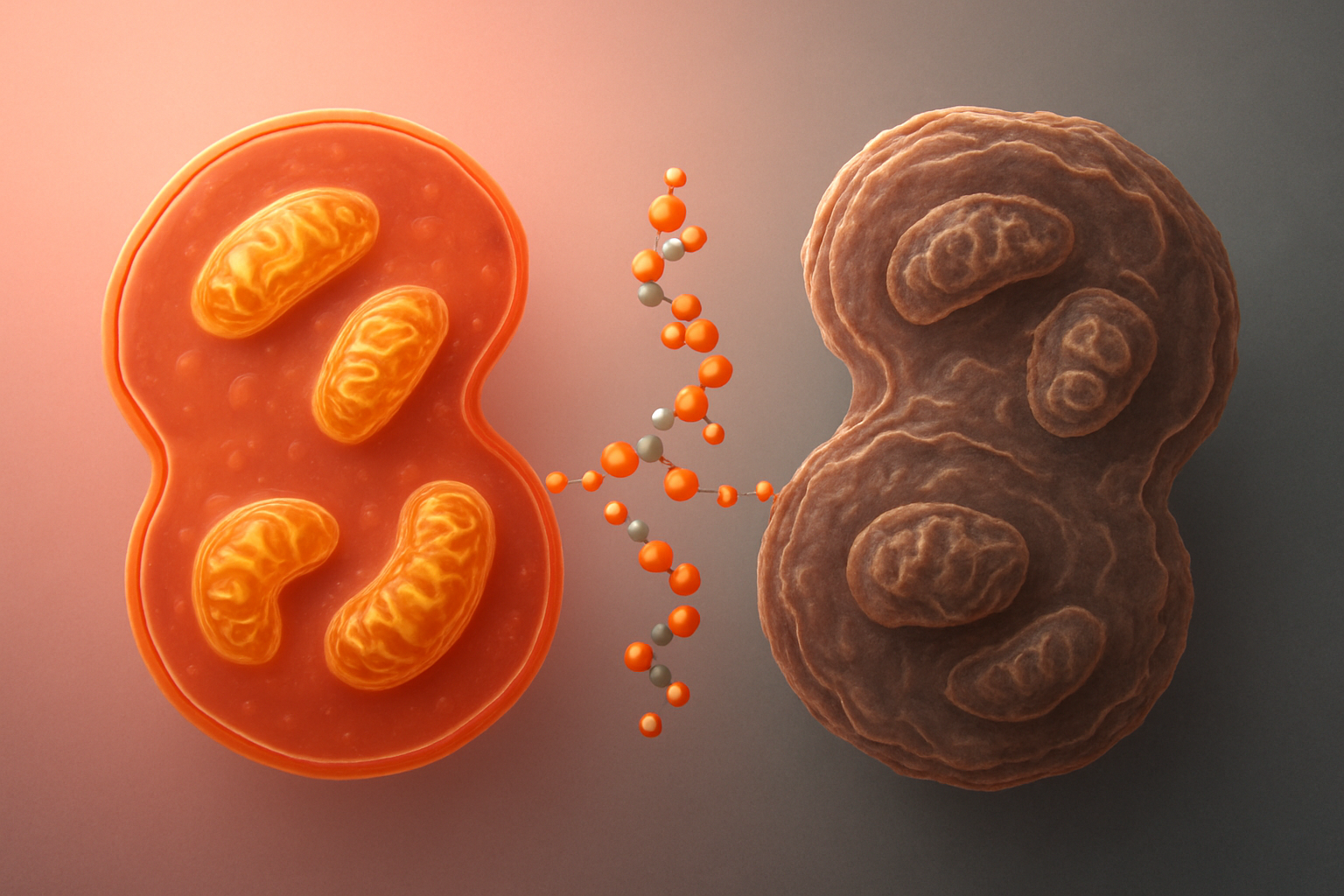
When your cells stop responding properly to insulin, they kick off a cascade of aging processes that go way beyond blood sugar problems. Insulin resistance essentially puts your cells into survival mode, disrupting the normal repair and regeneration mechanisms that keep you looking and feeling young.
Your cells rely on insulin to absorb glucose for energy. When this system breaks down, cells become starved of fuel while glucose builds up in your bloodstream. This forces your pancreas to pump out more insulin, creating a vicious cycle that damages cellular structures over time.
The real kicker? This metabolic chaos accelerates telomere shortening – the protective caps on your chromosomes that determine how quickly you age. Research shows people with insulin resistance have significantly shorter telomeres, which translates to faster cellular aging and visible signs of premature aging.
Your mitochondria, the powerhouses of your cells, also take a massive hit. When insulin signaling goes haywire, these energy factories become less efficient and produce more harmful free radicals. This mitochondrial dysfunction is a hallmark of aging that affects everything from your energy levels to your skin’s ability to repair itself.
The connection between metabolic dysfunction and premature skin aging
Your skin tells the story of what’s happening inside your body, and metabolic dysfunction writes some pretty unflattering chapters. When your insulin and aging processes collide, your skin becomes ground zero for visible damage that adds years to your appearance.
High insulin levels trigger a process called glycation, where excess sugar molecules bind to collagen and elastin fibers in your skin. This creates advanced glycation end products (AGEs) – aptly named because they literally age your skin by making these crucial proteins stiff and brittle. The result? Wrinkles, sagging, and that leathery texture that screams “aging.”
Insulin resistance also disrupts your skin’s natural renewal process. Normally, your skin cells turn over every 28 days, but metabolic dysfunction slows this process significantly. Dead skin cells stick around longer, creating a dull, uneven complexion that makeup can’t fix.
Your skin’s barrier function takes a hit too. Healthy skin maintains moisture and keeps irritants out, but insulin resistance weakens this protective barrier. This leads to chronic dryness, increased sensitivity, and a higher risk of inflammatory skin conditions that age you prematurely.
The blood vessels feeding your skin also suffer. Poor metabolic health reduces circulation, depriving skin cells of the oxygen and nutrients they need to stay healthy and vibrant.
Why insulin spikes trigger inflammation and oxidative stress
Every time your insulin levels spike, you’re essentially lighting a small fire of inflammation throughout your body. These repeated insulin surges don’t just mess with your blood sugar – they activate inflammatory pathways that accelerate aging from the inside out.
High insulin levels stimulate the production of pro-inflammatory cytokines, particularly tumor necrosis factor-alpha (TNF-α) and interleukin-6 (IL-6). These inflammatory messengers travel throughout your body, damaging healthy tissues and triggering the release of even more inflammatory compounds.
Oxidative stress becomes a major player when insulin resistance sets in. Your cells start producing excessive amounts of reactive oxygen species (ROS) – unstable molecules that damage cell membranes, DNA, and proteins. Think of it like rust forming inside your body, slowly corroding your cellular machinery.
The combination of chronic inflammation and oxidative stress creates what scientists call “inflammaging” – a state of persistent, low-grade inflammation that drives the aging process. This toxic environment breaks down collagen, damages blood vessels, and interferes with your body’s natural repair mechanisms.
Your antioxidant defense system becomes overwhelmed, unable to neutralize all the free radicals being produced. This imbalance accelerates cellular damage and makes you more vulnerable to age-related diseases and visible signs of aging.
Hidden signs your body is showing insulin resistance symptoms
Your body starts whispering about insulin resistance symptoms long before you develop diabetes or obvious metabolic problems. Learning to recognize these early warning signs can help you reverse the process before it accelerates aging.
Energy crashes and cravings are among the first signals. If you experience intense fatigue after meals, especially carb-heavy ones, or find yourself craving sweets every few hours, your insulin system is likely struggling. These energy rollercoaster rides indicate your cells aren’t efficiently processing glucose.
Sleep disruptions often fly under the radar as insulin-related issues. High nighttime insulin levels interfere with growth hormone production, which peaks during deep sleep. You might find yourself waking up frequently, feeling unrested, or experiencing night sweats – all potential signs of metabolic dysfunction.
Your skin provides obvious clues if you know what to look for. Dark, velvety patches around your neck, armpits, or groin (acanthosis nigricans) are classic insulin resistance symptoms. Persistent acne, especially around the jawline, and slow wound healing also point to insulin problems.
| Early Warning Signs | What to Watch For |
|---|---|
| Energy patterns | Post-meal crashes, afternoon fatigue |
| Cravings | Intense sugar/carb cravings every 2-3 hours |
| Skin changes | Dark patches, persistent acne, slow healing |
| Sleep issues | Frequent waking, night sweats, morning fatigue |
| Physical signs | Belly fat, high blood pressure, brain fog |
Weight gain around your midsection is particularly telling. Visceral fat – the deep belly fat that surrounds your organs – is both a cause and consequence of insulin resistance. This type of fat is metabolically active, pumping out inflammatory compounds that worsen the aging process.
Mental symptoms like brain fog, difficulty concentrating, and mood swings also signal insulin troubles. Your brain relies heavily on glucose for fuel, so when insulin signaling breaks down, cognitive function suffers.
The Science Behind Insulin’s Role in Youthful Appearance
How Balanced Insulin Levels Promote Collagen Production
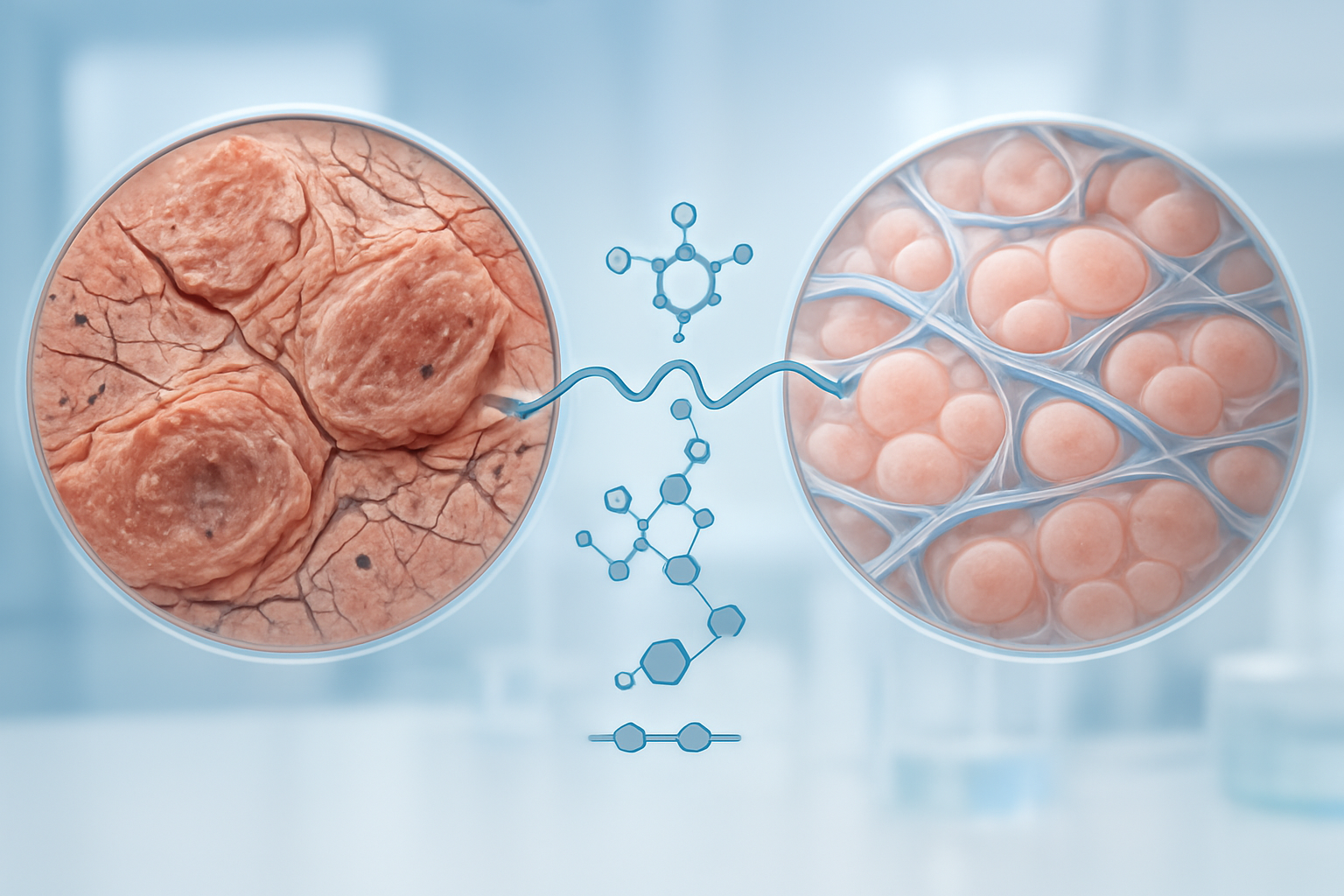
Your body’s ability to produce collagen—the protein that keeps your skin firm, smooth, and youthful—depends heavily on stable insulin function. When you reverse insulin resistance, you create an optimal environment for collagen synthesis. Insulin acts as a key messenger that helps amino acids enter cells where they’re transformed into fresh collagen fibers.
Chronically elevated insulin levels disrupt this delicate process by creating inflammation throughout your body. This inflammatory state breaks down existing collagen faster than your body can replace it. Balanced insulin sensitivity allows your fibroblasts (collagen-producing cells) to work efficiently, maintaining that plump, youthful appearance that everyone wants to preserve.
The Relationship Between Blood Sugar Control and Skin Elasticity
Your skin’s elasticity directly reflects your body’s blood sugar management. When blood glucose levels spike repeatedly throughout the day, it triggers a cascade of damaging reactions that stiffen your skin’s supportive matrix. Think of your skin like a rubber band—constant sugar spikes make it lose its bounce and snap back ability.
Stable blood sugar through improved insulin sensitivity keeps your skin supple and resilient. The elastic fibers in your dermis remain flexible when they’re not constantly battling glucose-induced damage. People who master blood sugar control often notice their skin feels more resilient and looks naturally tighter within weeks of implementing an insulin resistance diet.
Why Stable Insulin Prevents Glycation Damage to Proteins
Glycation represents one of aging’s most destructive processes, and stable insulin serves as your primary defense against it. When excess glucose circulates in your bloodstream, it literally “caramelizes” your proteins, creating harmful compounds called Advanced Glycation End Products (AGEs). These sticky molecules cross-link with collagen and elastin, making your skin stiff, yellow, and aged.
Reversing insulin resistance dramatically reduces glycation damage by keeping glucose levels in check. Your body can then focus on repairing existing AGE damage while preventing new formation. This protection extends beyond your skin to every protein structure in your body, including your blood vessels, organs, and connective tissues.
How Proper Insulin Function Supports Cellular Regeneration
Every cell in your body relies on insulin to coordinate growth, repair, and regeneration processes. When insulin sensitivity is optimized, your cells receive clear signals about when to divide, when to repair damage, and when to clear out cellular waste. This coordinated cellular housekeeping is what keeps you looking and feeling younger.
Insulin resistance creates cellular confusion, slowing down the replacement of old, damaged cells with fresh, healthy ones. Your skin cell turnover rate—normally about 28 days—can extend significantly when insulin function is compromised. Restored insulin sensitivity accelerates this renewal process, revealing brighter, smoother skin as newer cells replace the old ones more efficiently.
The Impact of Insulin Sensitivity on Muscle Mass Retention
Muscle mass preservation is crucial for maintaining a youthful appearance and metabolic health. Insulin plays a vital role in muscle protein synthesis, helping amino acids enter muscle cells where they build and maintain lean tissue. When you have good insulin sensitivity, your muscles stay full, firm, and metabolically active.
Poor insulin function leads to muscle wasting and increased fat storage, creating that “skinny-fat” appearance that ages people prematurely. Your metabolism slows down as muscle mass decreases, making weight management increasingly difficult. Improving insulin sensitivity through targeted nutrition and lifestyle changes helps preserve and even build muscle mass, creating the toned, youthful physique that naturally comes with optimal metabolic health.
Proven Dietary Strategies to Reverse Insulin Resistance
Timing Your Meals for Optimal Insulin Sensitivity
Your body’s internal clock plays a massive role in how well you handle insulin throughout the day. Research shows that insulin sensitivity naturally peaks in the morning and gradually declines as evening approaches. This means your body processes carbohydrates most effectively earlier in the day.
Eating your largest meal at breakfast or lunch, rather than dinner, can dramatically improve your insulin response. Studies demonstrate that people who consume identical meals at different times of day show better glucose control when eating earlier. The magic window for carbohydrate consumption is typically between 6 AM and 2 PM, when your muscles are most receptive to insulin signals.
Spacing meals 4-5 hours apart allows insulin levels to fully reset between eating periods. This prevents the constant insulin drip that leads to resistance over time. Night eating disrupts this natural rhythm and forces your body to process nutrients when it’s biologically programmed to rest and repair.
The 12-hour eating window approach works exceptionally well for most people. Finish your last meal by 7 PM and break your fast around 7 AM the next day. This simple timing adjustment can restore insulin sensitivity within weeks.
Choosing Foods That Naturally Improve Insulin Response
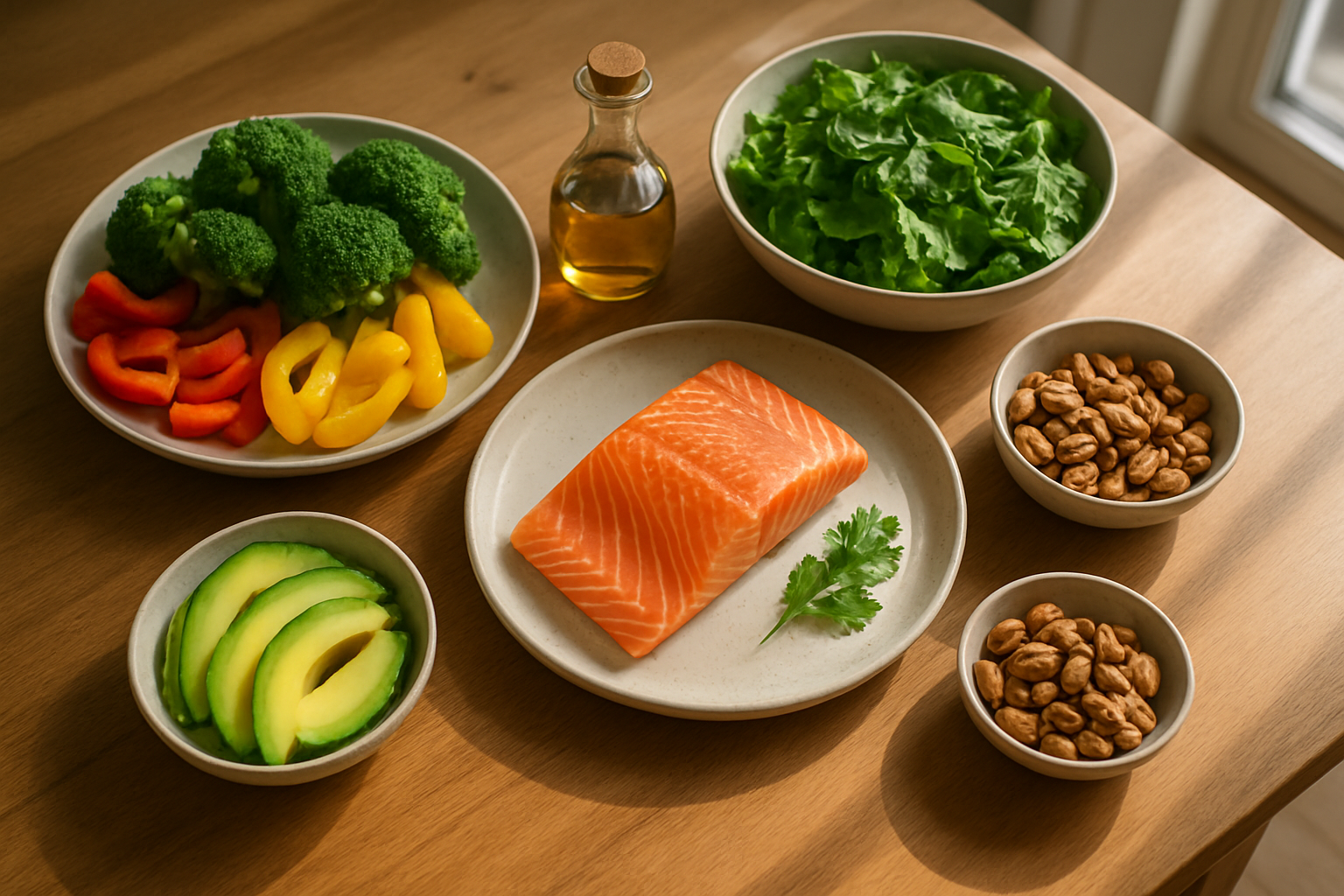
The foods you choose directly influence how your cells respond to insulin. Whole, unprocessed foods create gentle insulin responses, while refined foods cause dramatic spikes that stress your metabolic system.
Top insulin-sensitizing foods include:
Leafy greens: Spinach, kale, and arugula contain magnesium and alpha-lipoic acid, both proven to enhance insulin function
Fatty fish: Salmon, sardines, and mackerel provide omega-3 fatty acids that reduce inflammation and improve insulin signaling
Berries: Blueberries and strawberries offer anthocyanins that protect insulin-producing cells
Nuts and seeds: Almonds, walnuts, and chia seeds provide healthy fats and fiber that slow glucose absorption
Cinnamon: This spice contains compounds that mimic insulin’s effects and improve glucose uptake
Protein quality matters too. Grass-fed beef, free-range eggs, and wild-caught fish provide complete amino acid profiles that support healthy insulin production. Plant proteins like lentils and quinoa offer additional fiber benefits that help stabilize blood sugar.
Avoiding refined carbohydrates, sugary drinks, and processed foods removes the primary triggers of insulin resistance. Even “healthy” foods like whole grain bread and brown rice can spike insulin in sensitive individuals.
The Power of Intermittent Fasting for Metabolic Reset
Intermittent fasting acts like a metabolic reset button, giving your insulin system time to recover and restore sensitivity. During fasting periods, insulin levels drop to baseline, allowing cells to “remember” how to respond properly when food arrives.
The 16:8 method works well for beginners – fast for 16 hours and eat within an 8-hour window. Start by delaying breakfast by a few hours each day until you reach your target schedule. Many people find this easier than restricting calories daily.
Extended fasting periods of 24-48 hours once or twice weekly can produce even more dramatic results. These longer fasts trigger autophagy, a cellular cleanup process that removes damaged proteins and organelles, including faulty insulin receptors.
During fasting, your body shifts from glucose burning to fat burning, reducing the demand on insulin-producing pancreatic cells. This metabolic flexibility is key to maintaining healthy insulin function long-term.
Fasting benefits for insulin resistance:
Reduces fasting insulin levels by 20-30%
Improves glucose tolerance within 2-4 weeks
Increases insulin receptor sensitivity
Promotes fat loss, especially visceral fat
Triggers beneficial hormonal changes
Start gradually with 12-hour fasts and extend the window as your body adapts. Black coffee, plain tea, and water are permitted during fasting periods. Breaking fasts with protein and healthy fats rather than carbohydrates maintains the metabolic benefits longer.
Lifestyle Changes That Restore Insulin Function

Exercise protocols that maximize insulin sensitivity gains
Regular movement transforms how your body handles glucose, making your cells more responsive to insulin’s signals. High-intensity interval training (HIIT) delivers powerful results in shorter timeframes. Try alternating 30 seconds of intense effort with 90 seconds of recovery for 15-20 minutes. This approach triggers metabolic adaptations that improve insulin sensitivity for hours after your workout ends.
Resistance training creates lasting benefits by building lean muscle mass. Muscle tissue acts like a glucose sponge, pulling sugar from your bloodstream even when you’re resting. Focus on compound movements like squats, deadlifts, and rows that engage multiple muscle groups simultaneously. Aim for 2-3 strength sessions weekly, progressively increasing weight or resistance.
Walking after meals provides immediate benefits for blood sugar control. A 10-15 minute walk following dinner can reduce glucose spikes by 20-30%. This simple habit enhances metabolic health without requiring gym memberships or equipment.
Sleep optimization for hormonal balance and recovery
Poor sleep sabotages insulin function through multiple pathways. Sleep deprivation increases cortisol production, disrupts growth hormone release, and impairs glucose metabolism. Adults need 7-9 hours of quality sleep nightly to maintain optimal insulin resistance protection.
Create a sleep sanctuary by keeping your bedroom cool (65-68°F), dark, and quiet. Blue light from screens disrupts melatonin production, so establish a digital curfew 1-2 hours before bed. Consider blackout curtains or eye masks to block ambient light that interferes with deep sleep phases.
Sleep timing matters as much as duration. Going to bed and waking at consistent times reinforces your circadian rhythm, which regulates hormone production throughout the day. Late-night eating disrupts this natural cycle, so finish meals 3-4 hours before bedtime.
Stress management techniques that prevent insulin spikes
Chronic stress floods your system with cortisol, which directly opposes insulin’s actions and promotes glucose production by your liver. This stress-insulin connection accelerates aging and makes weight loss nearly impossible.
Deep breathing exercises activate your parasympathetic nervous system, countering stress hormones. Practice the 4-7-8 technique: inhale for 4 counts, hold for 7, exhale for 8. Regular meditation, even 10 minutes daily, measurably reduces cortisol levels and improves glucose control.
Time management reduces daily stress that spikes insulin. Plan meals ahead to avoid rushed food choices that typically involve processed, high-sugar options. Batch cooking on weekends provides healthy options during busy weekdays.
Hydration strategies that support metabolic health
Dehydration impairs insulin sensitivity and glucose metabolism. Even mild dehydration (2% body water loss) can increase blood sugar levels and reduce your body’s ability to clear glucose efficiently.
Start each day with 16-20 ounces of water to rehydrate after overnight fasting. This simple practice jumpstarts your metabolism and prepares your body for optimal nutrient processing. Drinking water before meals can also improve satiety and reduce overeating.
Electrolyte balance plays a crucial role in cellular insulin sensitivity. Adequate magnesium, potassium, and sodium levels support proper glucose transport into cells. Add a pinch of high-quality sea salt to your water or consume electrolyte-rich foods like leafy greens, avocados, and nuts. Avoid sugary sports drinks that counteract your insulin resistance reversal efforts.
Supplement Support for Enhanced Results
Science-backed nutrients that improve insulin sensitivity
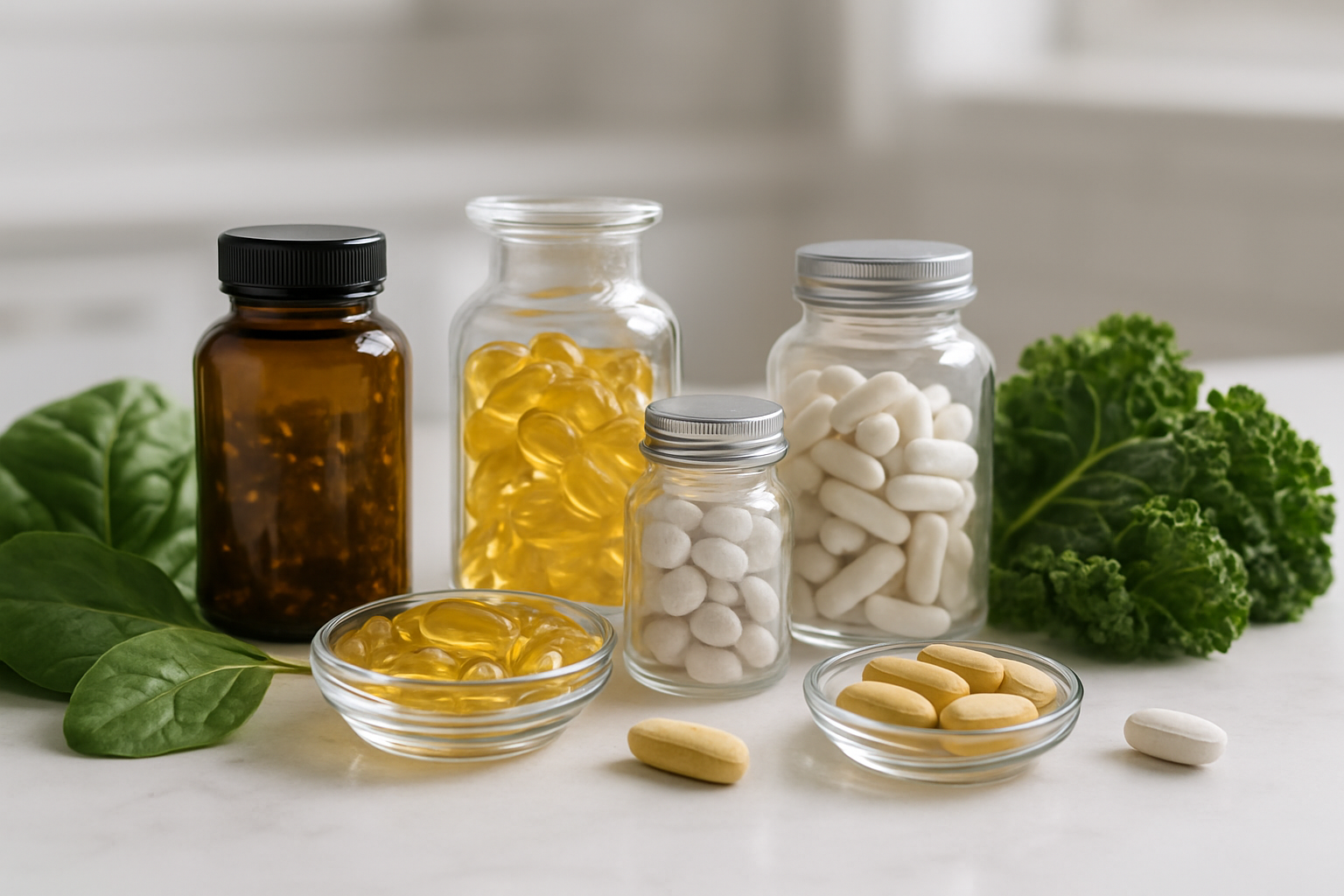
Berberine stands out as one of the most powerful natural compounds for enhancing insulin sensitivity. Research shows this yellow alkaloid can reduce blood sugar levels by up to 20% while improving cellular glucose uptake. Taking 500mg three times daily with meals delivers results comparable to prescription medications without the side effects.
Alpha-lipoic acid (ALA) works as a potent antioxidant that directly enhances glucose metabolism at the cellular level. Studies demonstrate that 300-600mg daily can increase insulin sensitivity by 25-30% within just 4 weeks. ALA also regenerates other antioxidants like vitamin C and E, creating a protective shield against oxidative damage.
Cinnamon extract contains compounds called polyphenols that mimic insulin’s action in your body. Look for Ceylon cinnamon supplements standardized to contain at least 20% polyphenols. Daily doses of 250-500mg can lower fasting glucose levels and improve your body’s response to insulin after meals.
Bitter melon extract has been used for centuries in traditional medicine, and modern science confirms its ability to activate AMPK pathways – the same mechanism targeted by popular diabetes medications. This activation helps shuttle glucose into muscle cells more efficiently while reducing liver glucose production.
Natural compounds that reduce inflammation and aging
Curcumin, the active ingredient in turmeric, addresses the chronic inflammation that drives insulin resistance and accelerated aging. The challenge is absorption – regular turmeric powder has minimal bioavailability. Choose supplements with piperine (black pepper extract) or liposomal formulations that increase absorption by 2000%.
Resveratrol activates sirtuins, often called “longevity genes,” which improve insulin sensitivity while protecting against cellular aging. Red wine contains some resveratrol, but you’d need to drink gallons daily for therapeutic benefits. Supplements providing 100-500mg daily offer concentrated anti-aging power without the alcohol.
Green tea extract rich in EGCG (epigallocatechin gallate) combats inflammation while boosting metabolic function. EGCG blocks inflammatory enzymes and supports healthy insulin signaling. Aim for supplements providing 400-800mg of EGCG daily, equivalent to drinking 8-10 cups of green tea.
Omega-3 fatty acids from fish oil or algae sources directly counter inflammation while supporting insulin receptor function. The ideal ratio is 2:1 EPA to DHA, with daily doses of 2000-3000mg total omega-3s. Cold-water fish oil generally provides superior bioavailability compared to plant-based alternatives.
Essential minerals for optimal glucose metabolism
Chromium picolinate enhances insulin’s ability to transport glucose into cells. Most people consuming processed foods are chromium-deficient, making supplementation crucial for optimal metabolic health. Research supports doses of 200-400mcg daily, preferably with meals to improve absorption.
Magnesium plays a role in over 300 enzymatic reactions, including those governing glucose metabolism and insulin function. Low magnesium status correlates strongly with insulin resistance and metabolic syndrome. Magnesium glycinate or citrate forms offer superior absorption compared to oxide forms. Target 400-600mg daily, split into two doses.
Zinc deficiency impairs insulin production and cellular glucose uptake. This mineral also supports wound healing and immune function – both compromised in insulin-resistant states. Zinc picolinate or bisglycinate provide excellent bioavailability at doses of 15-30mg daily. Take away from calcium supplements as they compete for absorption.
Vanadium mimics insulin’s action at the cellular level, helping transport glucose across cell membranes. While less well-known than other minerals, vanadium shows promise for improving glucose tolerance. Vanadyl sulfate supplements providing 10-100mcg daily can complement other insulin-sensitizing nutrients.
| Mineral | Daily Dose | Best Form | Primary Benefit |
|---|---|---|---|
| Chromium | 200-400mcg | Picolinate | Enhanced glucose transport |
| Magnesium | 400-600mg | Glycinate/Citrate | Enzyme activation |
| Zinc | 15-30mg | Picolinate/Bisglycinate | Insulin production |
| Vanadium | 10-100mcg | Vanadyl sulfate | Glucose uptake |

Getting your insulin back on track isn’t just about managing blood sugar—it’s about turning back the clock on how you look and feel. When you tackle insulin resistance through smart food choices, regular movement, quality sleep, and the right supplements, you’re setting yourself up for clearer skin, better energy, and that natural glow that comes from a body working the way it should. The connection between balanced insulin and youthful appearance runs deeper than most people realize.
Start with small changes today rather than waiting for the perfect moment. Pick one dietary swap, add a 10-minute walk after meals, or prioritize getting to bed 30 minutes earlier. Your future self will thank you when people start asking what skincare routine you’re using, not knowing the real secret is happening inside your cells. Healthy insulin function is your ticket to looking as good as you feel.